Langstone, Hampshire: Solitary bees, albeit hundreds of them, are hovering low to the ground, hoping to mate before nightfall
O
ne of the 68 UK-recorded species of mining bee in the genus Andrena, the ashy mining bee (Andrena cineraria) is classified as solitary. Yet on the narrow, balding strip of turf in front of my neighbours’ garage, they appear anything but.
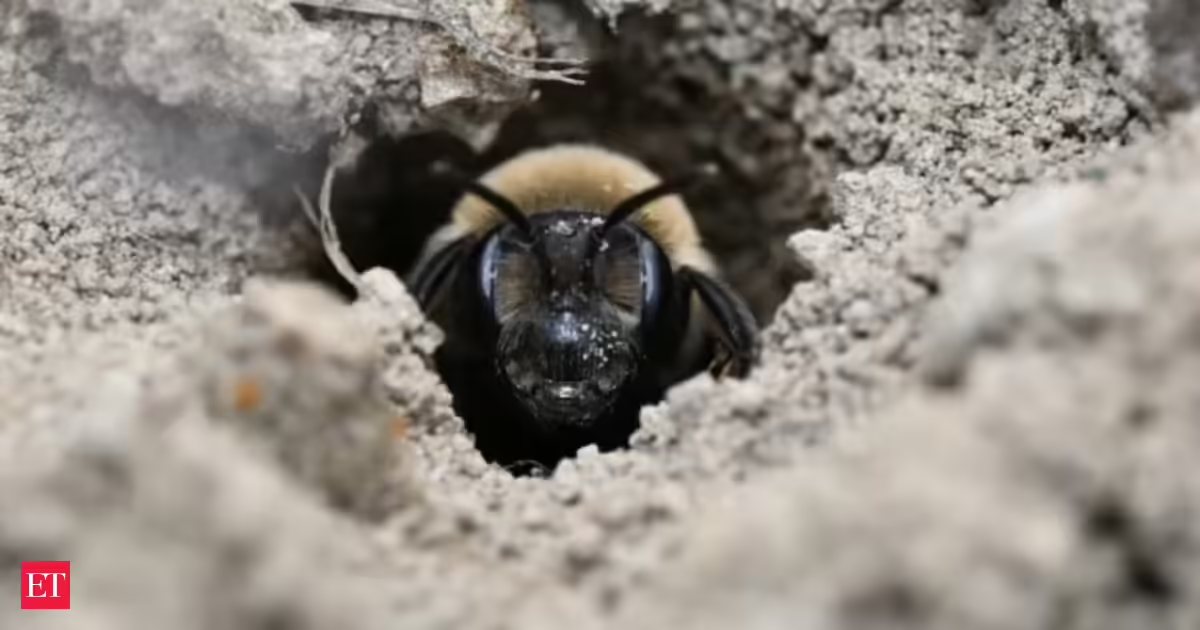
The ground shimmers with movement, as several hundred bees hover low in the spring sunshine. While each female maintains her own burrow – a neat, pencil-eraser-sized hole excavated in the bare, sun-warmed soil – they’ve gathered here in a dense aggregation, turning this modest patch into a bustling settlement.
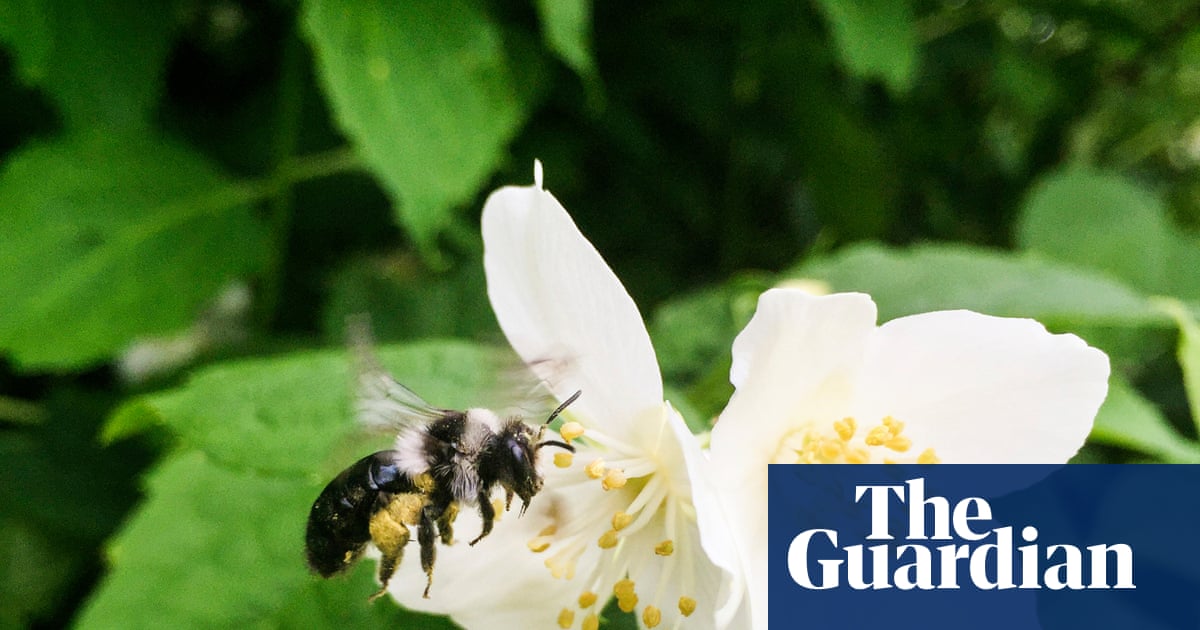
While the females are striking with their glossy, hairless black abdomens and fuzzy black‑and-ash-grey humbug-striped thoraxes, it is the smaller, hairier, white‑moustachioed males that draw the eye. They spend their short lives patrolling the airspace a few inches above the grass, holding position as they wait for females to emerge. Their flight has a strange rhythm – it looks as if each insect is tethered to a point below by an elastic thread. There is a steady oscillation of bodies rising and falling. When a female appears, the calm breaks. Several males converge at once, grappling for the chance to mate; one grabs her midair, and the pair tumble to the ground in a brief coupling.