Feuding parties and crumbling public services damaging public’s faith in Stormont, 28 years on from Good Friday agreement
The Good Friday agreement appeared over Northern Ireland like a sunburst – a miracle of political leadership that consigned the Troubles to history.
Signed on 10 April 1998, it ushered in an era of peace that endures and is held up as a model for resolving conflicts around the world. Yet Northern Ireland will mark the agreement’s 28th anniversary on Friday with gloom.
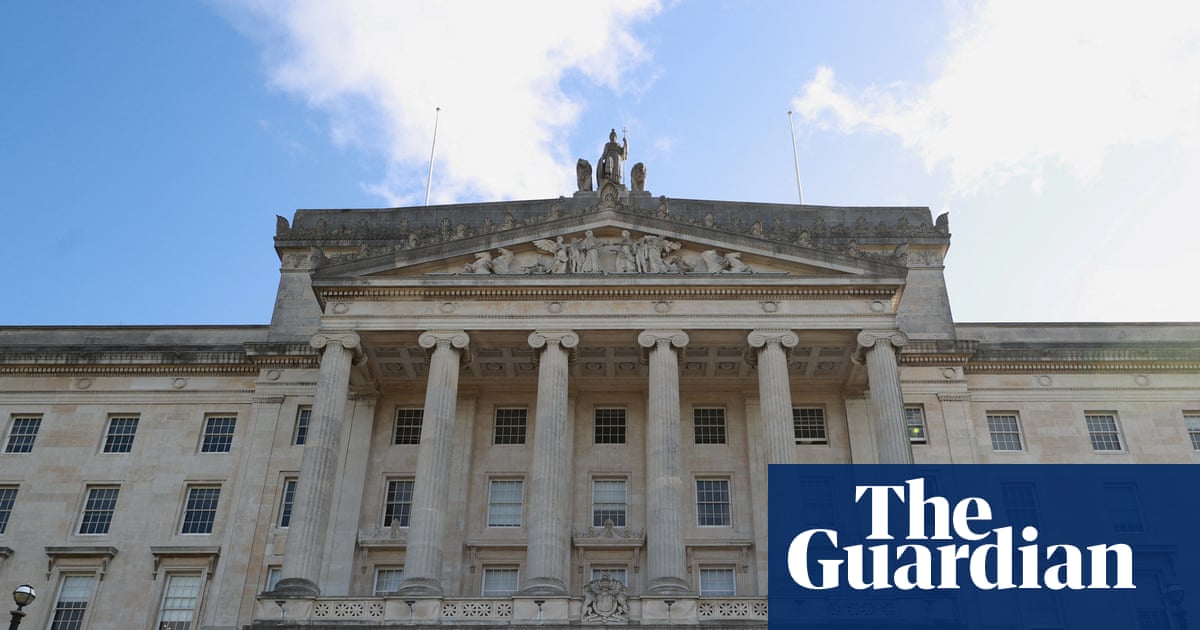
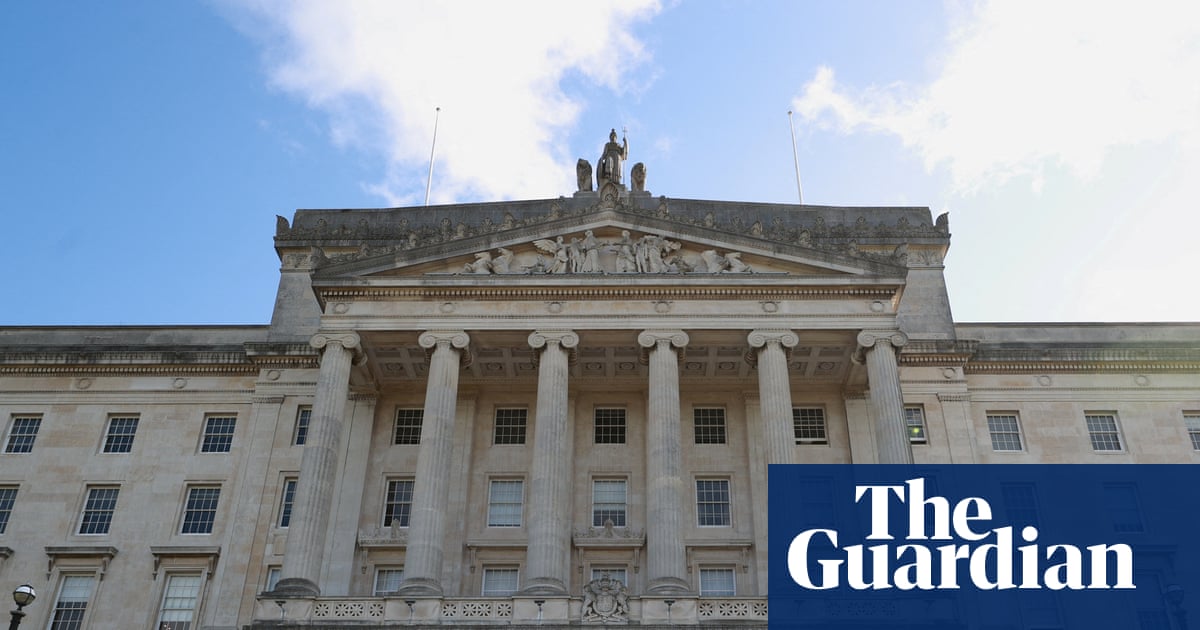
There is gratitude that the shootings and bombings are no more – but also disenchantment – verging on despair – with politics. The Stormont estate outside Belfast that hosts the region’s executive and assembly has become synonymous with dysfunction.
The power-sharing coalition’s principal parties, Sinn Féin and the Democratic Unionist party (DUP), are locked in chronic feuding that has severely hindered legislation and governance, creating a perception of drift and neglect. An opinion poll in January found that only one in four people believed the devolved government had improved their lives.