https://arab.news/r7d6v
One Saturday evening in March 1988, in my office at the Northern Ireland newspaper that I edited at the time, I was sitting with my news editor watching the TV news.
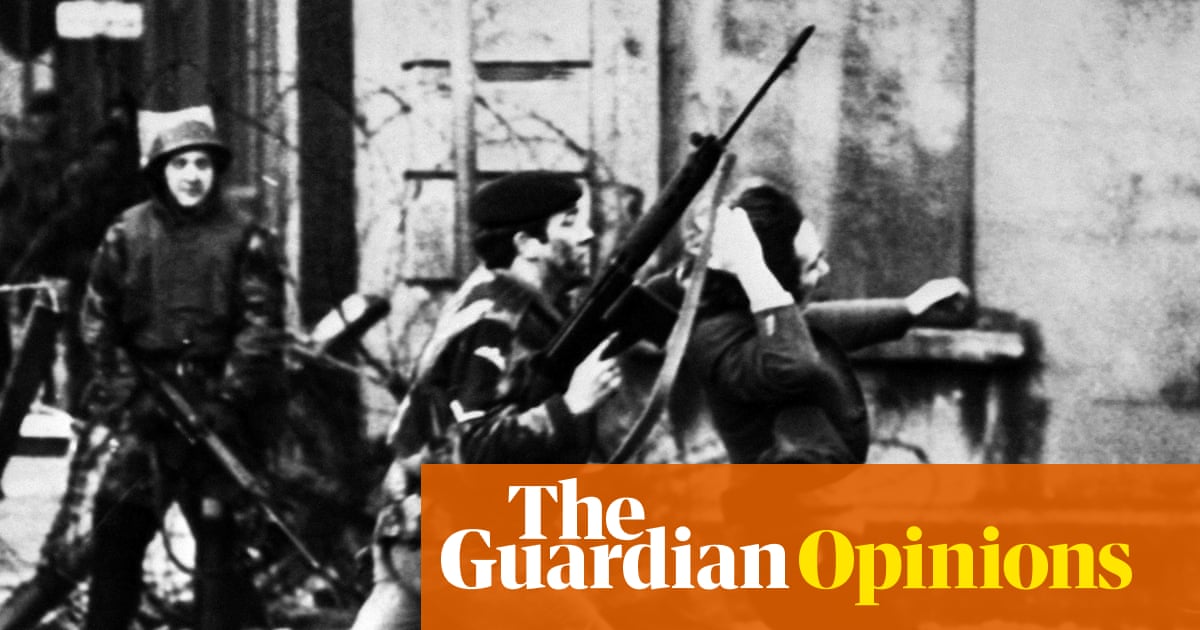
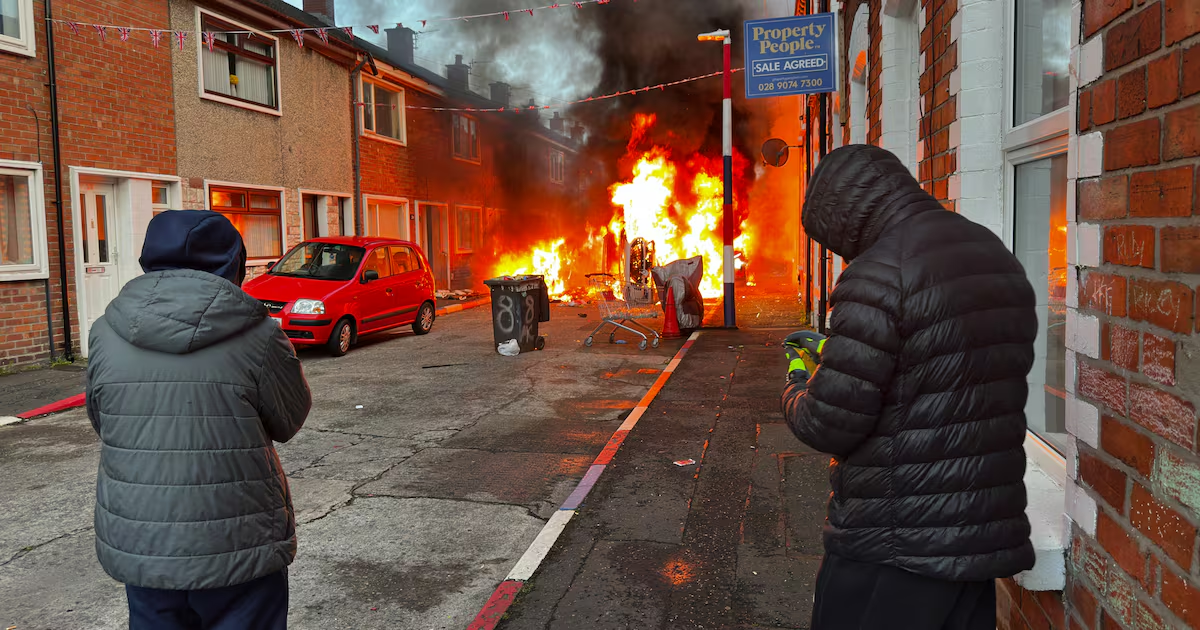
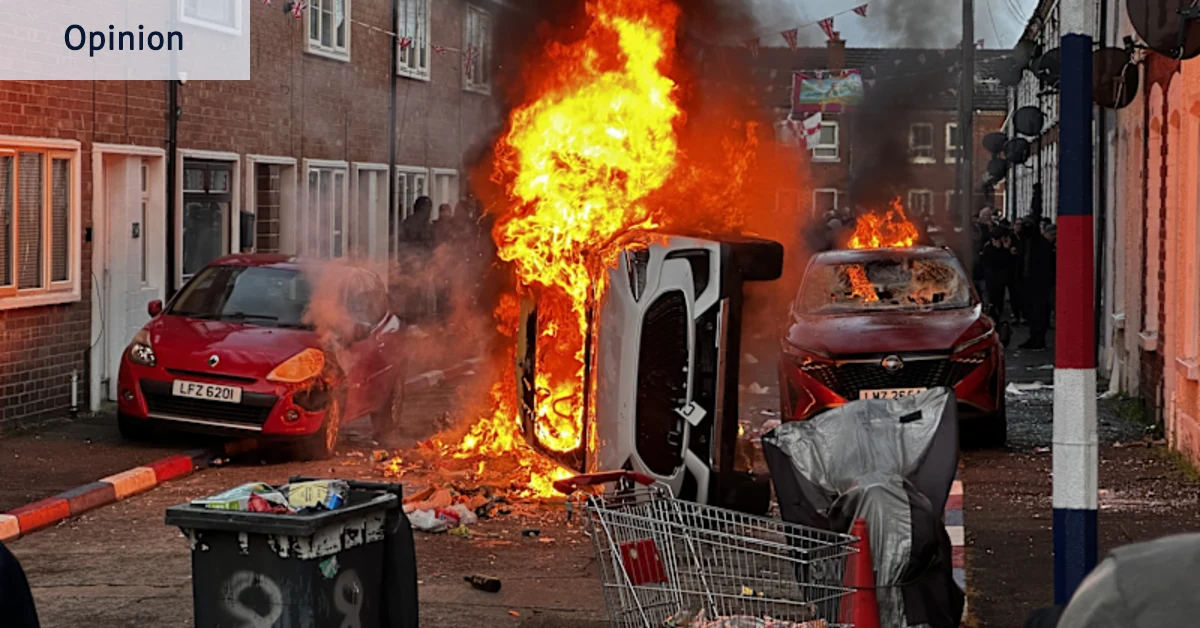
It was at the height of a 30-year period in Irish history euphemistically known as “the Troubles,” which had begun in the late 1960s with civil rights marches in protest at systemic discrimination against the minority Catholic and nationalist population by the Protestant and unionist majority and the local government. It later morphed into a full-blown civil war that pitched the militant Irish Republican Army and various offshoots against the (mostly unionist) police, loyalist paramilitaries and the British army.
That day, March 19, had been an eventful one and we were not short of content for the following day’s edition. At the funeral of an IRA fighter in West Belfast, attended by thousands of sympathetic mourners, two off-duty British army corporals in civilian clothes had been identified as such when, apparently unaware that the funeral was taking place, they drove by accident almost head-on into the procession. Their unmasking in a staunchly republican area was in itself a death sentence — but even by Northern Ireland standards, the manner of their deaths was horrific.