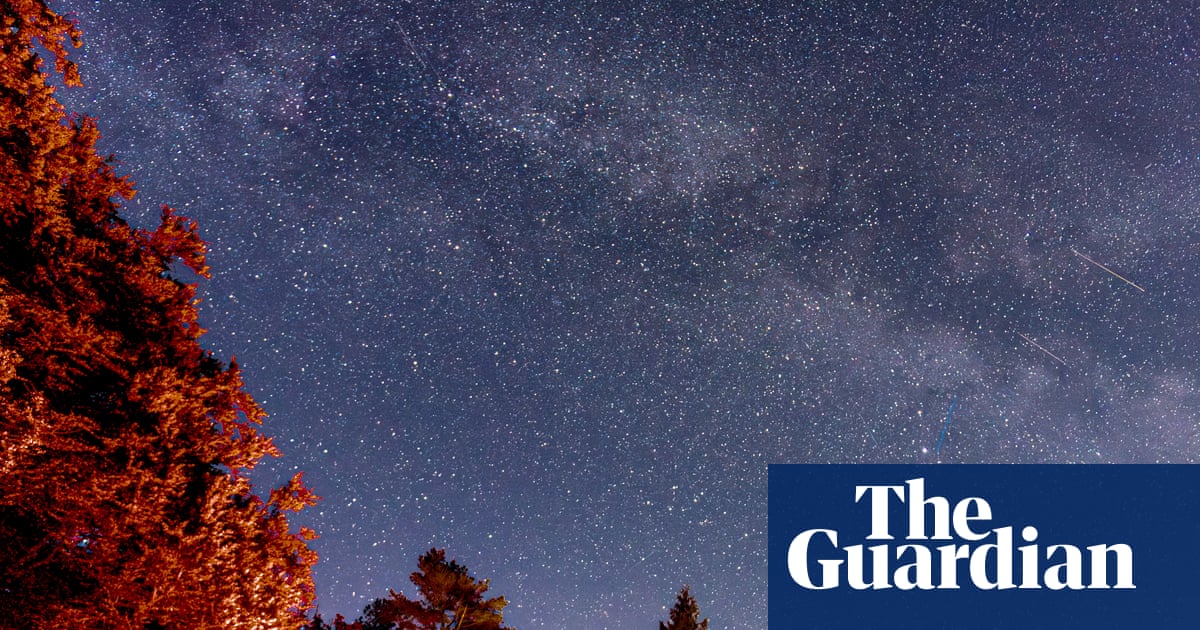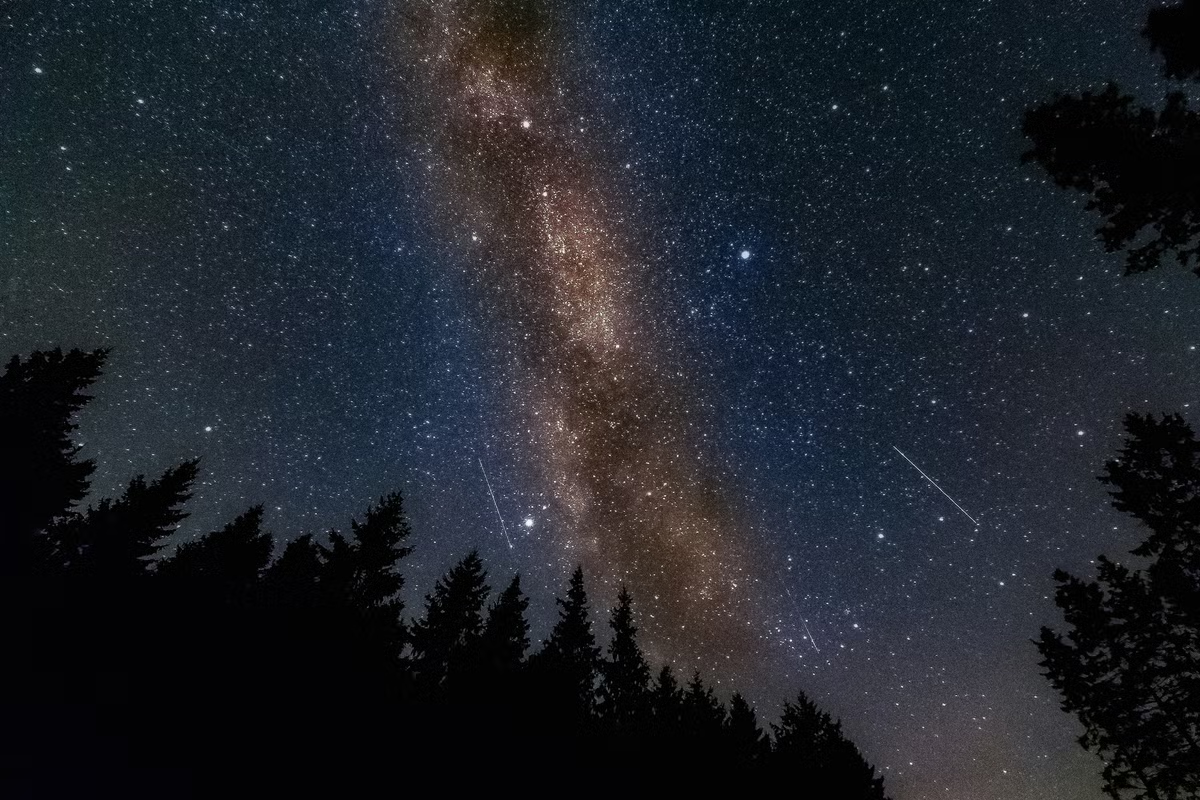
England’s largest forest has an aura reminiscent of parts of Canada or Finland. This year it celebrates its centenary with new trails and dark sky events
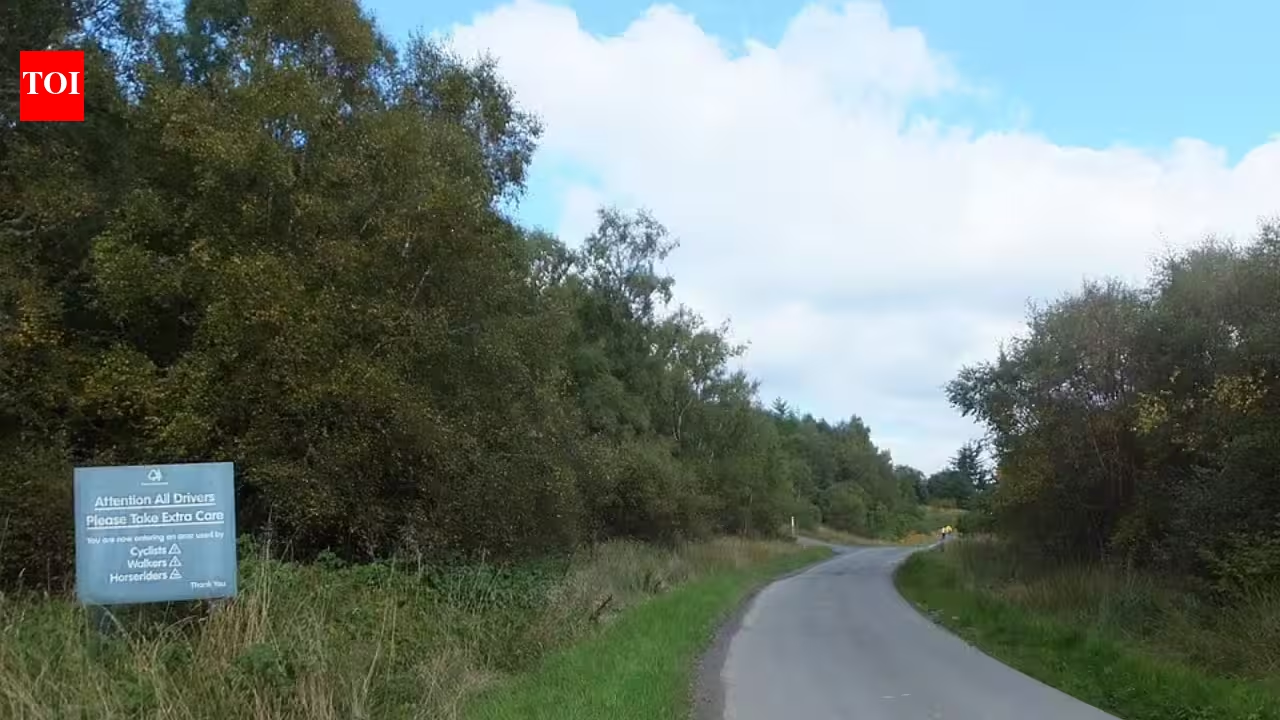
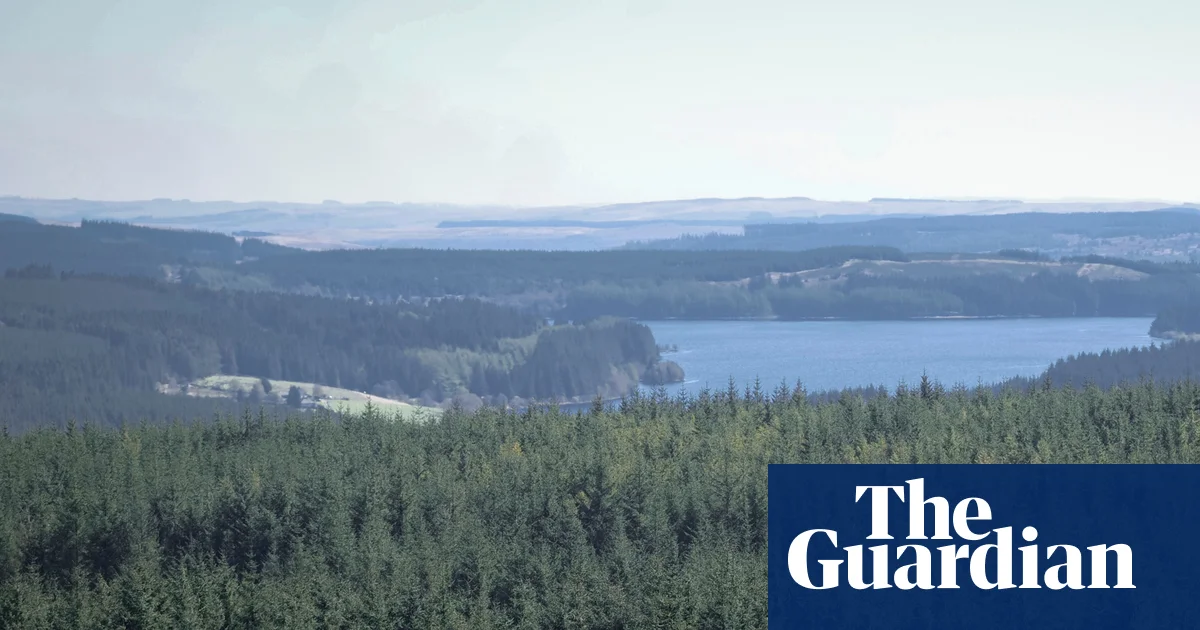
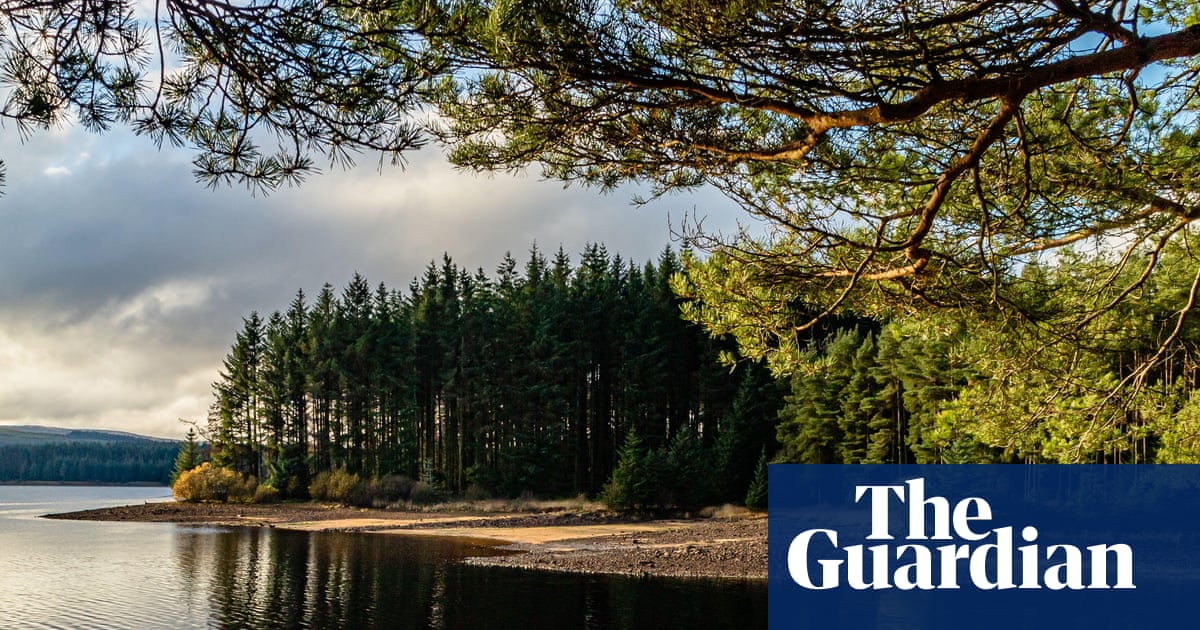
eep in Kielder Forest, on the northern side of the vast Kielder Water stands Silvas Capitalis, a giant, two-storey timber head, one of the most striking of the 20 sculptures tucked between the pines. It’s an eerie sight, almost shocking; its mouth ajar, as if astounded by all it sees. It’s my first visit to Kielder, and my face has been wearing a similar expression since I stepped out of the car at the lakeside trying to take in the scale of the landscapes unfolding around me.
Kielder doesn’t look like England – at least, not the England I know. For a start, it’s vast; 250 sq miles (648 sq km), with 158m trees, mostly sitka spruce conifers planted by hand. And even though it’s a plantation, there’s a wilderness feel that reminds me of Finland or Canada; a great swathe of nature at its most intense. It’s a working forest, involving 500 full-time jobs (not including tourism) and 2026 marks the centenary of the very first plantings, when the UK was in need of timber reserves after the demands of the first world war.
The desolate moorland around Kielder Castle had been identified as a suitable site for a new forest by Roy Robinson, who was instrumental in the creation of the Forestry Commission in 1919. “He was a visionary,” says Alex MacLennan, part of the Kielder team for more than 20 years. “It was hard farming country, but perfect for forestry. Originally, there were eight villages planned, to house the timber workers. But three decades later, when the first trees were ready to be felled, mechanisation and new tools such as chainsaws meant they only needed three.”