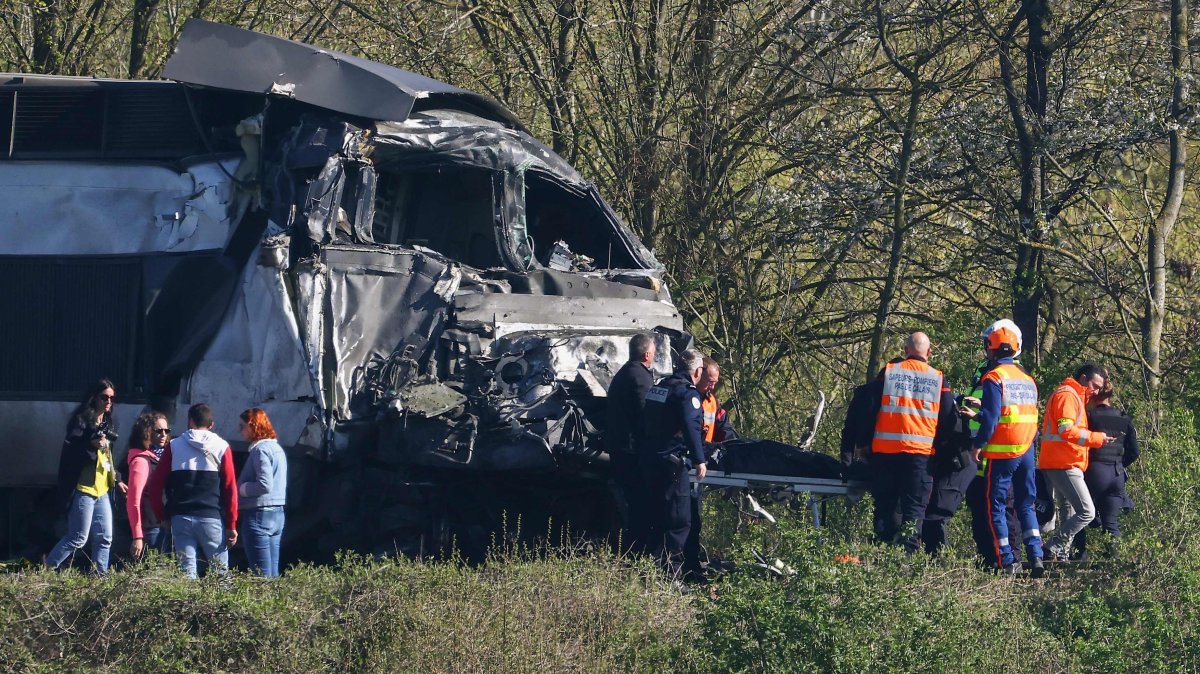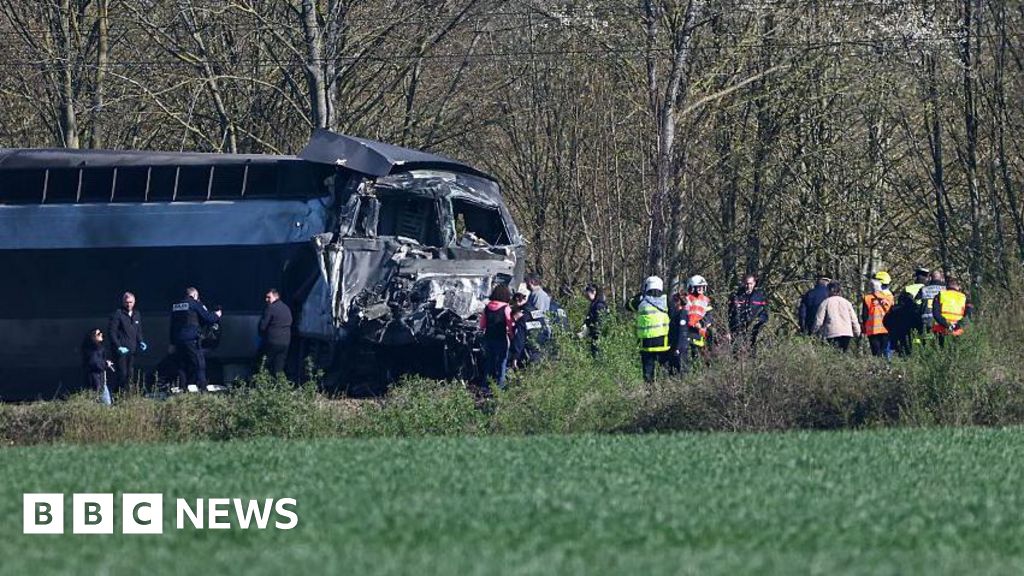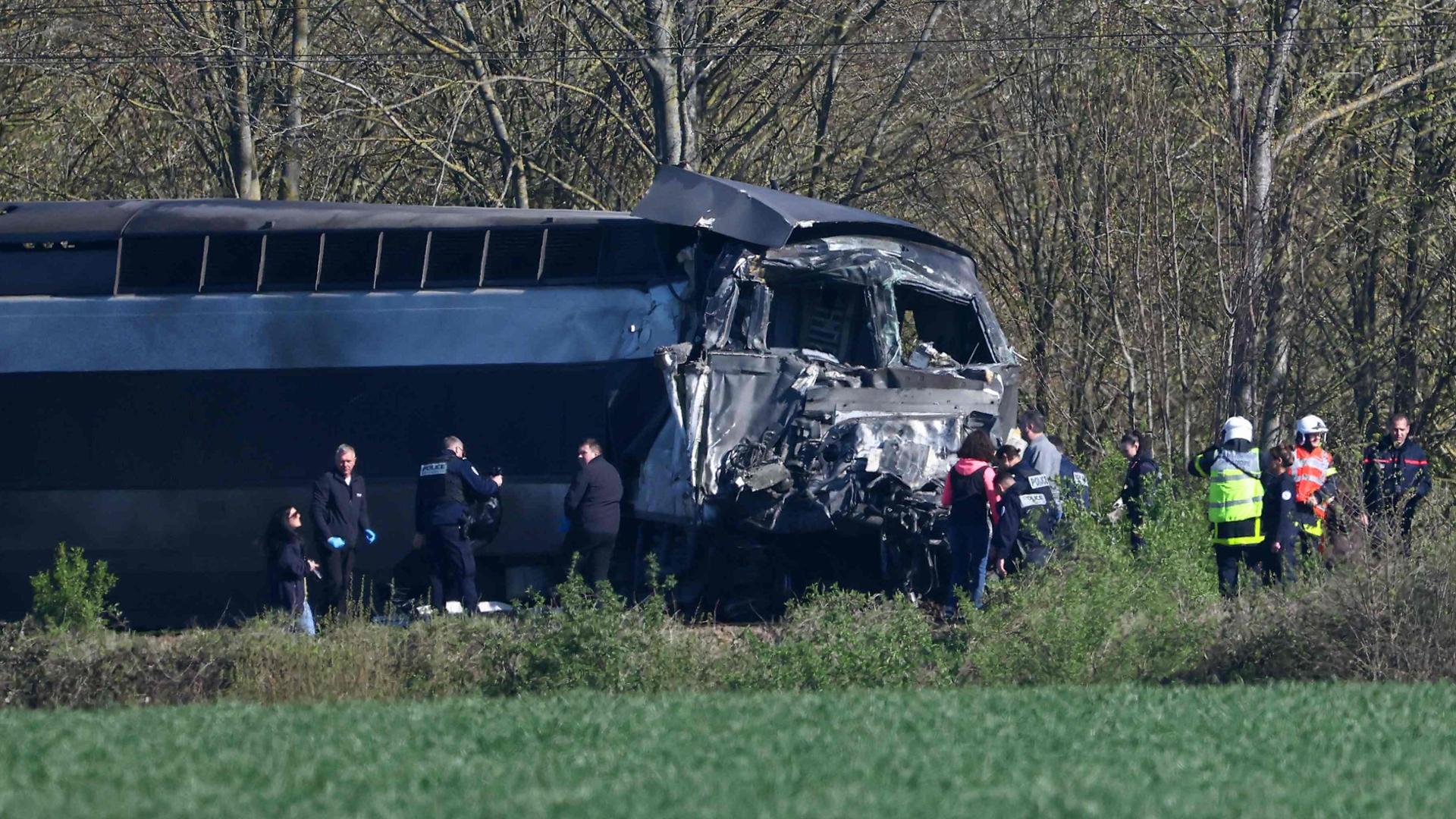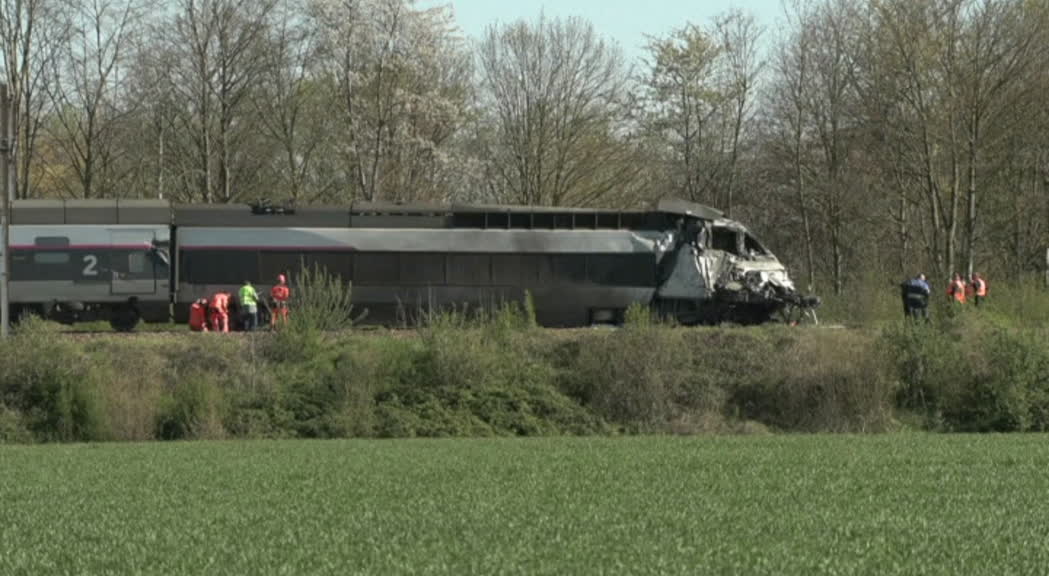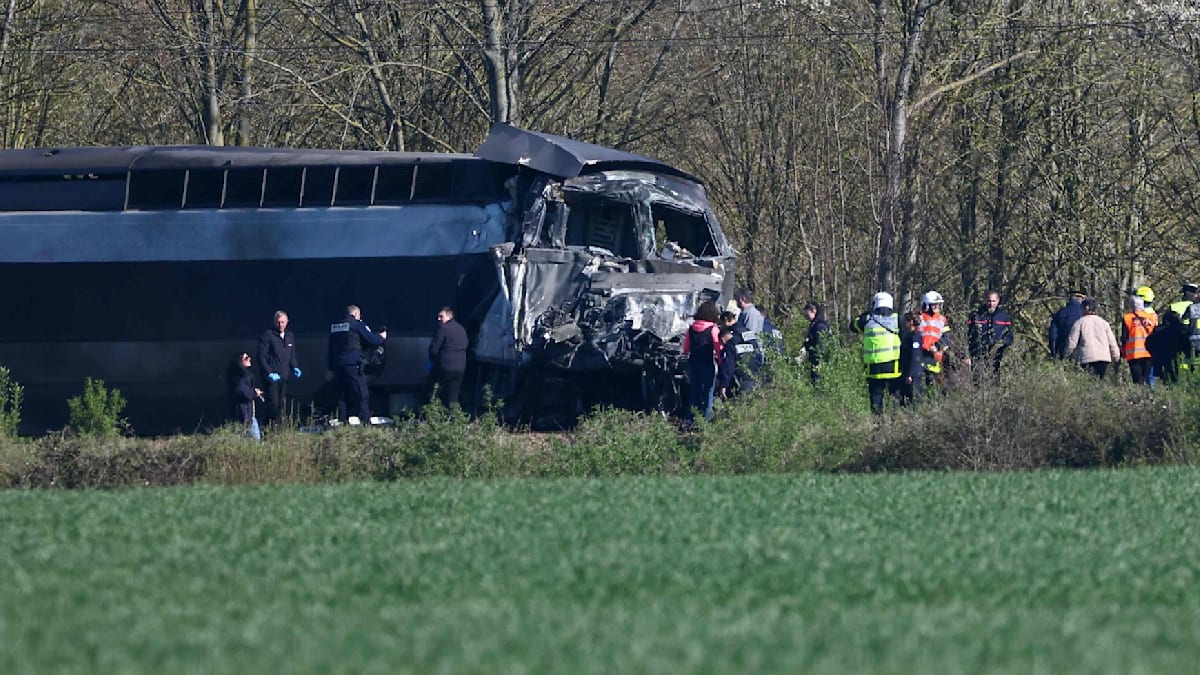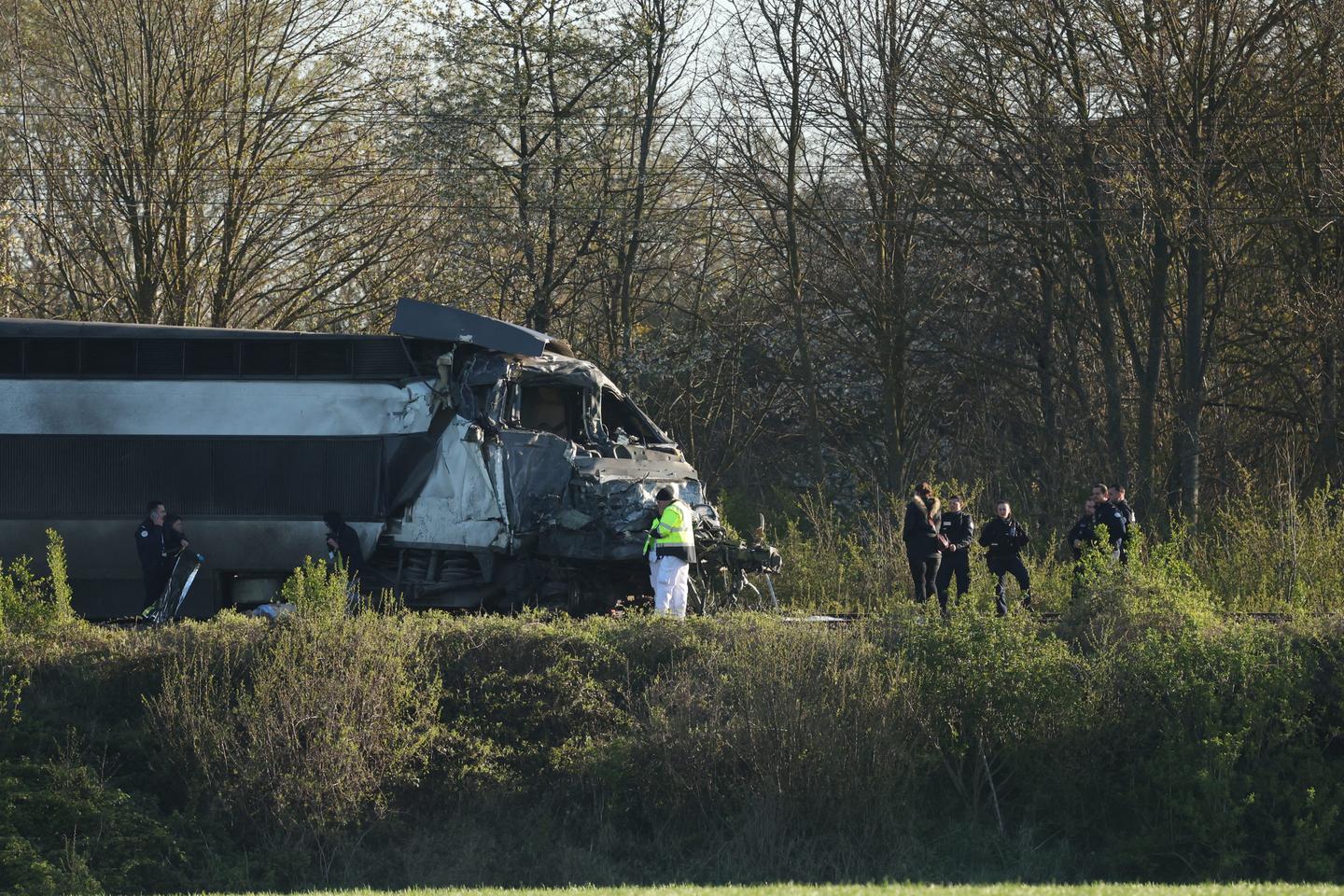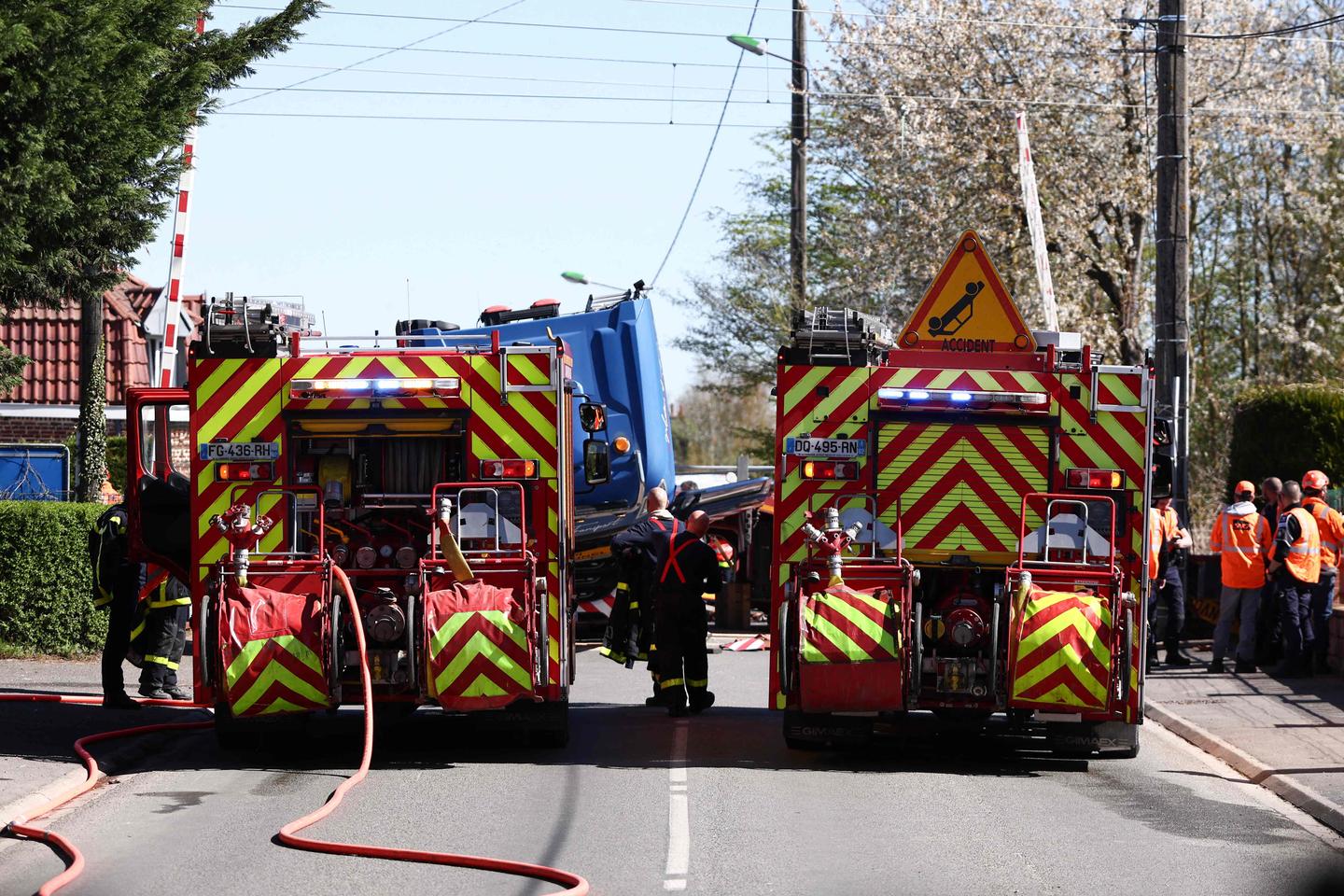
Firefighters and police evacuate a person from the TGV high-speed train after its collision with the trailer of an oversized convoy in Bully-les-Mines (Pas-de-Calais) on April 7, 2026. SAMEER AL-DOUMY/AFP
It was just before 7 am on Tuesday, April 7, when the TGV high-speed train, number 7304, traveling from Dunkirk to Paris, struck the trailer of an oversized convoy at railway crossing number 96 in Bully-les-Mines, a French town in northern Pas-de-Calais. The train driver, killed instantly. This experienced railway worker, a father of four, was set to retire this summer. Among the train's 246 passengers, only around 10 people suffered minor injuries; all were physically out of danger but deeply shaken by the accident.
All that remains of the engine is a mass of twisted metal, bearing witness to the force of the impact. From Dunkirk to Arras, TGVs run on conventional tracks before joining the high-speed line to Paris, where they reach speeds of over 300 kilometers per hour (km/h). But on this "stretch of line," as it is known in railway jargon, the train was traveling at 131 km/h, below the authorized speed (140 km/h). Yet the driver could do nothing to avoid the truck, which had entered the railway crossing.