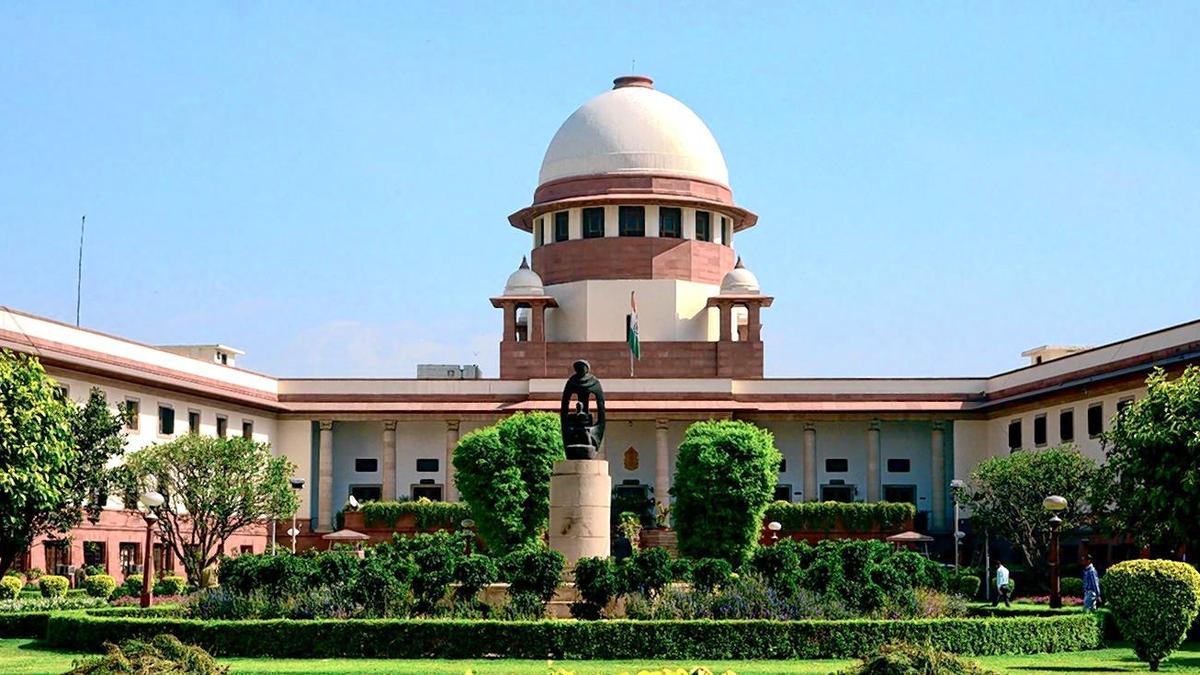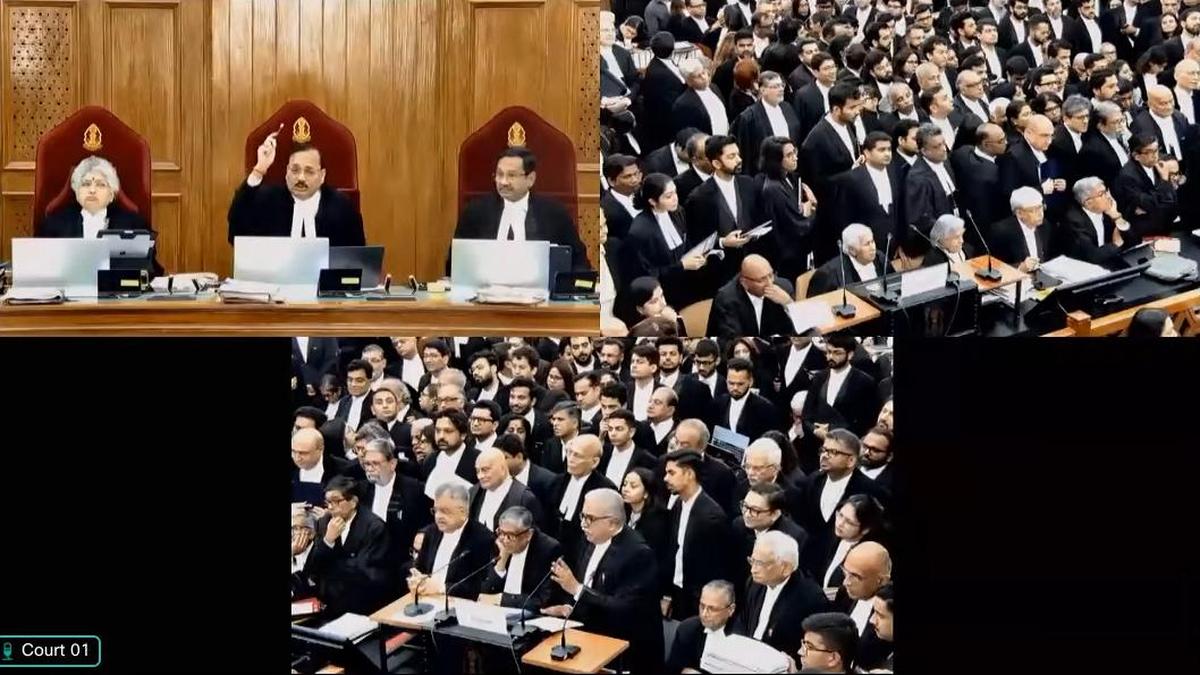
Women cannot be treated as ‘untouchables’ selectively for three days a month, the Supreme Court observed on Tuesday (April 7, 2026).
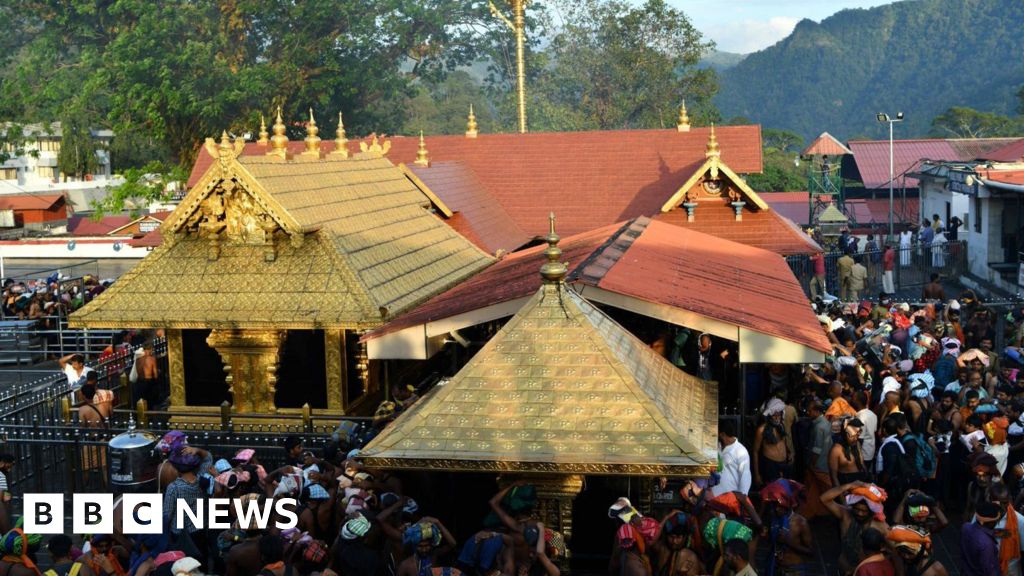
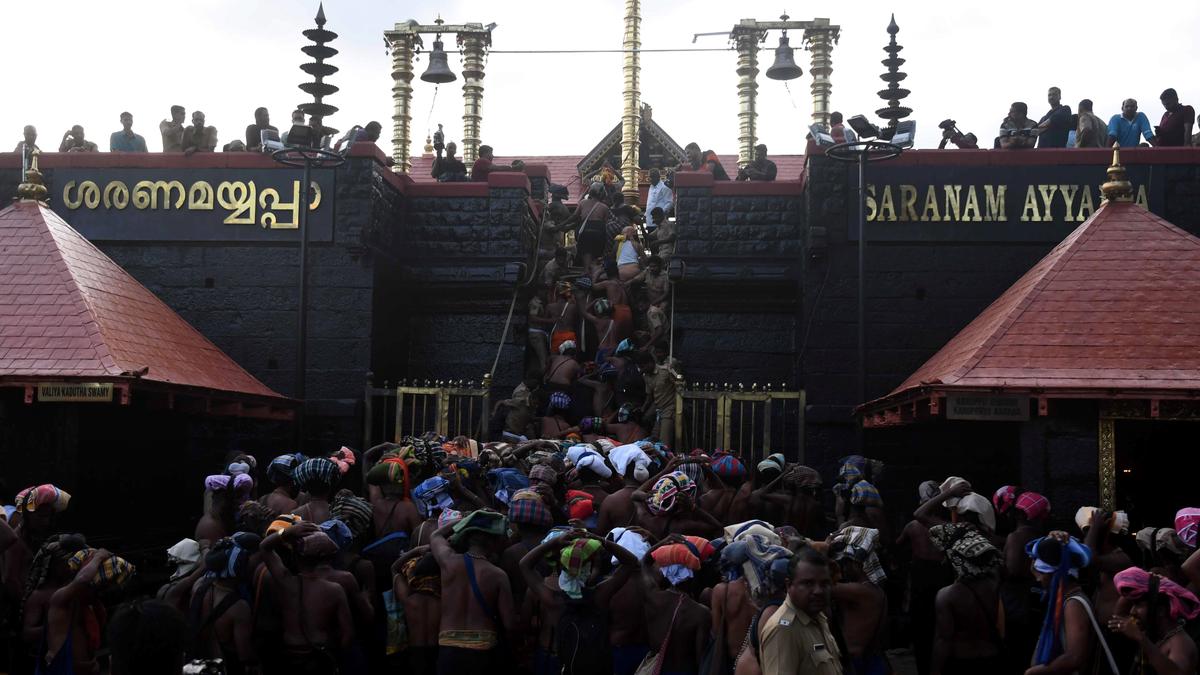
Justice B.V. Nagarathna’s remarks came against the backdrop of submissions referring to the erstwhile prohibition on menstruating women, barring them from entry into the Sabarimala temple. A 2018 judgment by the Supreme Court had lifted the centuries’ old prohibition on entry to the famed Kerala shrine by women in the years between menarche and menopause. The court had said the prohibition reduced freedom of religion to a “dead letter” and was a smear on the individual dignity of women.
Sabarimala review: A strict definition of ‘denomination’, ‘essential religious practices’ will compress plural and diverse Hinduism, Centre tells SC
“Speaking as a woman, I can say there cannot be untouchability practised for three days every month, and no untouchability on the fourth day. Let us go by hard realities. Speaking as a woman, Article 17 (abolition of untouchability) cannot apply for three days and on the fourth day there is no untouchability,” Justice Nagarathna emphasised while addressing the Union government, represented by Solicitor General Tushar Mehta.
SC likened Sabarimala prohibition to untouchability