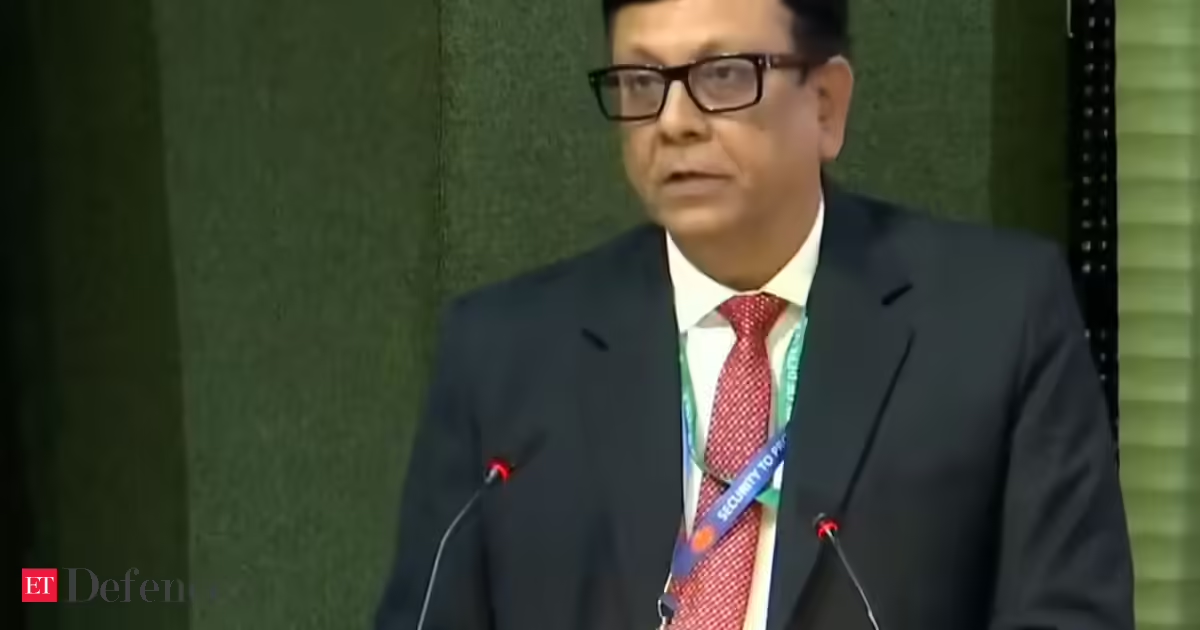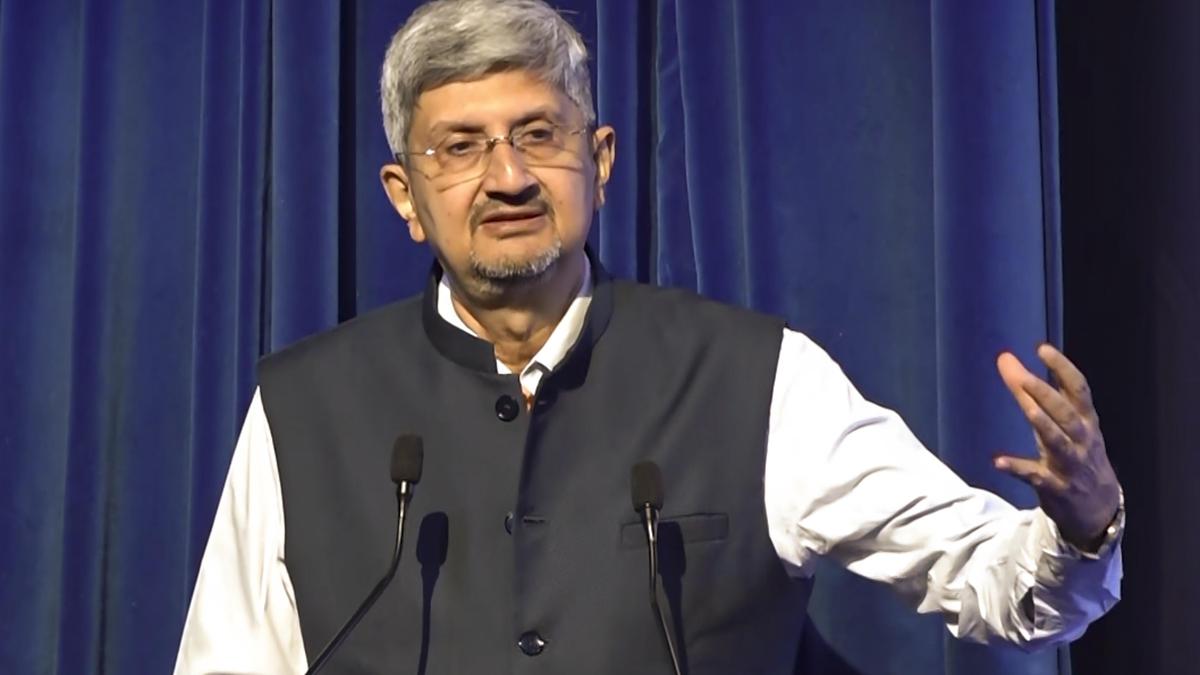
The chief of the Defence Research and Development Organisation (DRDO), Samir V Kamat, on Tuesday (April 7, 2026) called for a reduction in the development cycle of critical materials — from the current 10–15 years — to keep pace with rapidly evolving defence technologies and to strengthen India’s technological capabilities.
Addressing the CAPS–IMR Joint Seminar at Subroto Park, Kamat emphasised that materials are “key enablers” for advanced systems, weapons, and sensors. He noted that while system development cycles have shrunk to around five years — and even shorter in fast-evolving domains like drones — the prolonged timeline for material development poses a major bottleneck. “Unless material development keeps pace, integrating new materials into systems will become increasingly challenging,” he said.
Highlighting the gap between research and industrial application, Kamat pointed out that although significant work is carried out in DRDO laboratories and academic institutions, very few innovations successfully transition to large-scale production. He stressed the need to address challenges related to scalability, investment, and manufacturing.
Calling for greater self-reliance, Kamat cautioned against dependence on foreign technologies. “Critical technologies are often shared only after they have been fully used by others,” he said, underlining the importance of indigenous capability development to achieve ‘Aatmanirbharta’ and global technological leadership.