RIYADH: Wars test the resilience of economies. While the US faced a 30 percent increase in gasoline prices, Egypt was forced to reduce working hours and close shops early to conserve electricity, and developing countries suffered from disruptions in fertilizer supplies, threatening their food security.
As the severity of these crises varies, ranging from supply chain disruptions to rising costs, questions arise about Saudi Arabia’s position under these exceptional circumstances.
Ihsan Buhulaiga, founder of the Joatha Consulting Center, told Al-Eqtisadiah: “With the war entering its sixth week, and the strikes continuing, the situation remains ambiguous and volatile, making it difficult to make a definitive assessment of its long-term outcomes.”
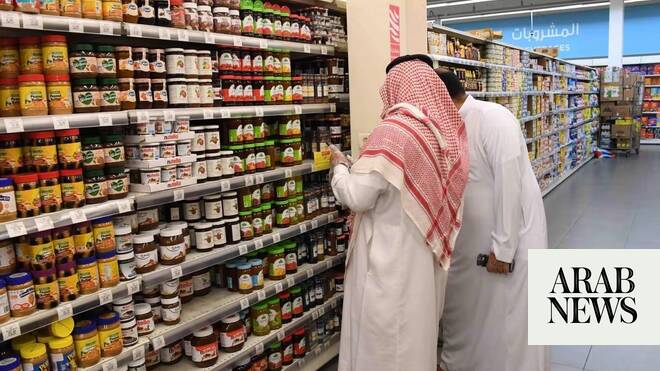
How does Saudi Arabia maintain price stability despite the war?
The world is confronting one of its most serious geopolitical crises in recent years after war erupted on Feb. 28 between the US and Israel and Iran, triggering retaliatory attacks by Tehran across Saudi Arabia and other Gulf Cooperation Council countries.