Hogshaw, Derbyshire: Our old Buxton tip is an area rich in nature. It’s depressing out local council wants it developed
O
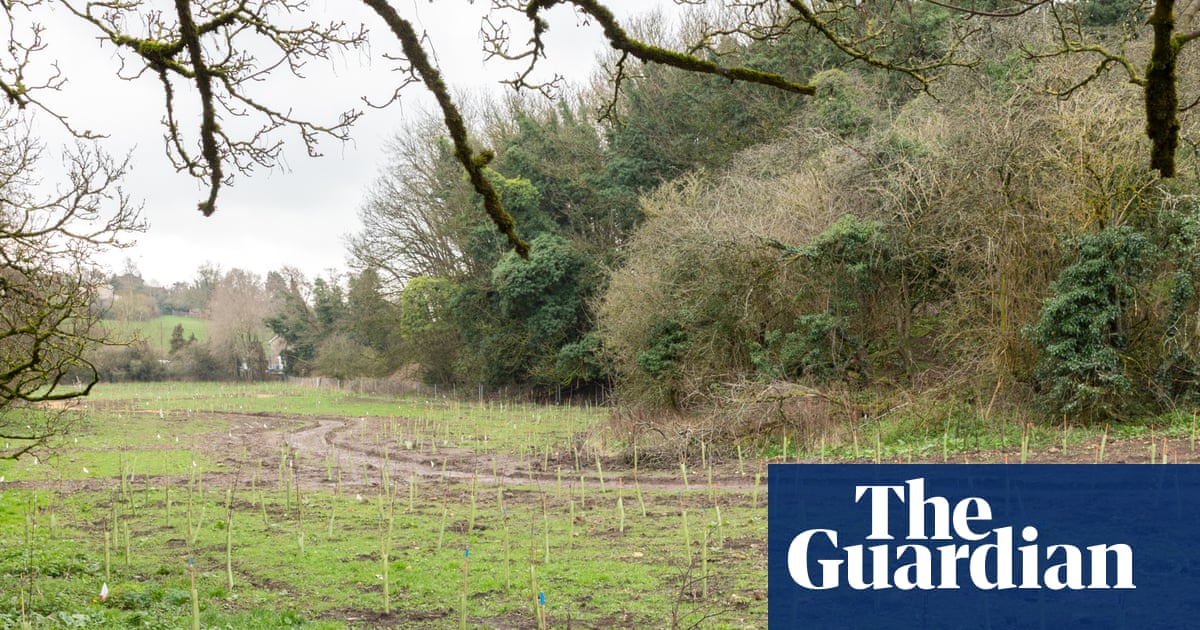
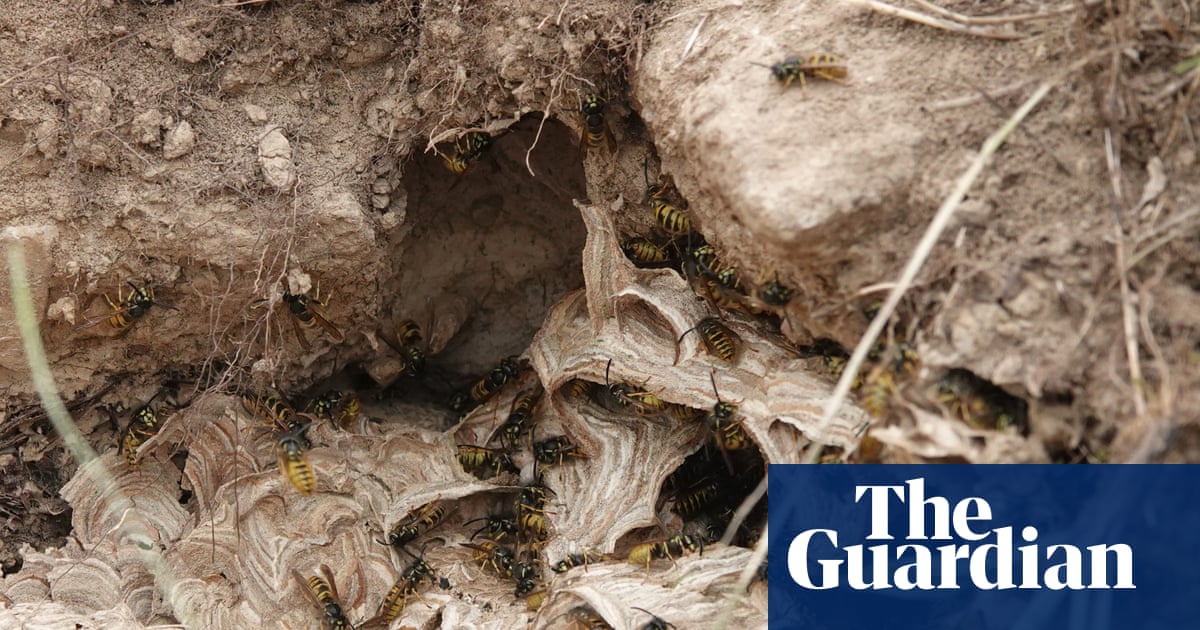
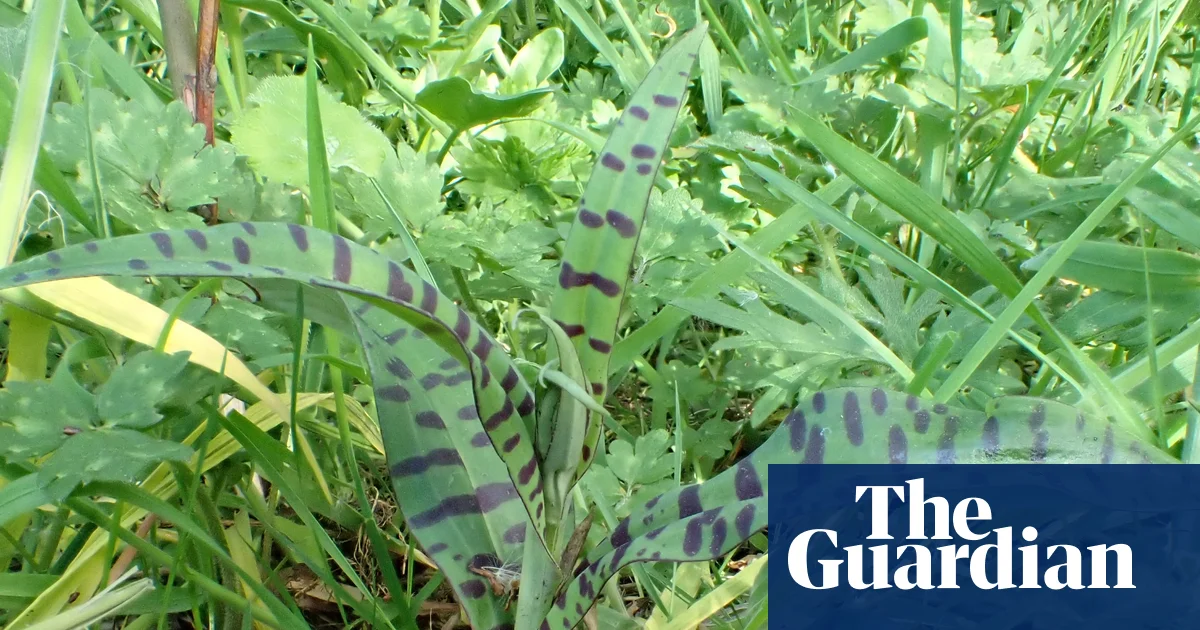
ur old Buxton tip might bear the scars of former abuse, but it’s now an entangled, self-willed wood, largely made up of willows and birch, which is surrounded by flowers in summer and has a species list of 870, composed mainly of insects. The diversity arises because these two pioneer trees are among the most invertebrate-friendly in our islands.
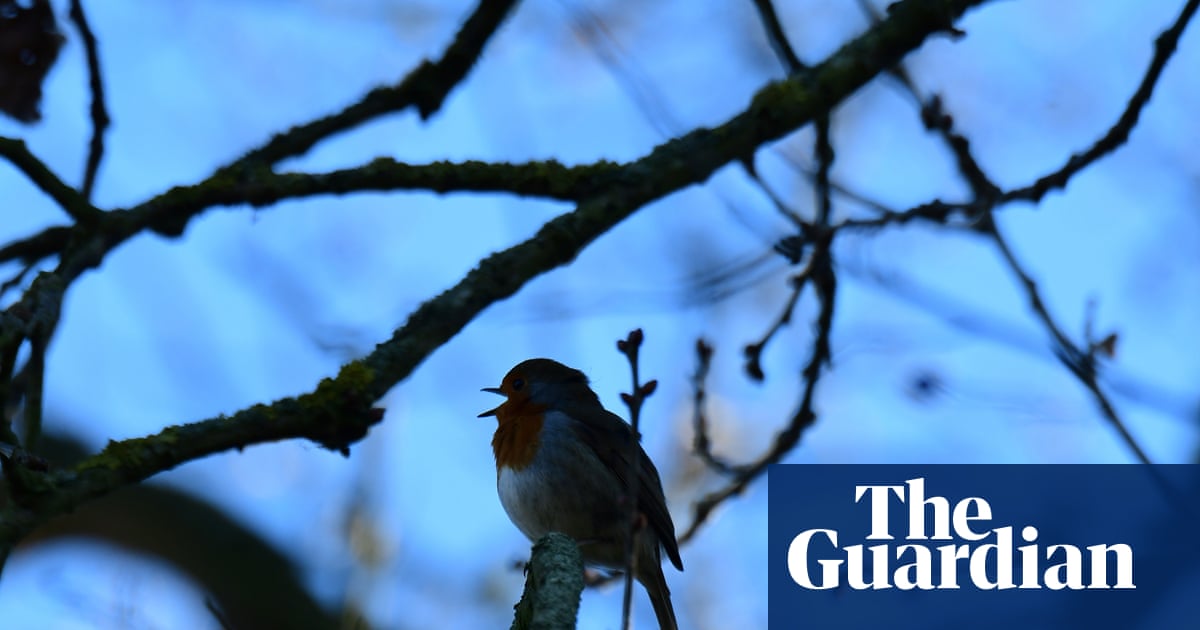
Where you find insect abundance, you’ll also hear birdsong, because the music is fuelled largely by invertebrate protein. Recently we organised a dawn-chorus walk and managed 20 early spring vocalists. Song and mistle thrushes, dunnocks and wrens, as well as bullfinches and greenfinches, were among the breeding birds we heard and which are red- or amber-listed by the British Trust for Ornithology.
In truth, “dawn chorus” is a tad misleading, as one of our group pointed out. He and his partner are badger monitors and they find the songs begin at 3.40am and are loudest around 4.30am, long before any light. The word “chorus”, meanwhile, might be accurate, but requires a little teasing out.