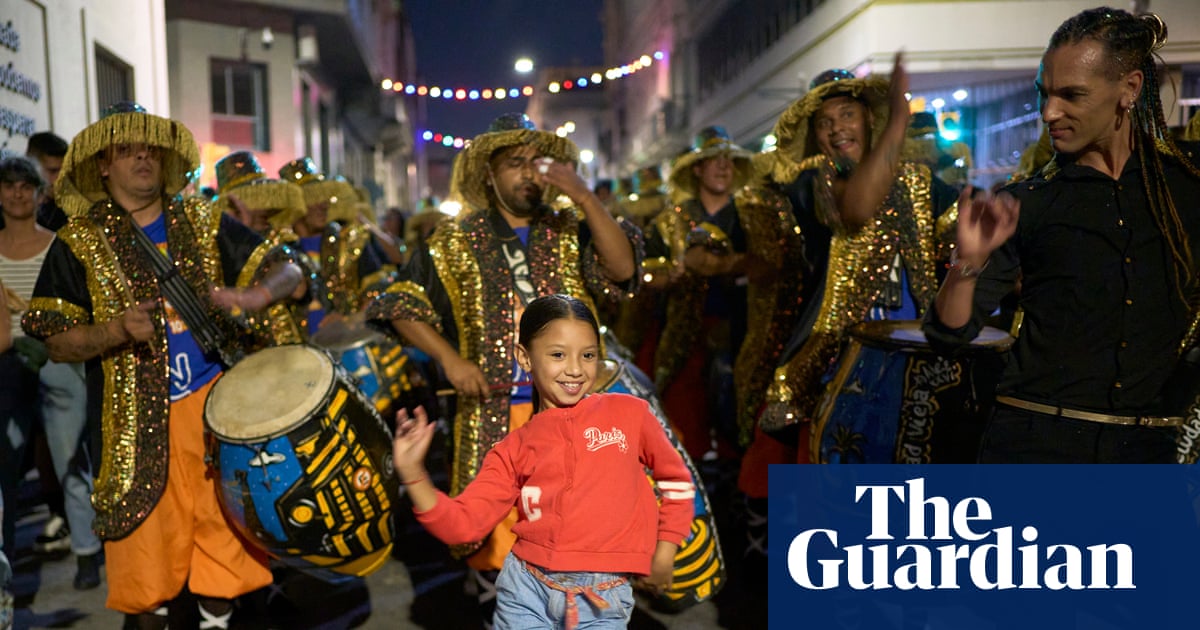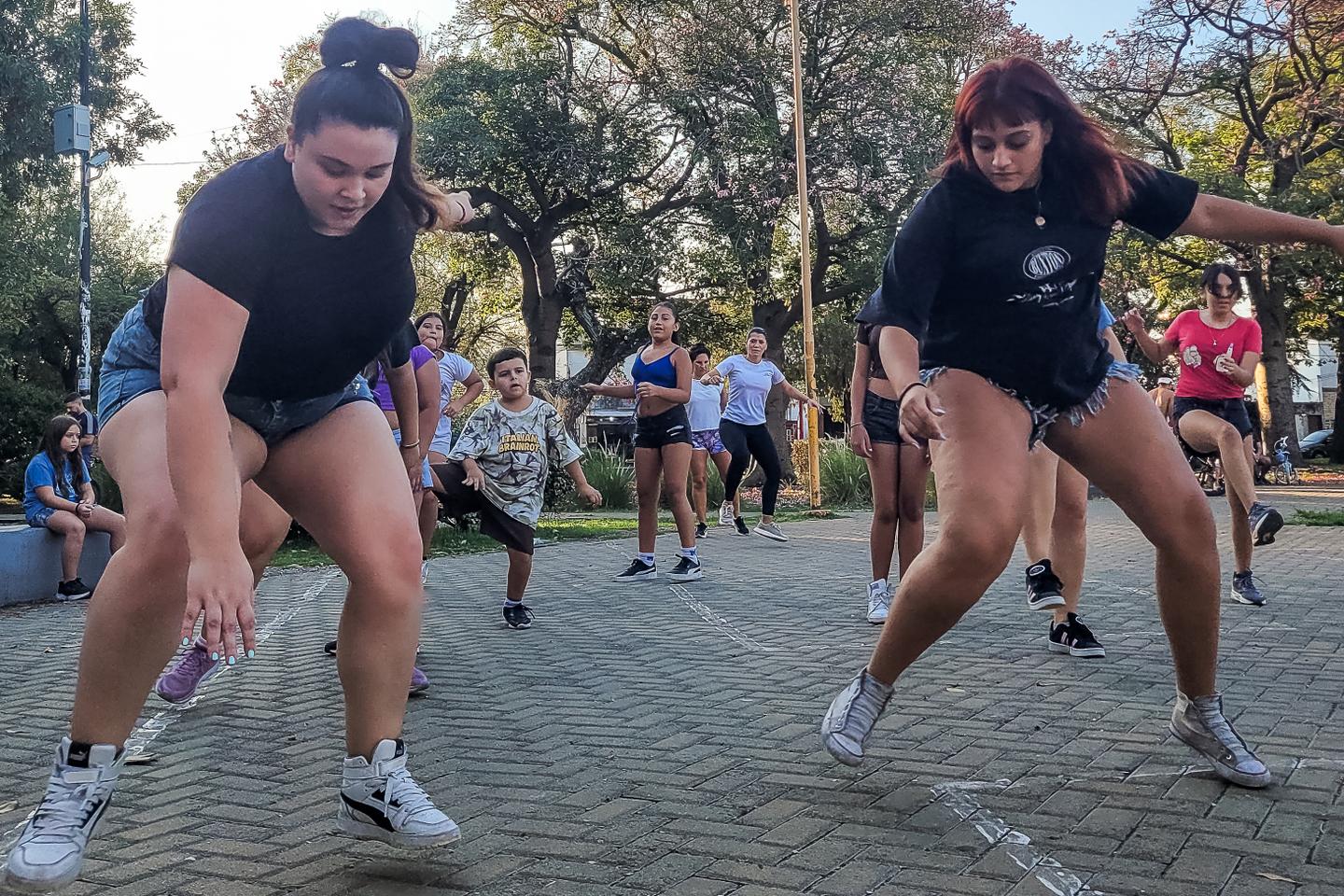
Lara Romero (left) rehearses with the murga 'Los piantaos por la alegria' ('The Joyful Crazies') at a square in Villa Bosch, in the Buenos Aires suburbs, March 29, 2026. FLORA GENOUX/ LE MONDE
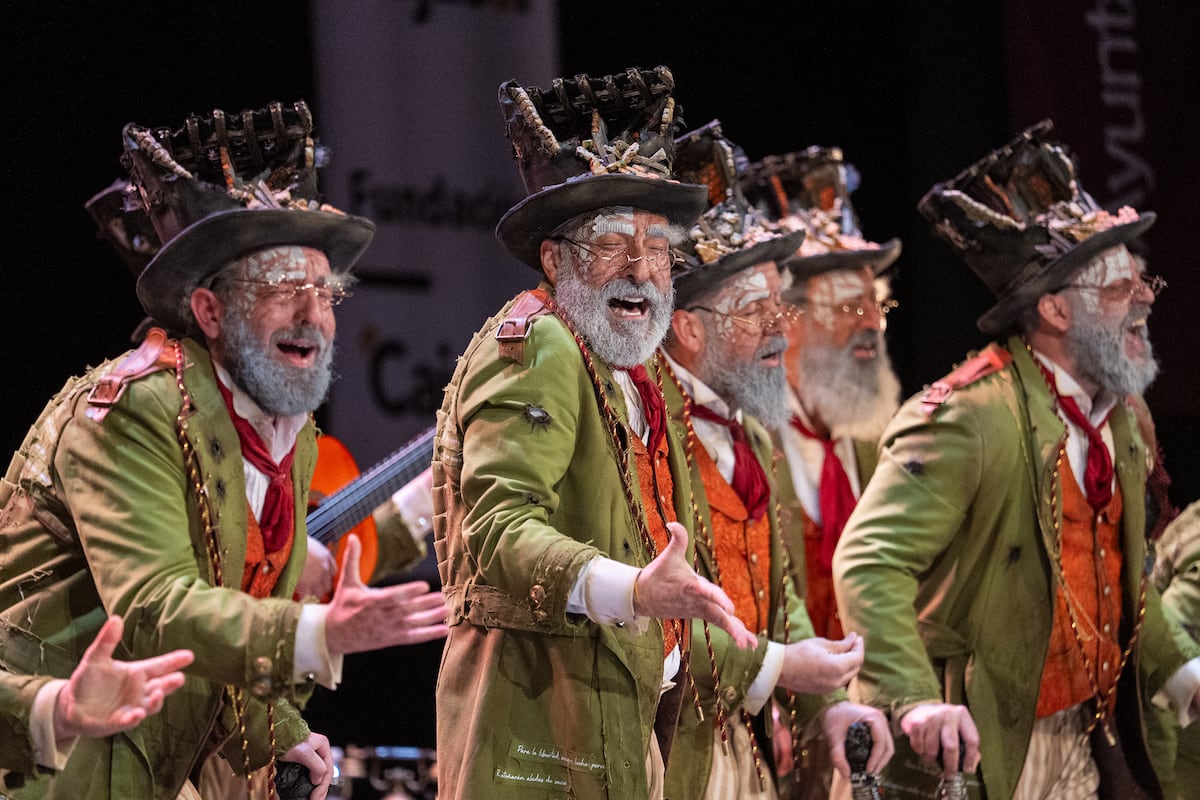
At a square in Villa Bosch in the Buenos Aires suburbs, the sleepy mood of a Sunday evening suddenly turned into a burst of joyful energy. Deep, persistent sounds from imposing drums mingled with the frantic clatter of cymbals. "We meet again / All sorrows will fade away," the singers intoned as about 15 dancers leaped and twirled. "What a joy to be here! When I dance, I feel like I'm flying," said a breathless Iara Romero, a 19-year-old student.
Murga, which refers to both a musical genre and a traditional ensemble – composed of percussionists, singers and dancers – has its biggest moment of the year during Carnival, which takes place throughout February. But the murga continues all year, with frequent rehearsals and social connections that go far beyond its artistic and festive dimension. In an Argentina battered by crises, the murga stands for joy: solidarity, powerful intergenerational bonds, grassroots self-management in the face of a failing state and a tradition of social struggle.
You have 79.66% of this article left to read. The rest is for subscribers only.