Philanthropy increases the gap dividing highly selective, elite higher education from the rest. Ministers need a plan for the sector overall
A
bout 2% of UK universities’ income came from donations and endowments in 2024-25 – slightly less than the previous year. At a time when charitable giving overall is down, the announcement last week of a record £190m donation to the University of Cambridge deserves to be welcomed. Higher education funding should not depend on the choices of rich individuals. But education is a social good and philanthropy has a role to play.
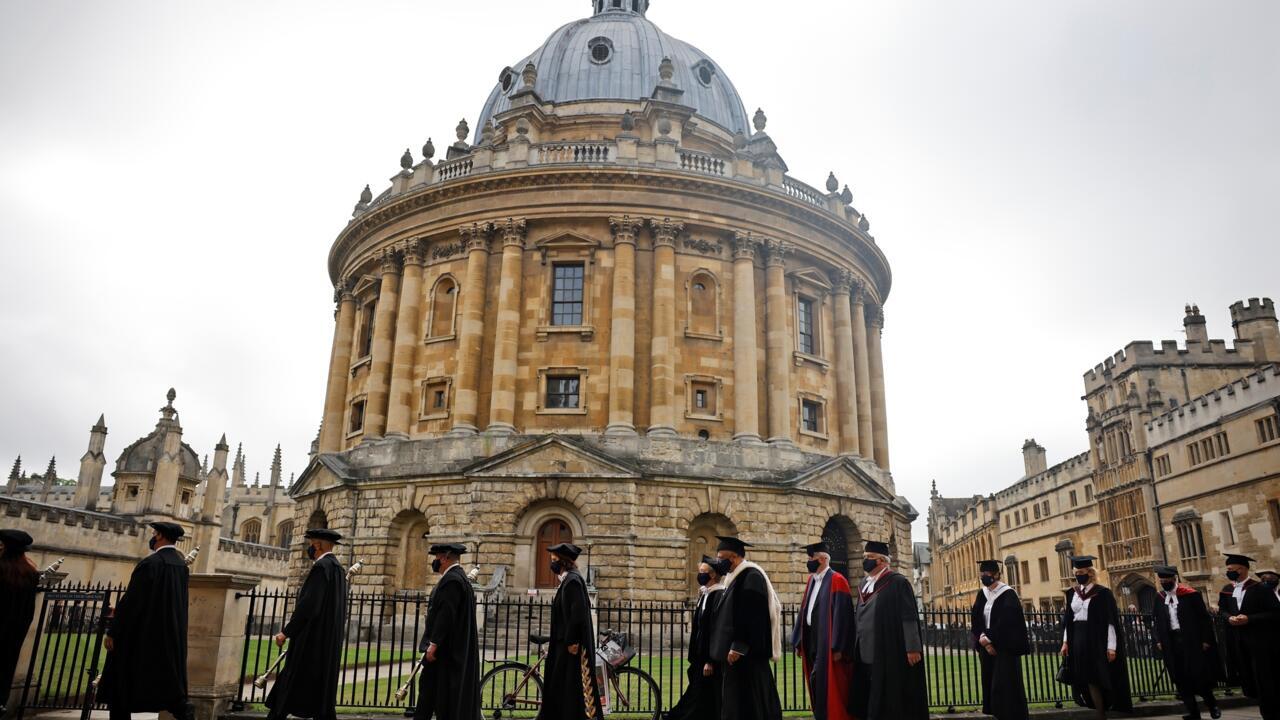
The donor is Chris Rokos, a British billionaire hedge fund manager who describes himself as a socially liberal centrist and has previously given money to the Conservative party. The money will fund a postgraduate school of government that is intended to rival the one at Oxford, which was controversially funded by, and named after, the Ukrainian-born billionaire Sir Leonard Blavatnik.
The UK’s two richest universities already attract a disproportionate share of educational philanthropy. It is less than a year since they announced a £6.5m gift to be shared between them. The other institutions that attract the biggest donations are in London, while Manchester has had success with a campaign launched to mark its bicentenary. But overall, huge disparities in fundraising serve to increase the gap that already divides the oldest and most selective institutions from the rest.