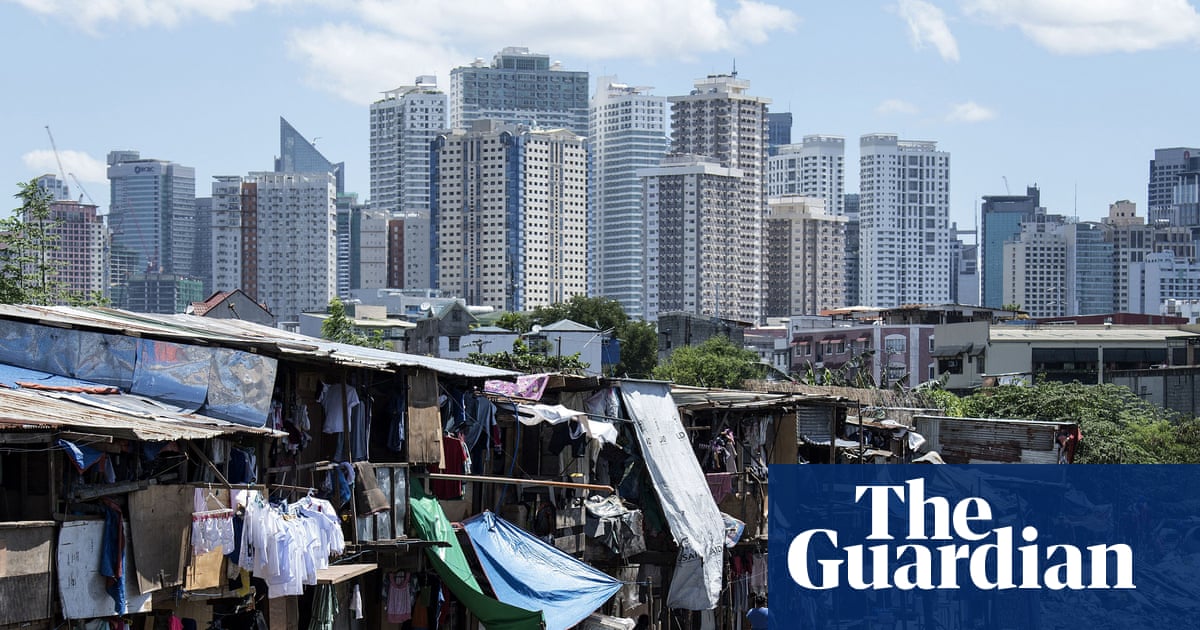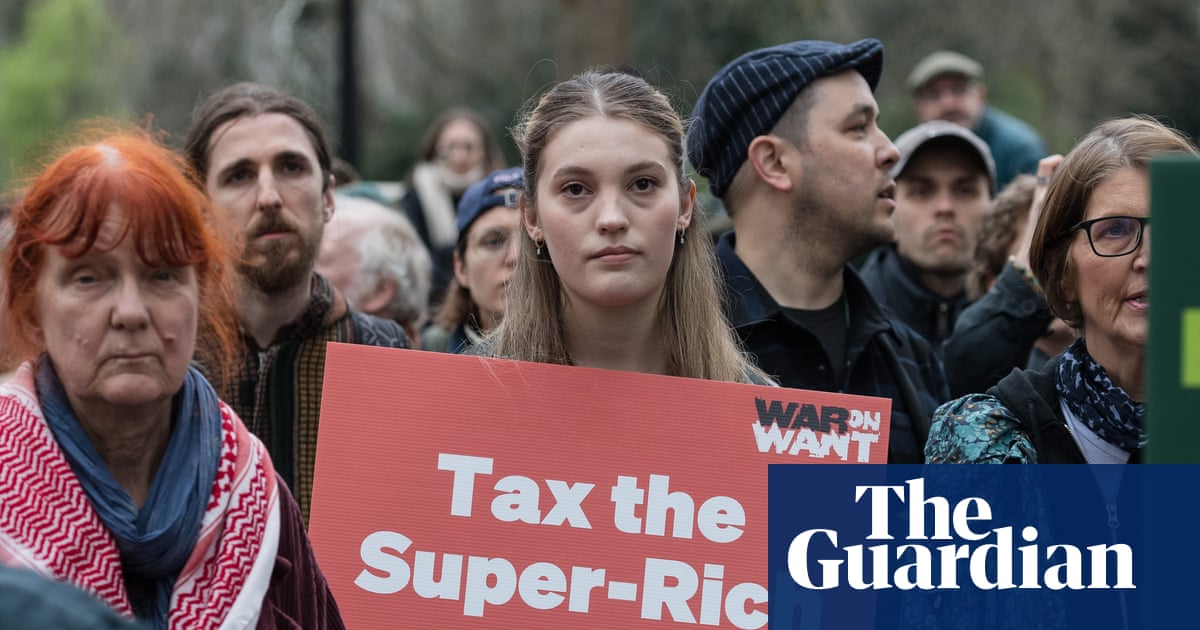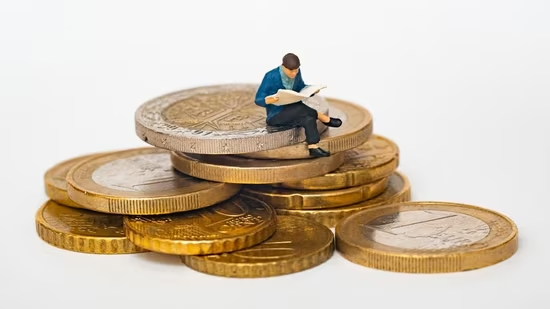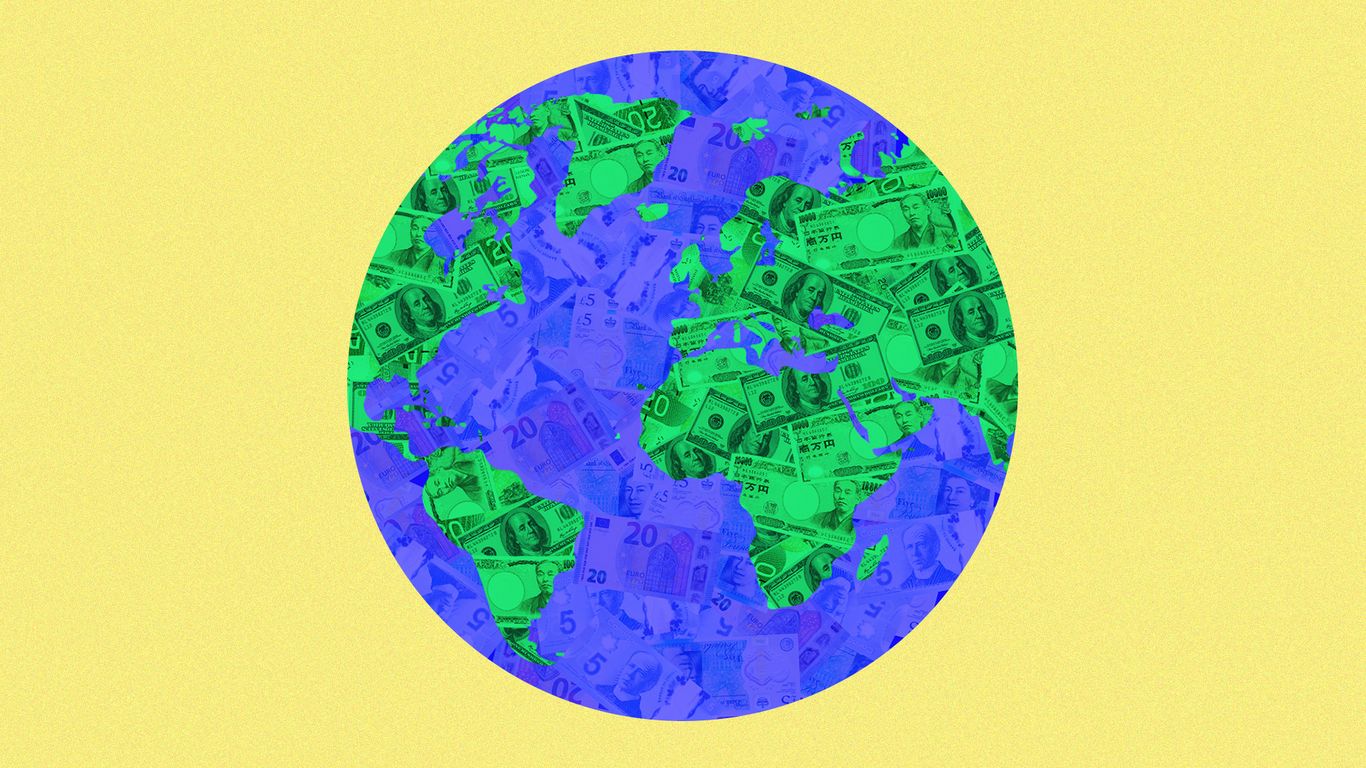
The world’s assets are piling up in the hands of the few as growth is built on widening gaps. That’s not just unfair – it’s economically unsustainable
T
his year’s global wealth report by the City bank UBS confirms what is self-evident but rarely confronted: while riches are accumulating, their distribution remains starkly unbalanced. In the 56 countries and economic areas surveyed, the report says global personal wealth grew 4.6% in 2024. However, not all boats have been lifted by this tide. The gap is growing between those who hold assets and those who don’t.
The figures are shocking: just 60m of the world’s adults – 1.6% of the population – have net personal wealth of $226tn, or 48.1% of all the world’s riches. At the other extreme, four in 10 adults – 1.57bn people – have only $2.7tn, or just 0.6% of all the world’s personal wealth. Economists now argue that inequality is no longer a by-product of growth but a condition of it.
In the US, soaring bond markets and tech stocks have benefited the ultra-rich and deepened inequality. Nine households, it was reported, control 15% of wealth in Silicon Valley. By contrast, UBS says British median wealth rose while average wealth fell. This is a rare divergence, probably caused by prosperous households in London taking a hit from interest rate hikes as house prices dropped and debt costs rose. This wasn’t a sign of shared prosperity but of paper losses at the top, while ordinary workers held steady.