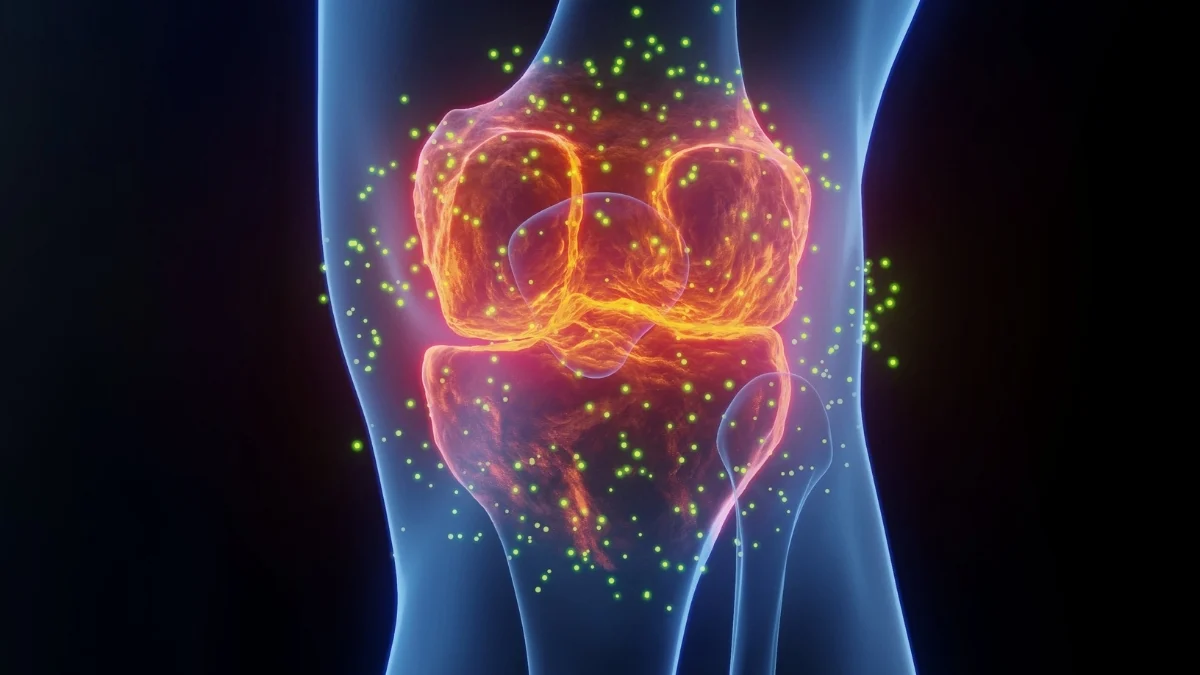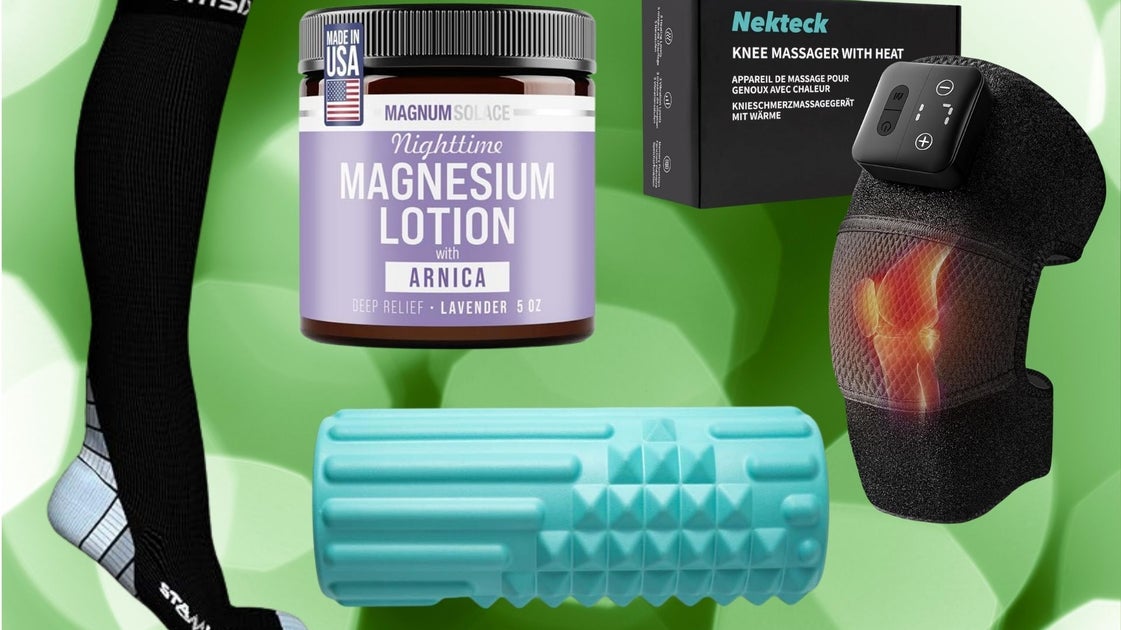
Joint pain can feel like a rusty hinge. Hinges work best when they’re coated with oil; without it, friction increases, and movement becomes stiff and restricted. Our joints operate the same way. Cartilage, synovial fluid and connective tissue act as the body’s natural lubrication. Reduced circulation and thicker synovial fluid can limit joint mobility, leading to stiffness and a feeling of restriction.
“Cold weather contracts blood vessels and narrows them to our extremities in order to protect and provide blood flow to vital organs. A less effective circulatory system and the way our body naturally protects our life during cold temperatures contribute to achy joints and challenging mobility,” Raquelle Felder, a licensed physical therapist and founder of San Diego Mobile Rehab and Physical Therapy, told HuffPost.
And while joint pain can affect anyone, 70% of adults ages 50 to 80 naturally experience it as they age, according to a 2022 University of Michigan report. Growing older means we naturally lose some of the key functions that keep the body moving. “Joints are more painful in older bodies due to the natural aging effects of decreased elasticity of tissues, joint cartilage, and joint lubrication,” Felder said. “Older bodies are more likely to feel pain due to decreased muscle strength, causing the joints to stiffen up in order to prevent instability.”