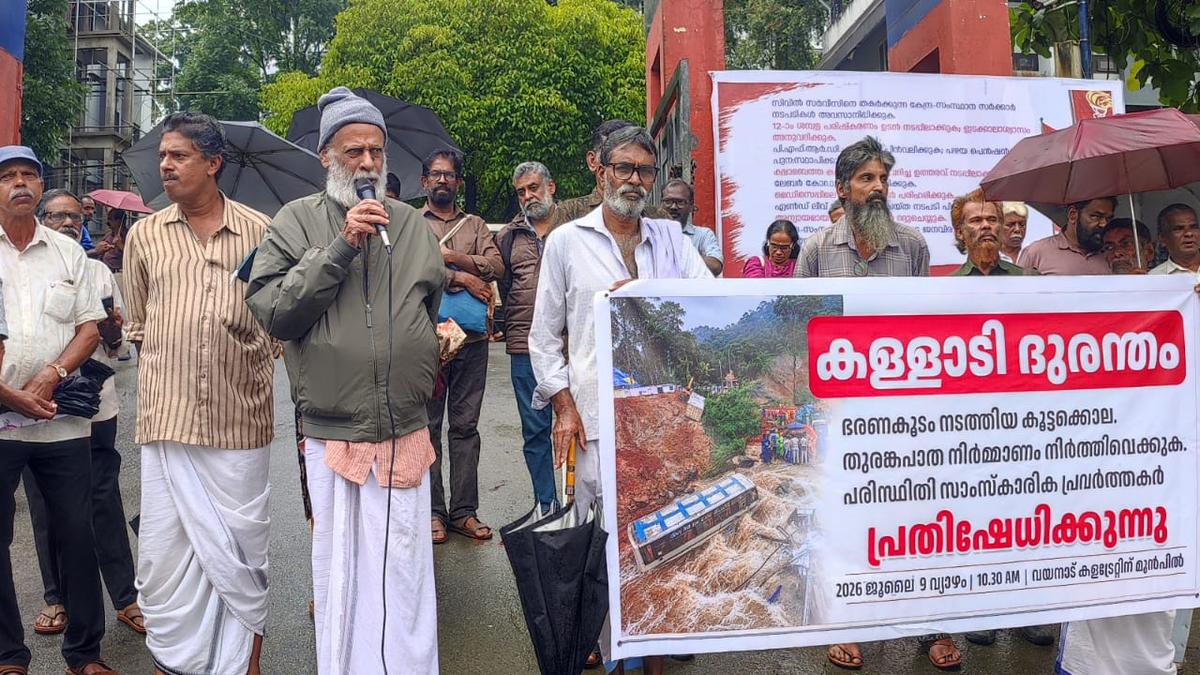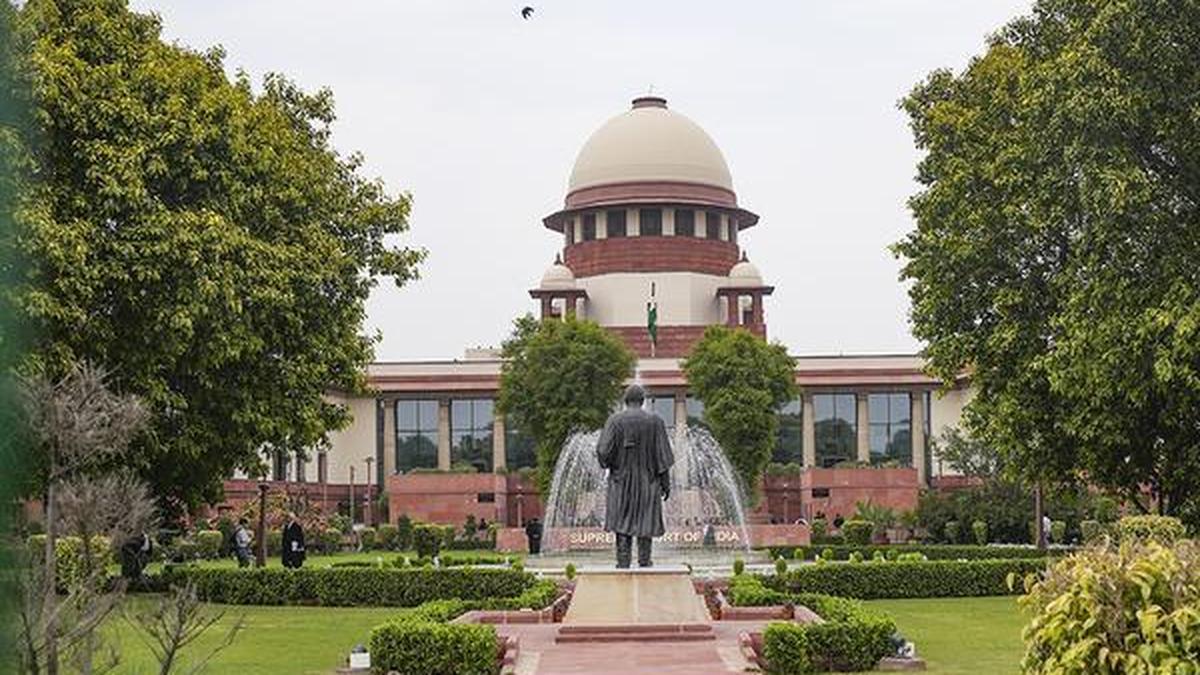
The Supreme Court on Monday (April 6, 2026) decided not to interfere in a challenge raised by the Wayanad Prakrithi Samrakshana Samithi against the construction of a twin tube tunnel corridor deep within the ecologically fragile Western Ghats zone in Kerala, saying the project seems to be of “national importance” in a land-starved State riddled by bottlenecks on roads and highways.
“We know the area. In Kerala, there is a lot of congestion on roads and highways. There is a limitation of land there… Tunnels are constructed throughout the world,” Chief Justice of India Surya Kant, heading a Bench comprising Justice Joymalya Bagchi, observed orally.
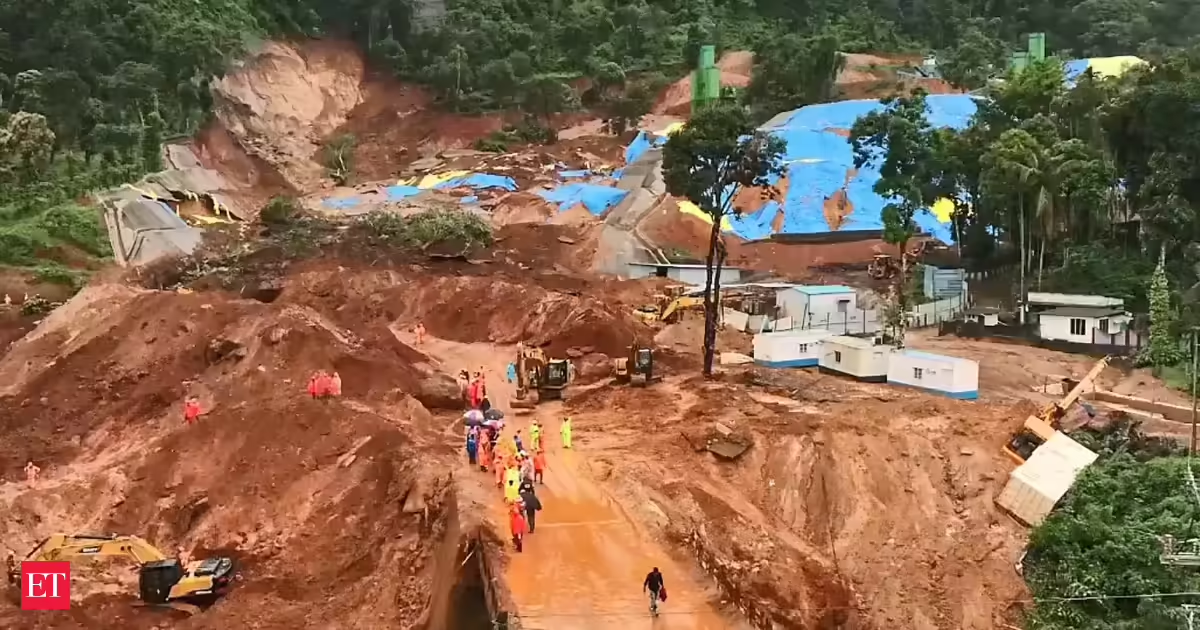
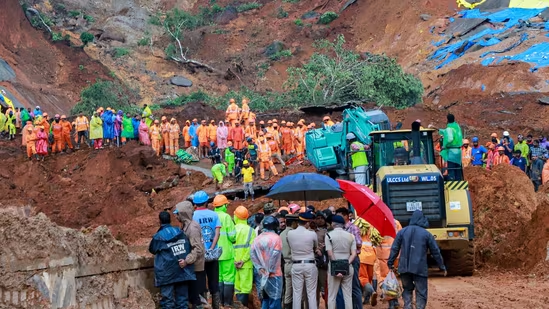
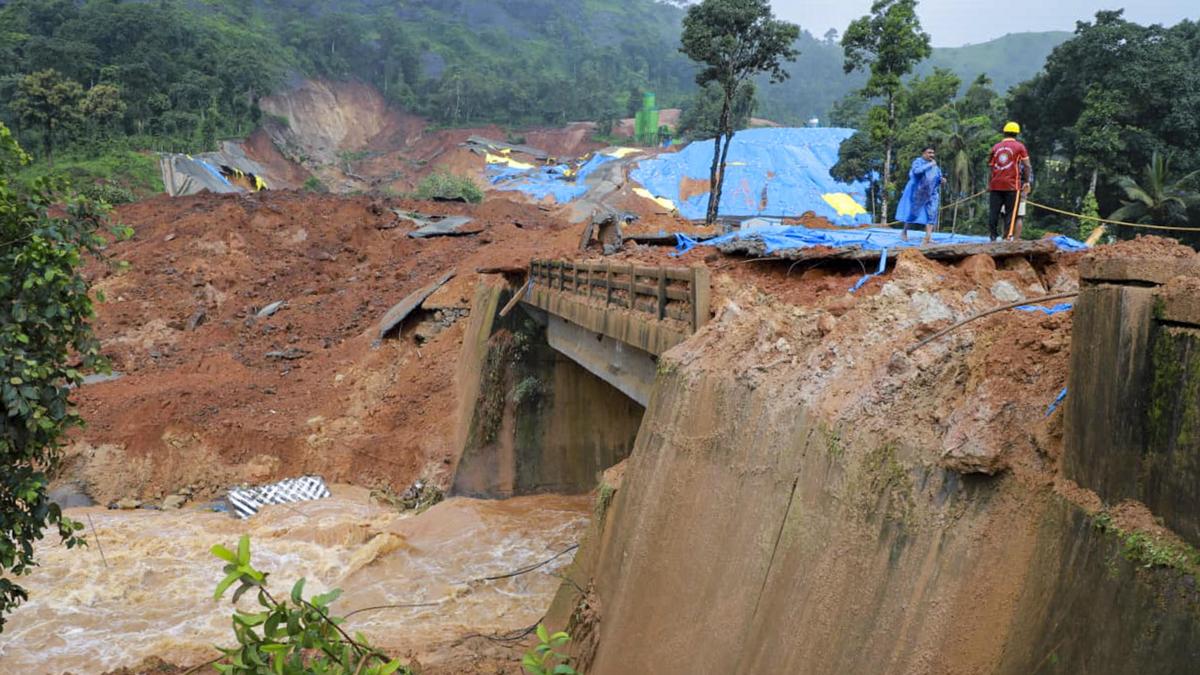
The tunnel intends to connect Kozhikode district with the Wayanad district, where a landslide in 2024 destroyed an entire villages registering 420 confirmed deaths and 118 people still missing.
Senior advocate Shyam Divan, appearing for the petitioner-NGO which has appealed a Kerala High Court decision in favour of the tunnel project, said the High Court had veered away from its own standards of “heightened responsibility and accountability”. There were patent flaws in the High Court decision, Mr. Divan argued.
He submitted that projects envisaged in the vicinity of critically protected areas and ecologically sensitive zones must be accorded Category ‘A’ environmental clearance and appraisal at the Central level. The senior advocate submitted that in this case the project was near the Nilgiri biosphere besides in a highly landslide-prone area. The impact of blasting and vibrations not only endangered the fragility ecology of the area but also posed the grave risk of hundreds of people. He submitted that the State level was done “hurriedly” even as its Expert Appraisal Committee was nearing the end of tenure. Mr. Divan submitted that the approval and environmental clearance conditions imposed by the Central Expert Appraisal Committee was merely a cut-paste job without application of mind.