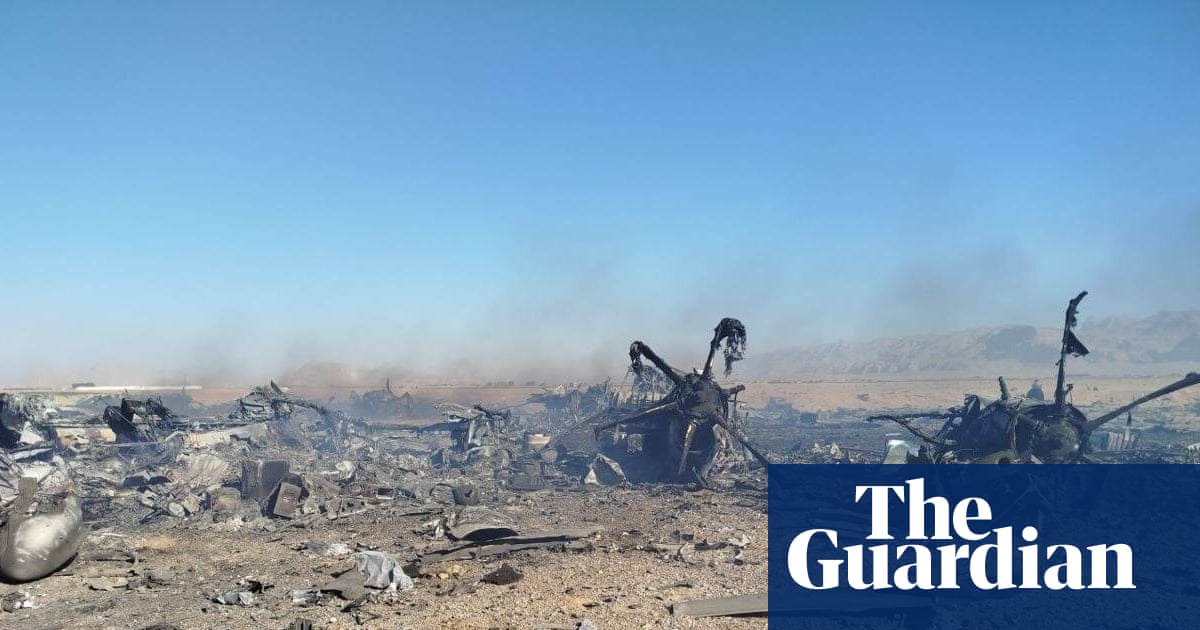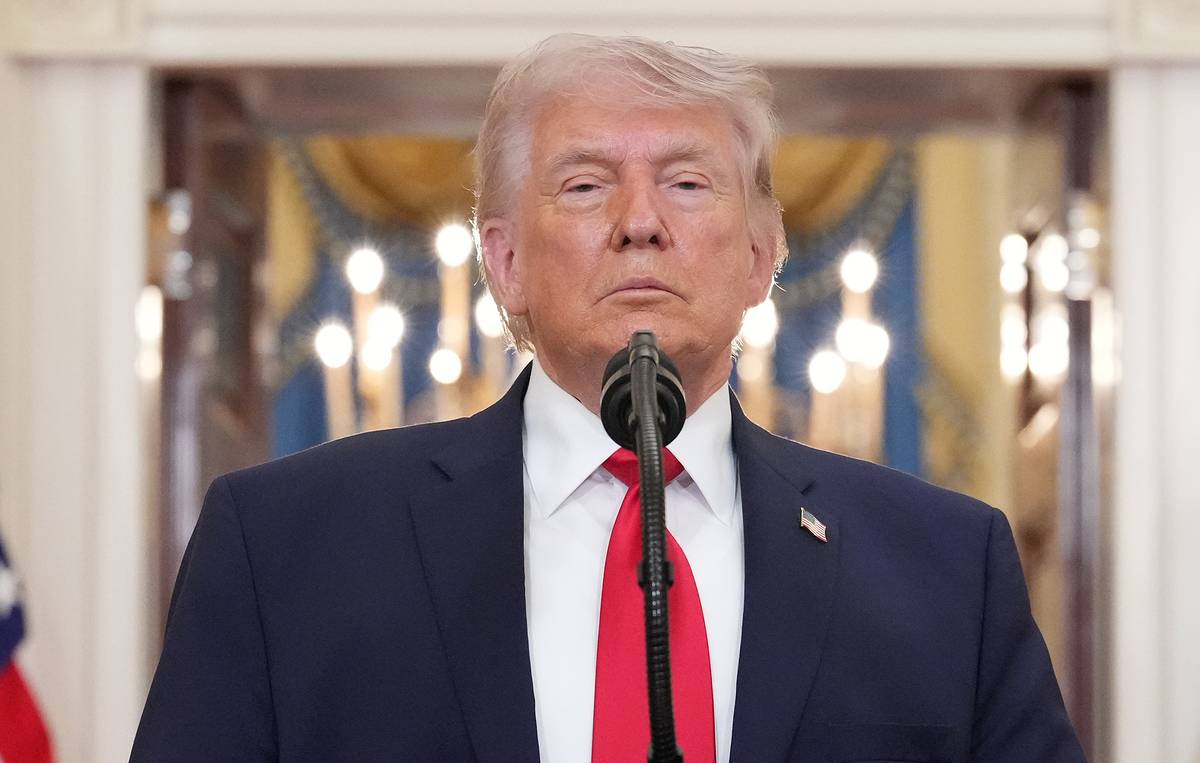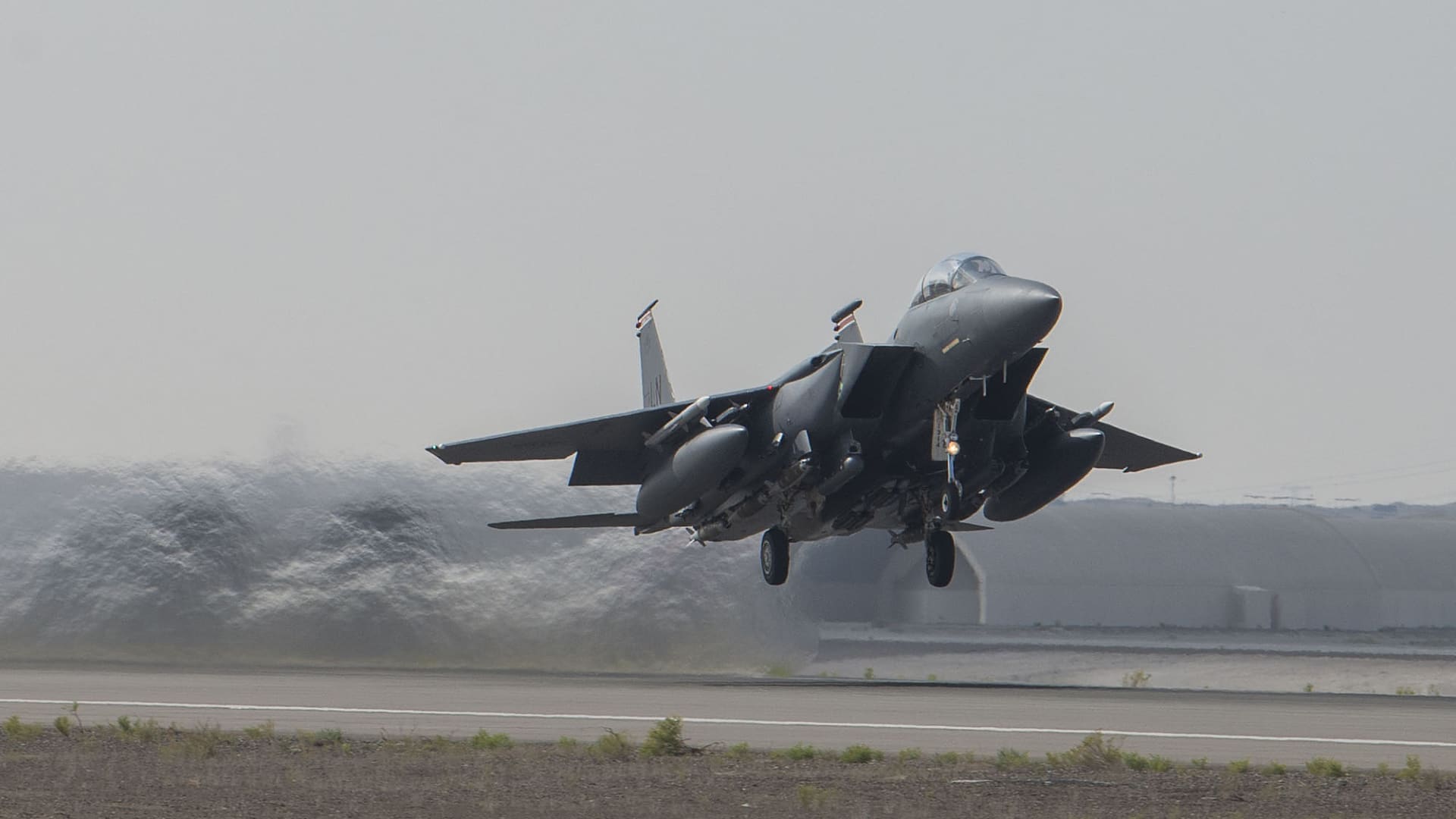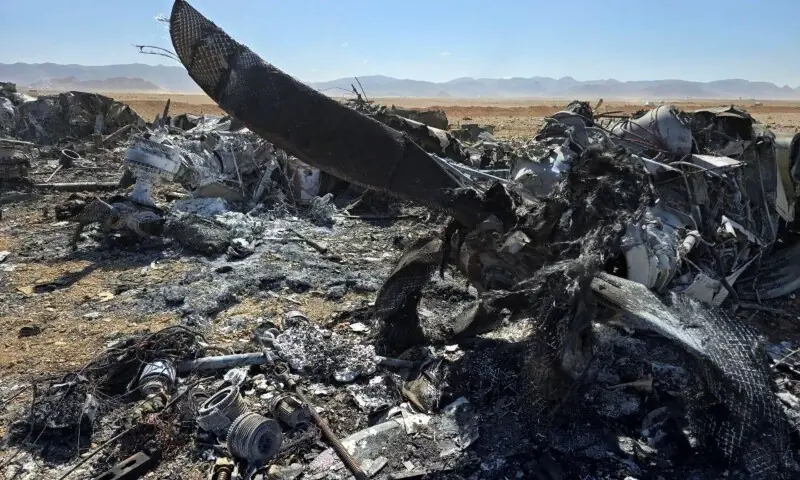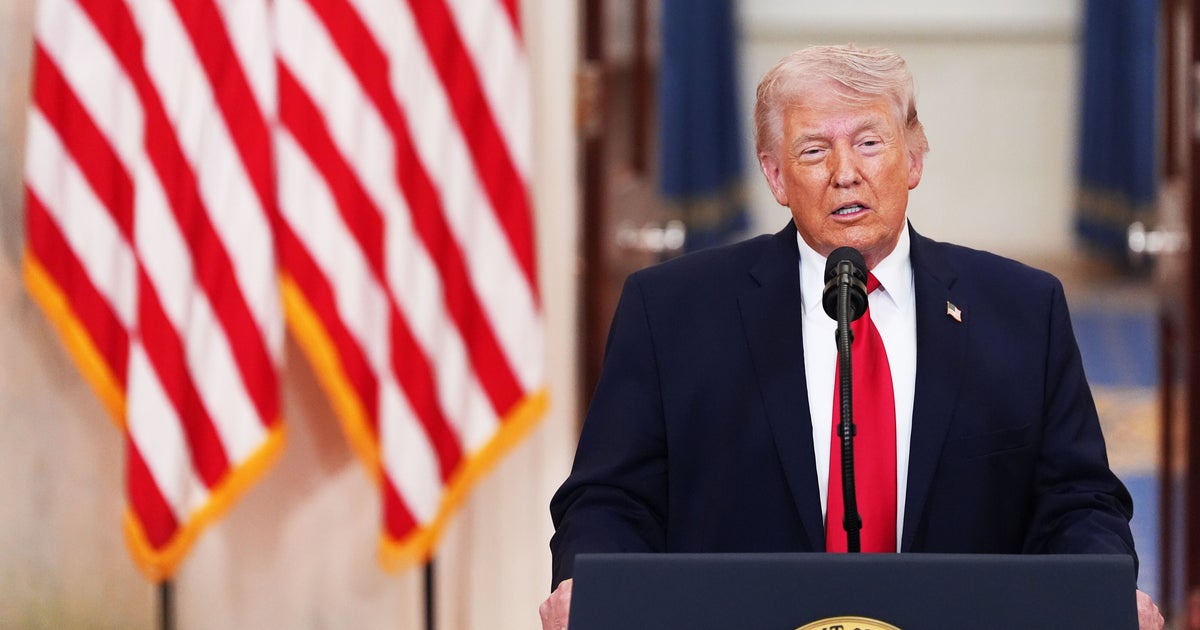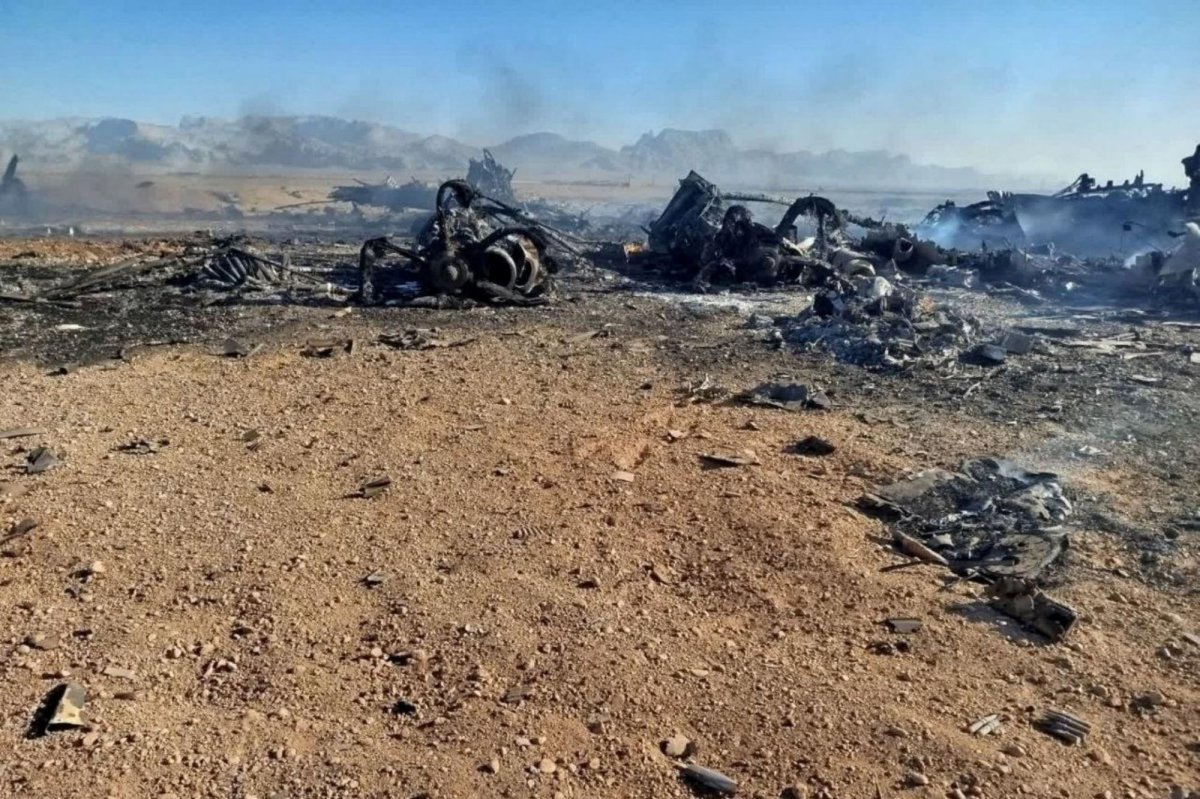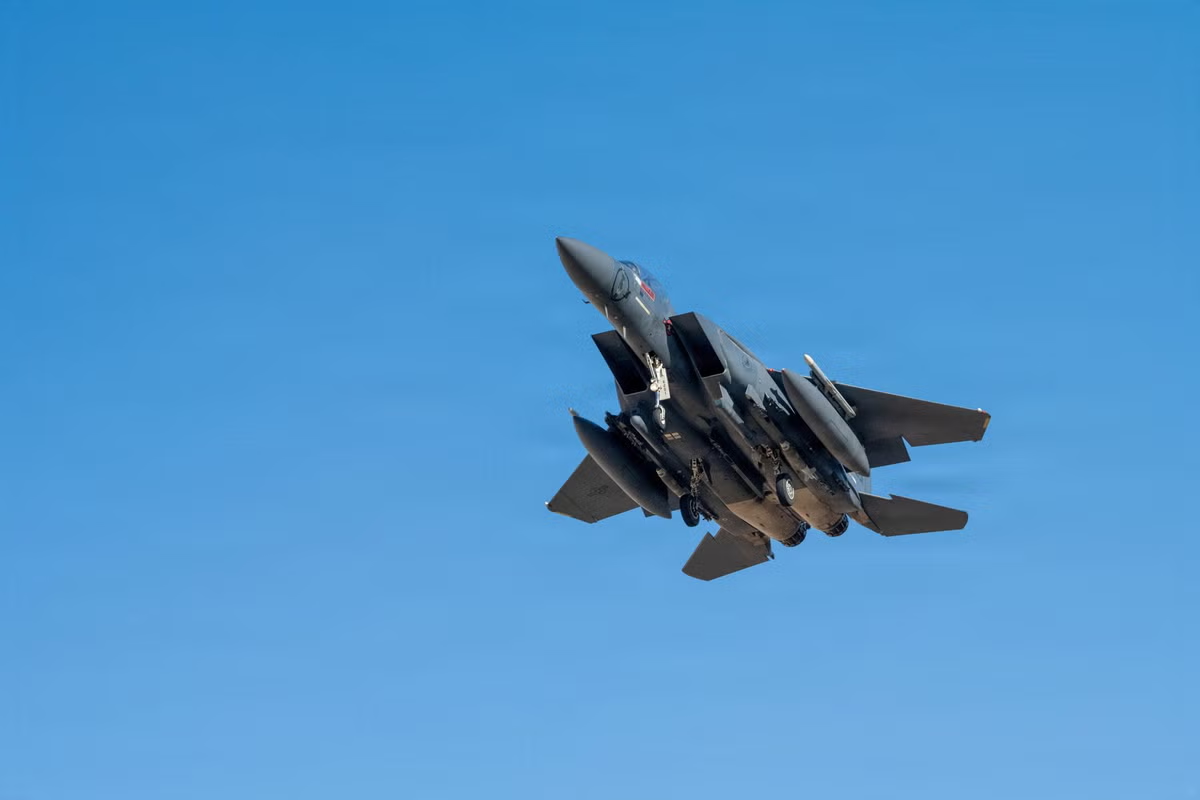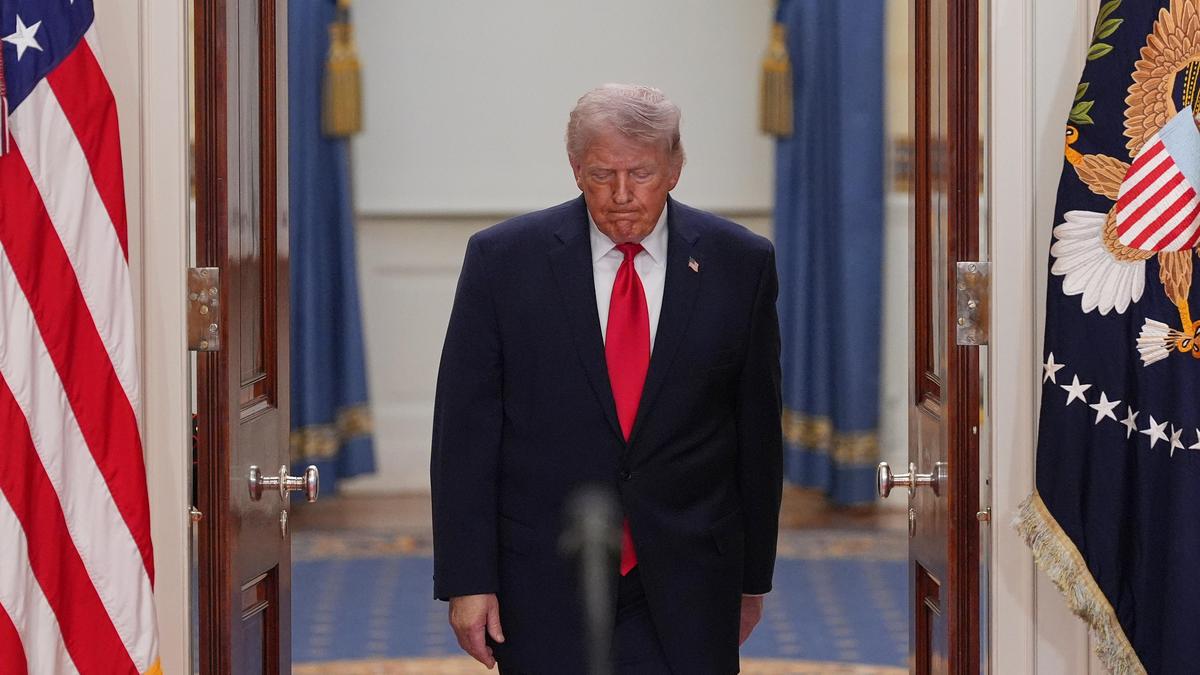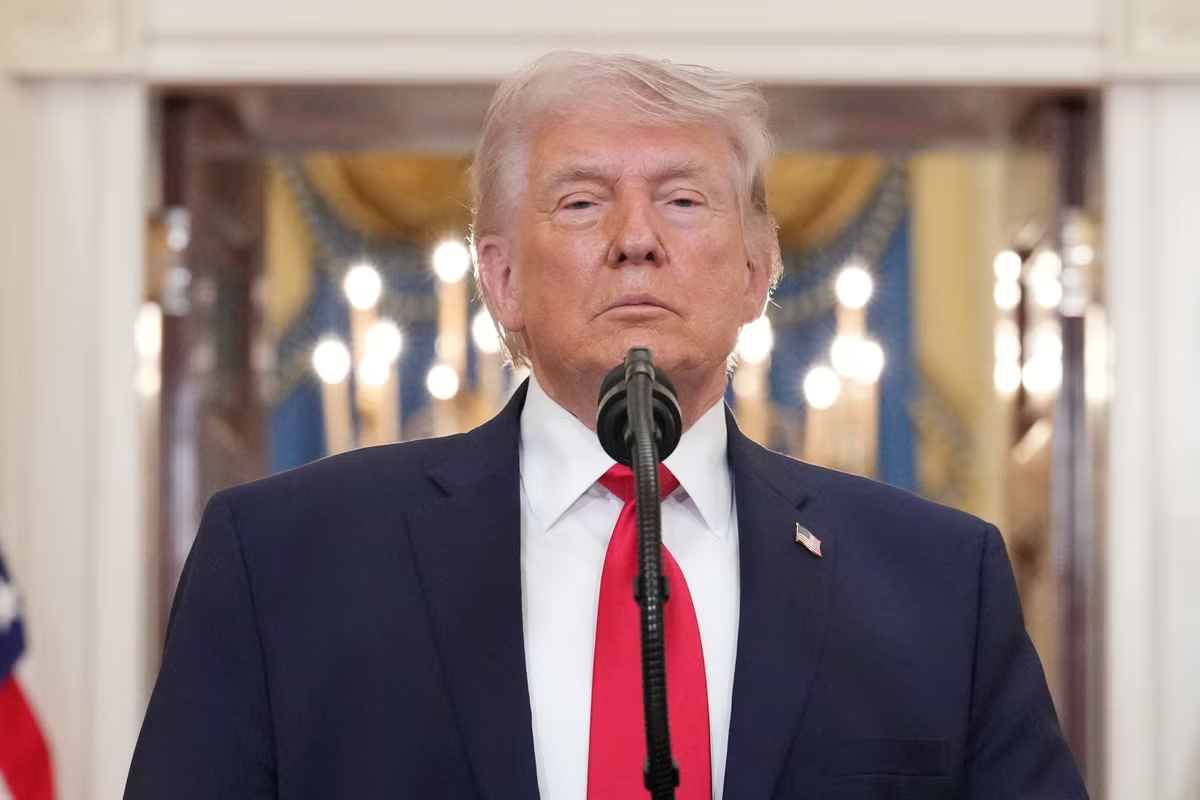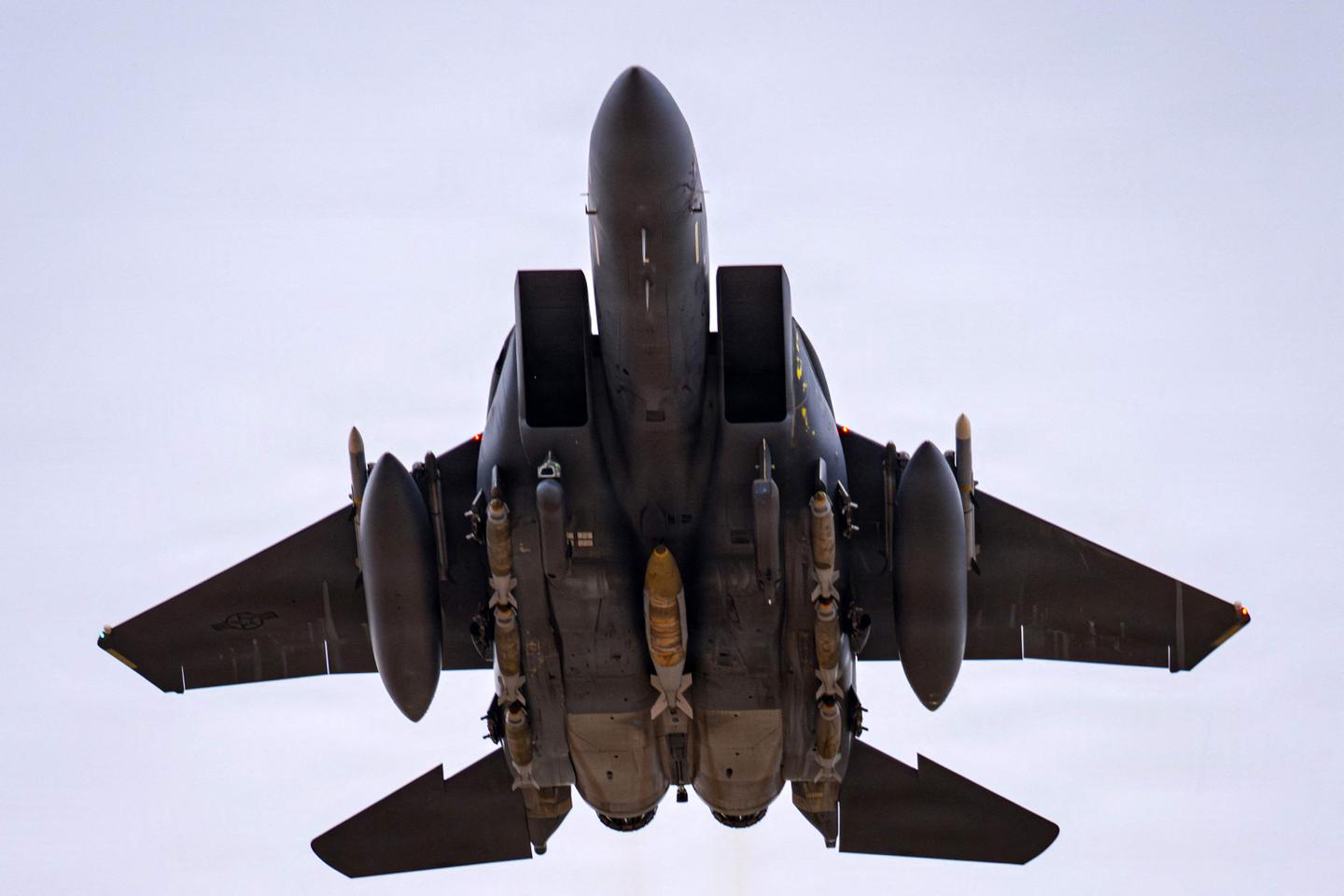
US President Donald Trump was swift to declare victory after the second crew member of an F-15 downed over Iran was recovered, claiming on Sunday that the dramatic and successful rescue in Iranian territory "proves, once again, that we have achieved overwhelming air dominance and superiority".
Observers, however, paint a more complicated picture of what this means for the US in Iran.
While the mission was a success, the events of the last few days - in which two aircraft were downed and at least one helicopter hit by gunfire - highlight that threats to US aircraft and personnel remain even after weeks of heavy US and Israeli strikes against Iran's military infrastructure and boasts from the president that Tehran had "no anti-aircraft equipment" left.
Several Washington sources who spoke to the BBC speculated that the loss of aircraft and the complexity of the operation to recover the pilots could potentially dissuade Trump from any ground operation to take Kharg Island and sites in the Persian Gulf, or to seize highly enriched uranium buried deep underground in Iran.
These operations – scoped by military planners and presented to the president as options – are deeply complex and risk exposing US forces to lingering Iranian capabilities, including difficult-to-find man portable air defence systems, known as Manpads, which are shoulder-launched weapons most effective against low flying aircraft.