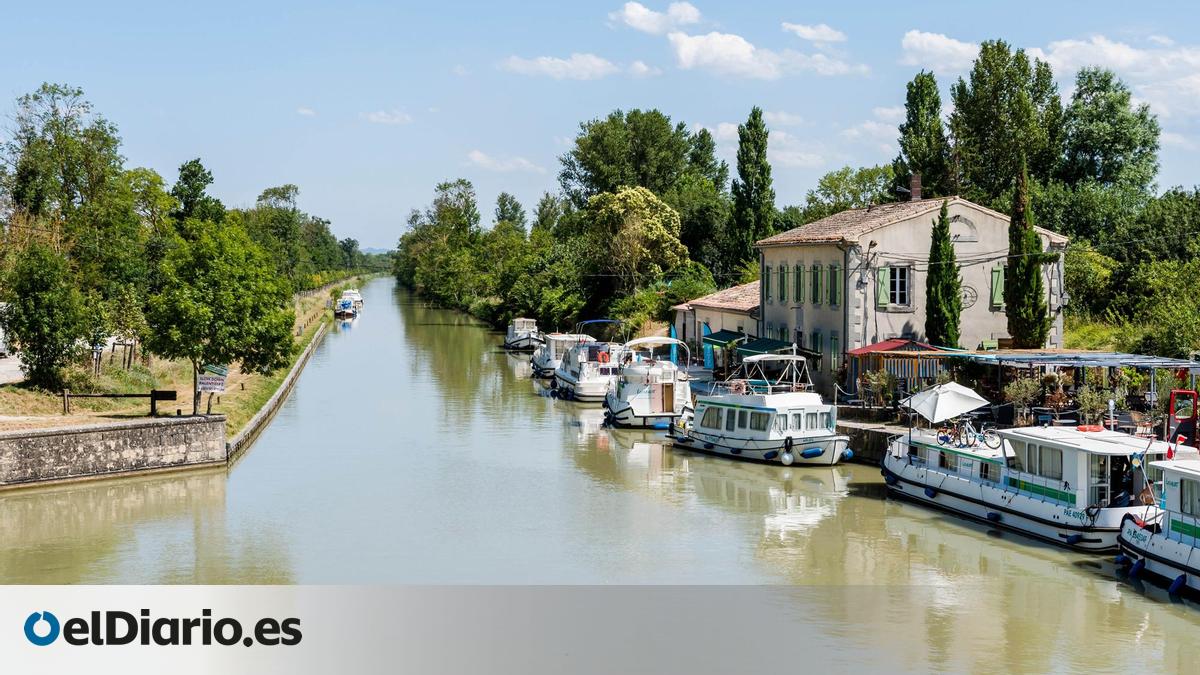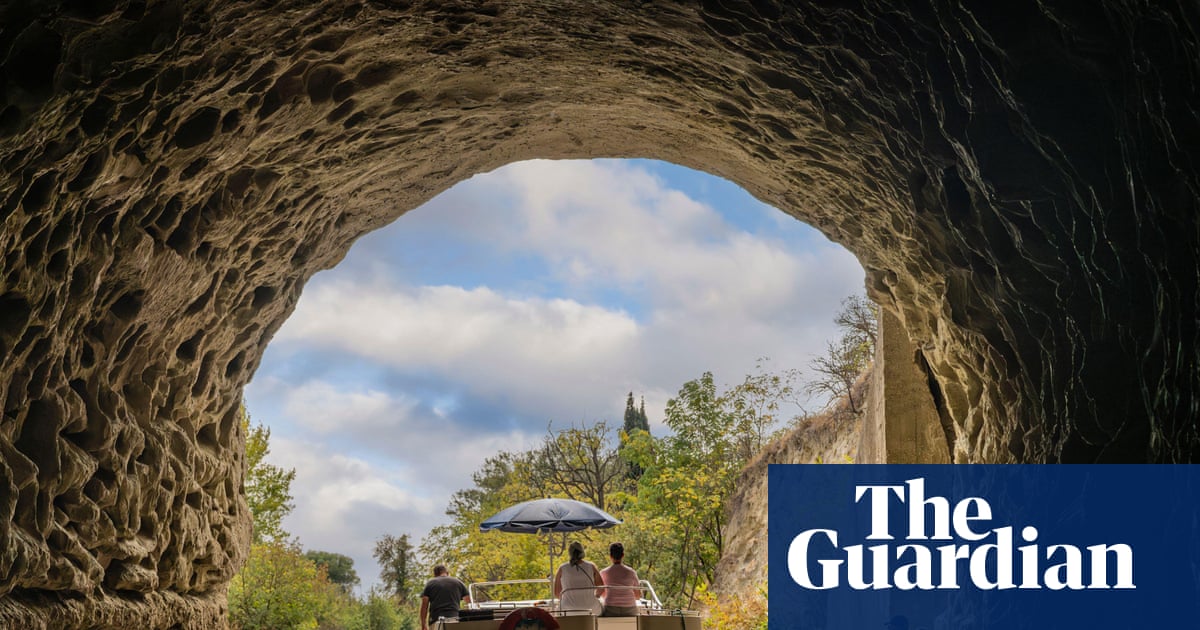
Designed as a shortcut between the Atlantic and the Med, today the scenic waterway from Toulouse to Sète is seen as a living ‘work of art’
C
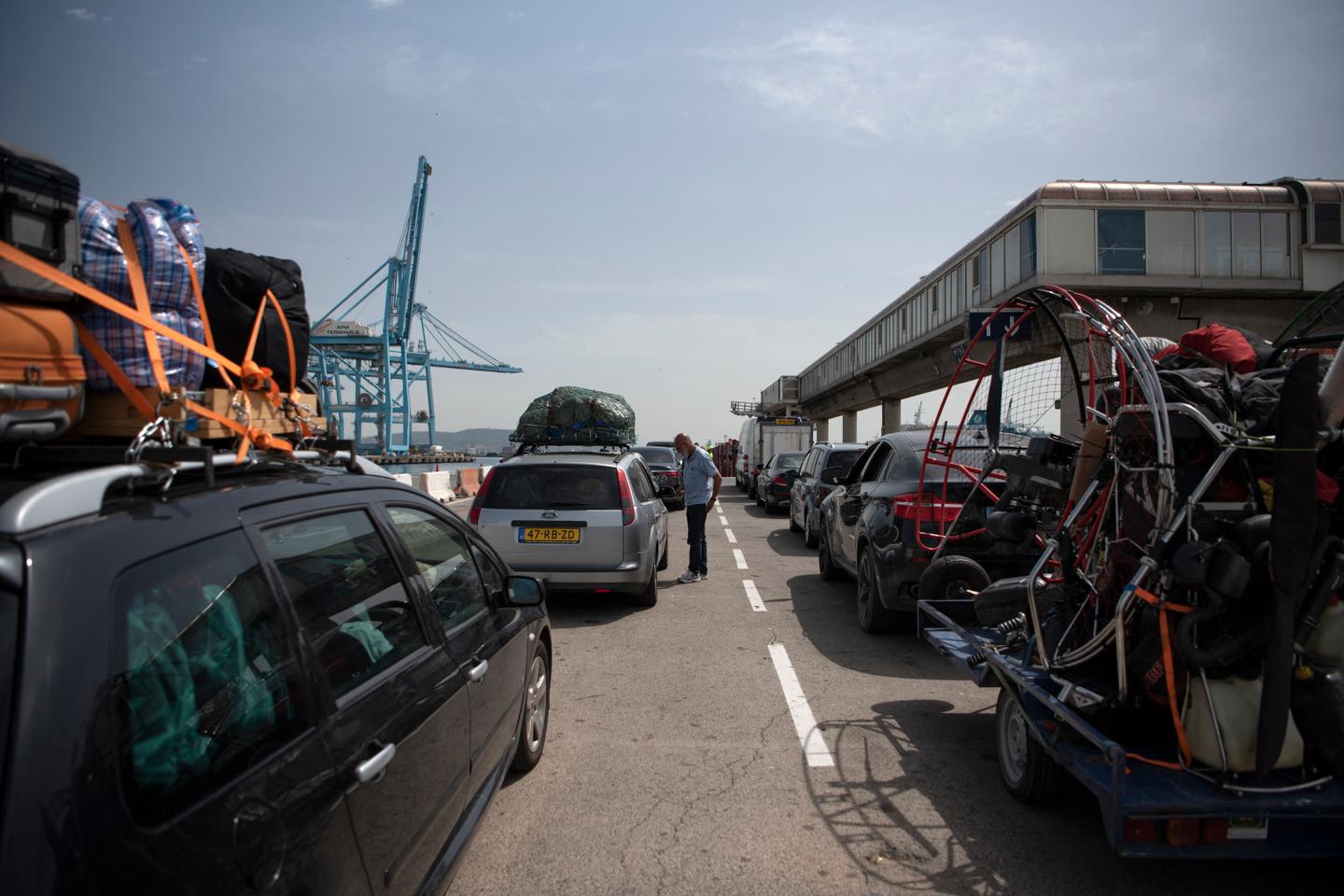
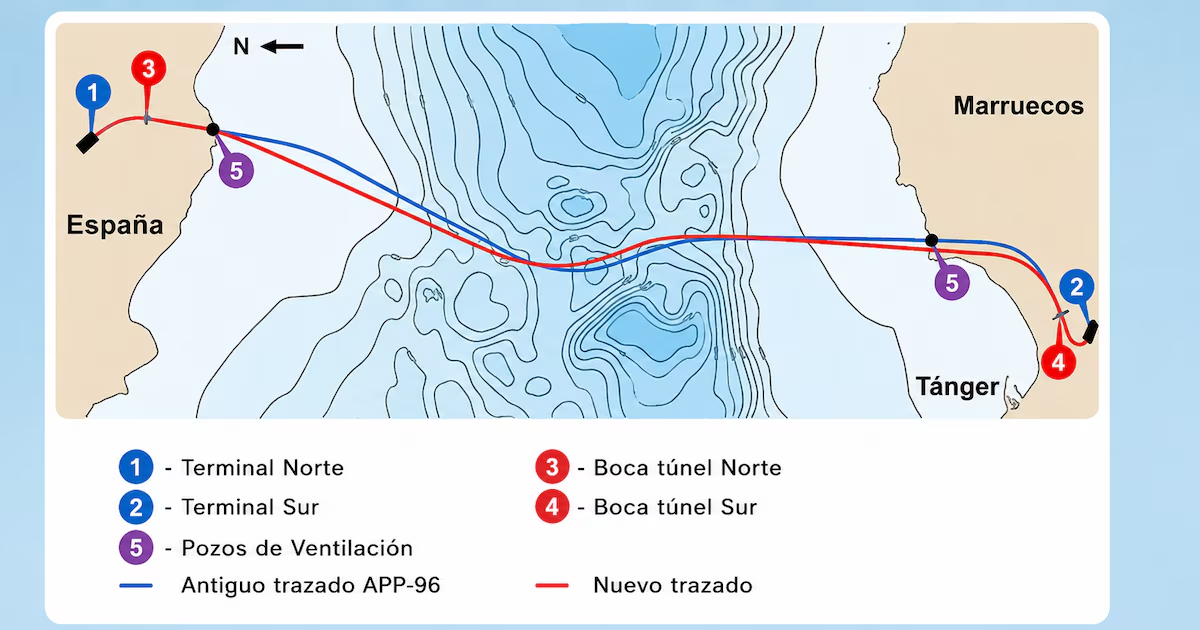
enturies before Donald Trump started playing around with the world economy, “tariff” was a levy paid to Spain by ships using the strait of Gibraltar; it was named for Tarifa, the town near the strait’s narrowest point. France’s kings had long dreamed of a waterway linking the Atlantic to the Mediterranean: as well as depriving the Spanish monarch of easy money, it would save ships a long voyage around Spain and Portugal, risking storms and pirates.
From the Atlantic, vessels can reach Toulouse from the Gironde estuary (on the Garonne River), but not until the 1660s did anyone have a viable plan for the remaining 200km to the Med. Considered one of the biggest engineering feats of the 17th century, Pierre-Paul Riquet’s Canal du Midi (finished in 1681 and called the Canal Royal du Languedoc until the revolution) rewrote the history of transport and commerce in the south of France – for centuries it carried wheat and wine, people and post.
In 1996, Unesco added the canal to its world heritage list, citing the way Riquet “turned a technical achievement into a work of art”. Today, the canal attracts more than 70,000 visitors a year, almost three-quarters of them from outside France. From La Ville Rose (as Toulouse is known) to the sea, here is how to enjoy it, however you decide to travel.