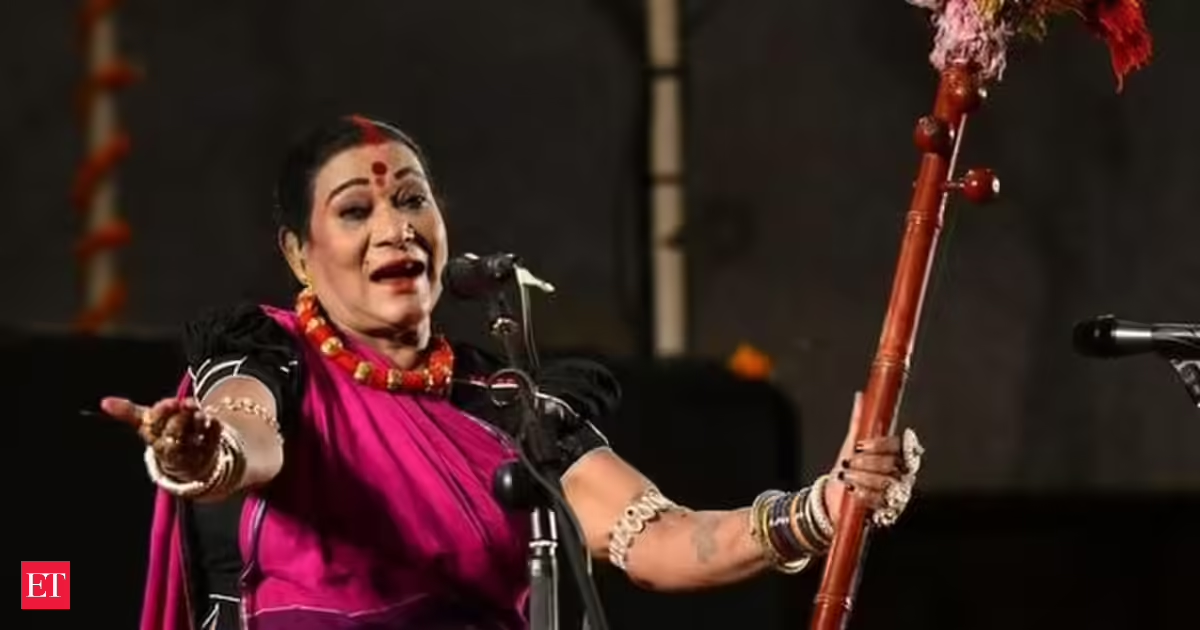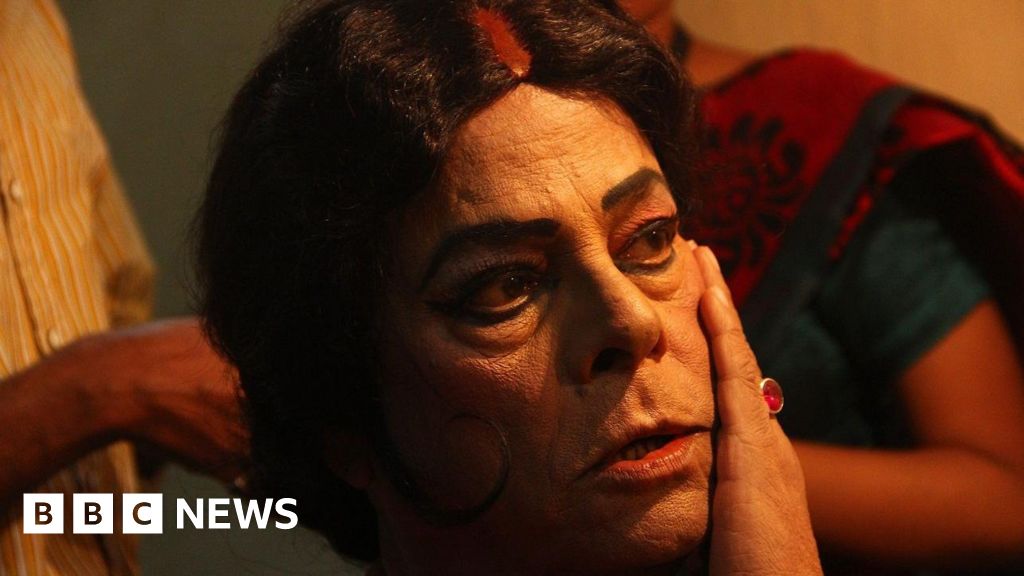
In mid-20th Century Bengal in eastern India, some of the biggest female stars on stage were actually men.
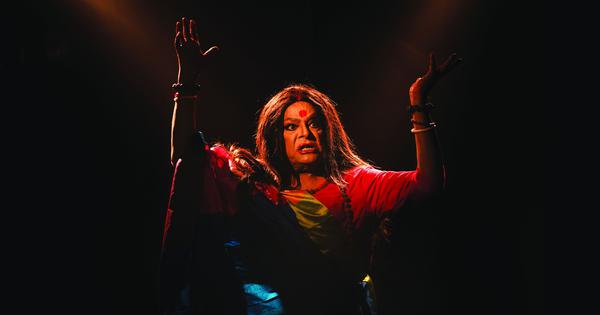
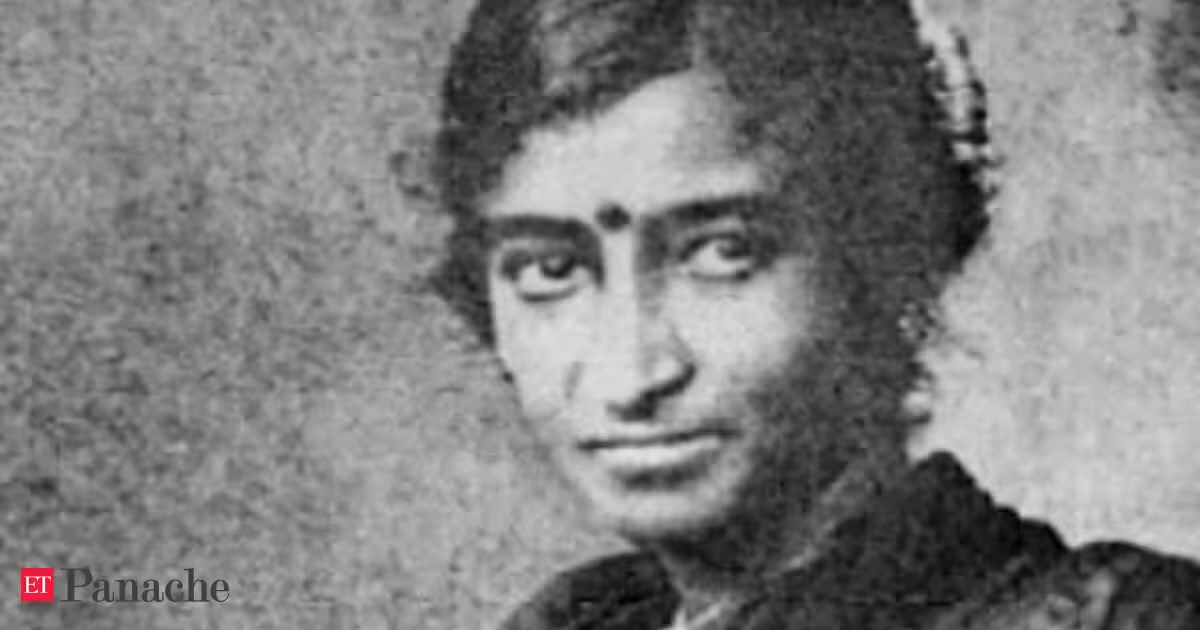
Foremost among them was Chapal Bhaduri - better known as Chapal Rani - the reigning "queen" of jatra, a travelling theatre tradition that once drew vast, fervent crowds.
Male actors playing female roles were a familiar trope across global theatre, from Europe to Japan and China.
In Bengal, the form flourished in jatra - a rural, open-air spectacle of music, myth and melodrama that often rivalled cinema in reach, though not in rewards. Rooted in epic and devotional storytelling, it played out on all-sided stages, driven by heightened voice, gesture and costume.
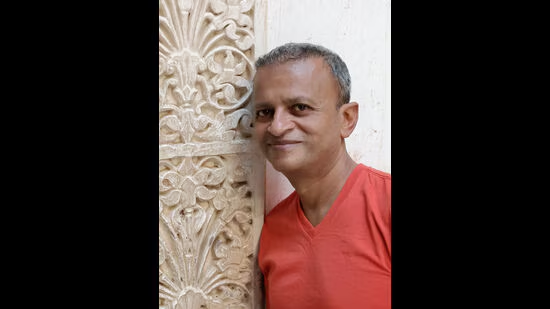
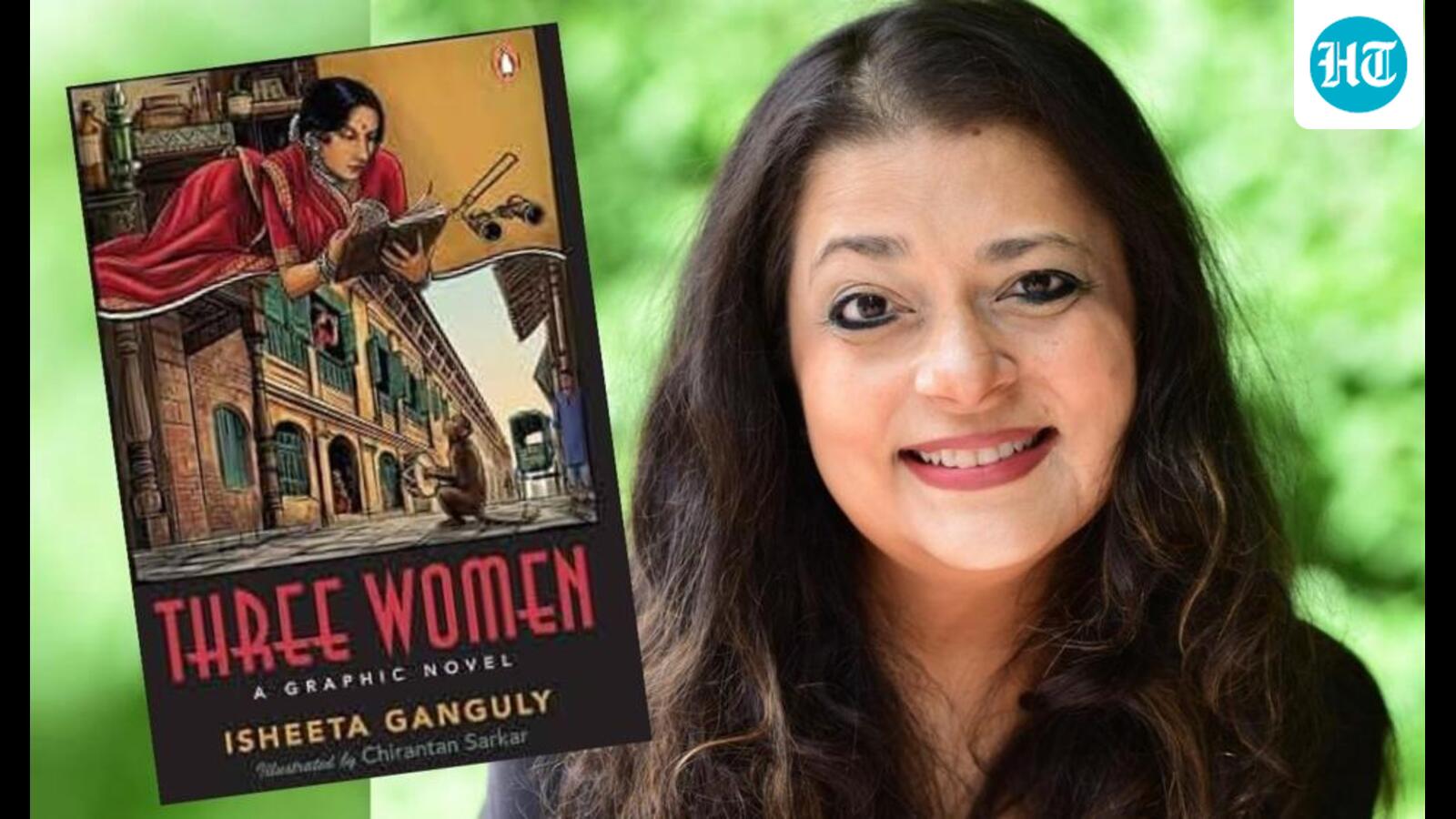
In a new book, Chapal Rani: The Last Queen of Bengal, writer Sandip Roy traces Bhaduri's journey from stardom to obscurity - and, in doing so, captures a vanishing world where gender itself was an act.