In the early 20th Century, when medicine was still overwhelmingly male and European institutions largely closed their doors to women, a young doctor from colonial India's Bengal broke through one of its most formidable gates.
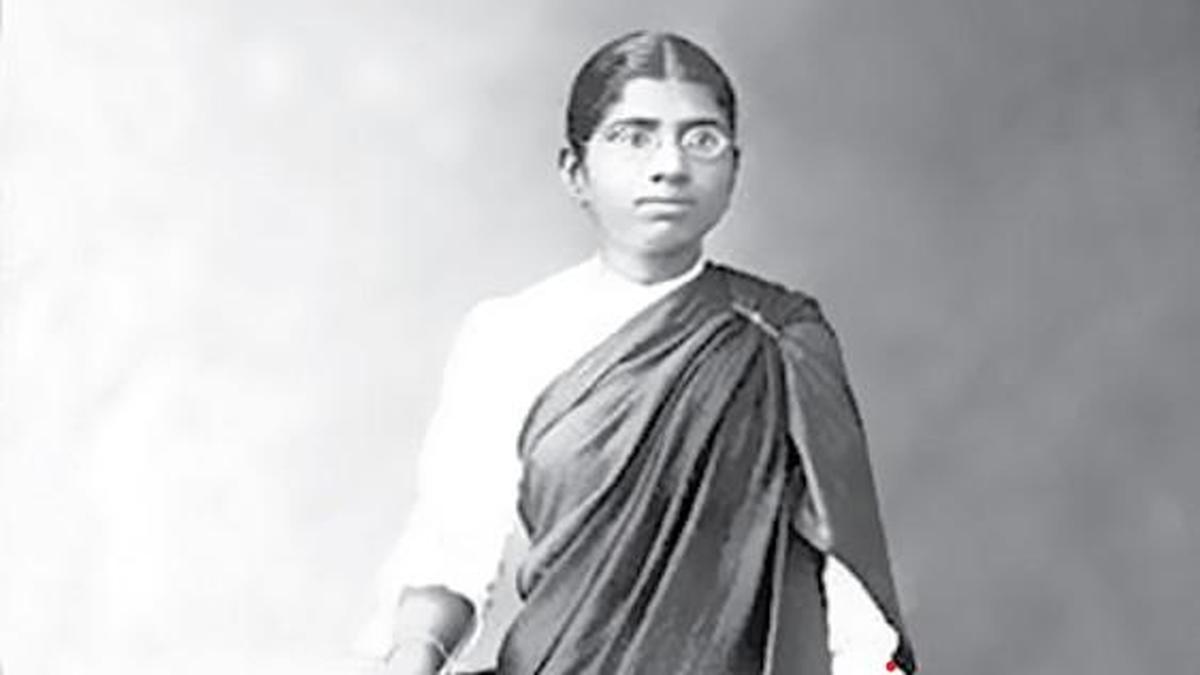
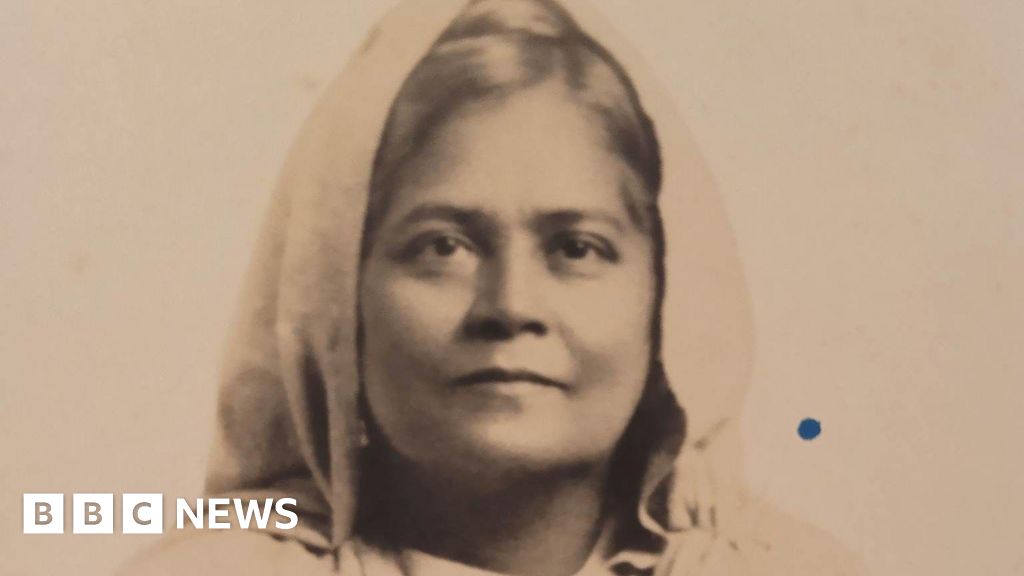
In 1912, Jamini Sen became the first woman ever admitted as a Fellow of the Royal College of Physicians and Surgeons of Glasgow - an institution founded in 1599 and long closed to women.
Yet, unlike many pioneers of modern medicine, her story largely disappeared from view.
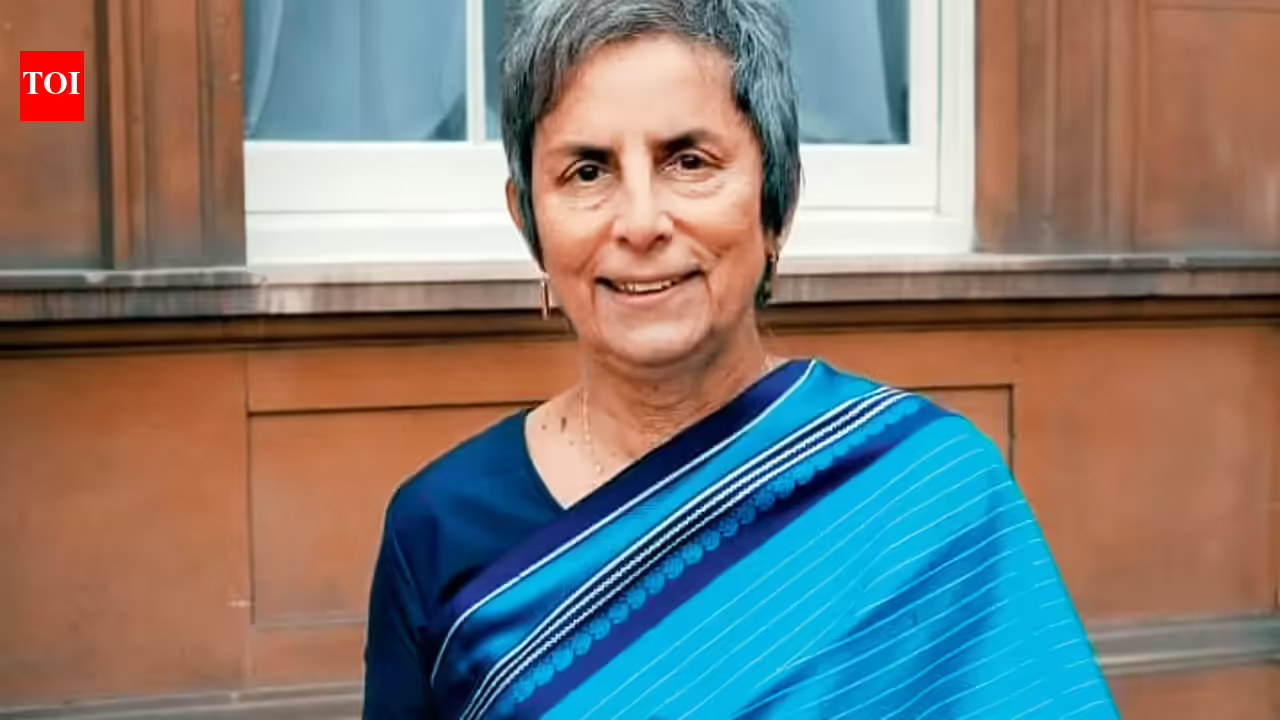
Now, more than a century later, Sen's remarkable life - spanning palace wards in Nepal, examination halls in Britain and epidemic-stricken towns in colonial India - has been reconstructed in Daktarin Jamini Sen, a new biography by her great-niece Deepta Roy Chakraverti. (Daktarin is female doctor in a number of north Indian languages.)
The biography draws on letters, diaries, a slim journal kept by Sen herself, her article in a journal called Mahila Parishad, and a synopsis written by her elder sister, Kamini. The book restores to history a woman of fierce intellect and radical resolve from pre-independent Bengal.