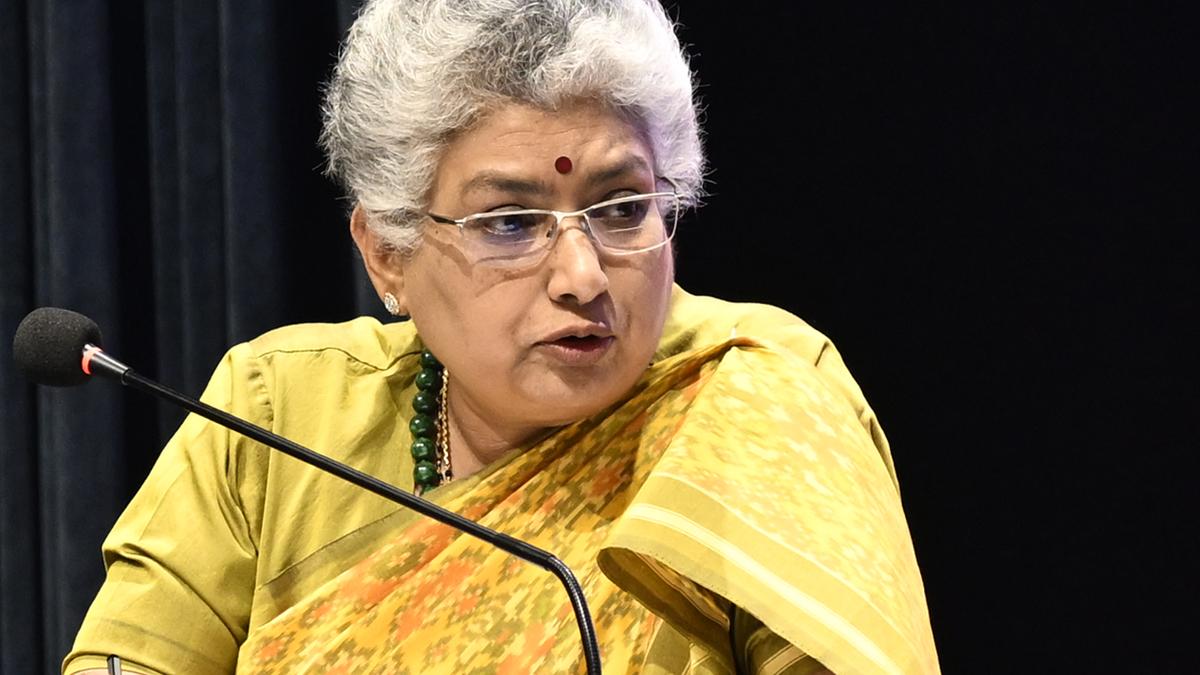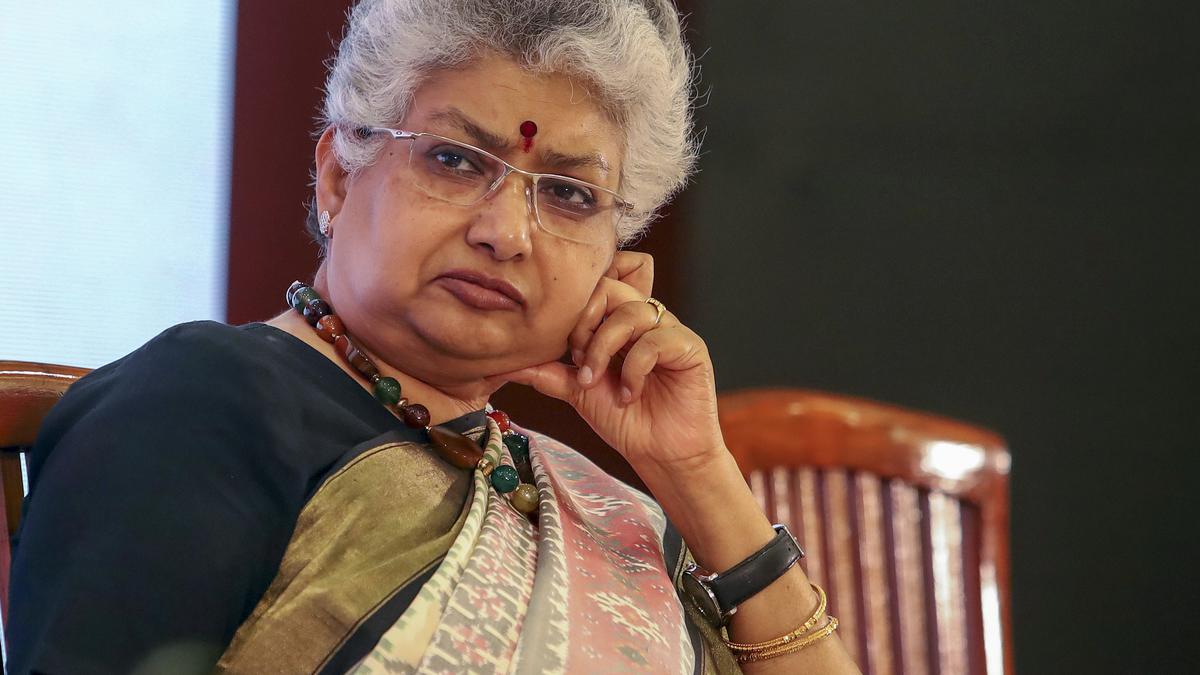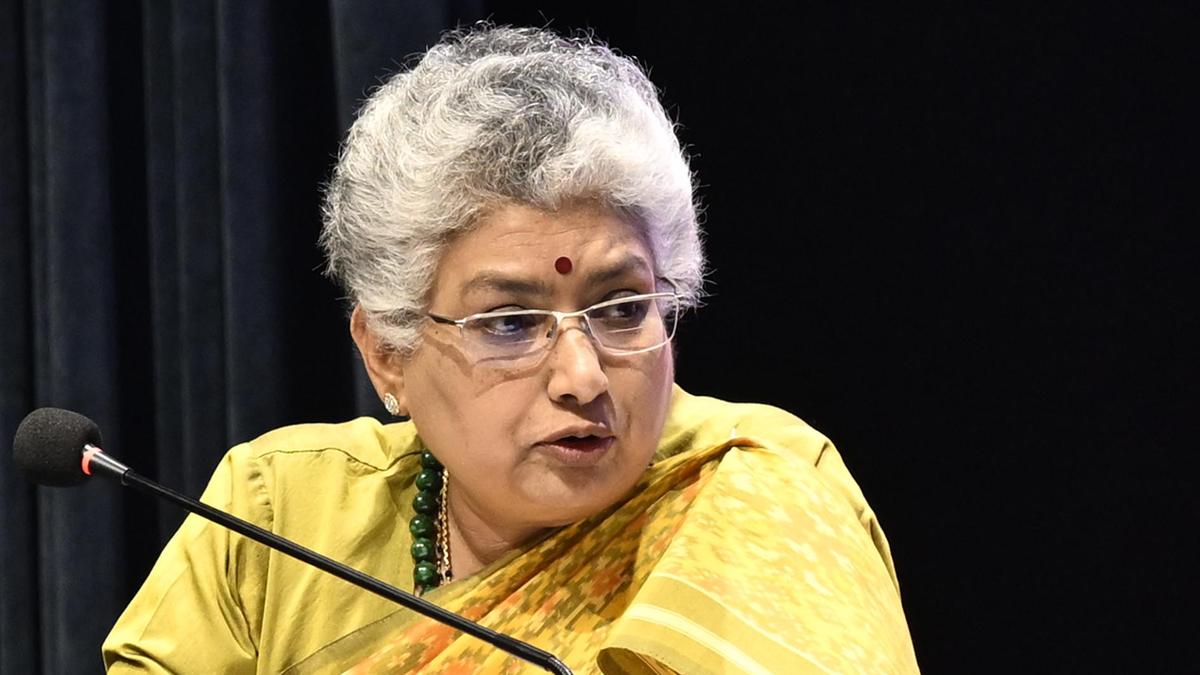
Supreme Court judge, Justice B.V. Nagarathna, on Saturday (April 4, 2026), said the Centre can neither treat States as “subordinates” nor discriminate against the citizens of a State ruled by an opposing political party.
Justice Nagarathna said the Centre ought to view the States as coordinates and federalism as a constitutional arrangement of co-equals.
Opinion | India’s federalism is in need of a structural reset
The Supreme Court judge, in line of seniority to be the first woman Chief Justice of India in 2027, said political differences or conflicting ideologies between the party at the Centre and the party in power in a State should not be a reason to discriminate against the citizens of that State.
“Interparty differences or distinct political ideologies have to be kept aside in the matter of Centre-State relations... The citizens must have the benefit of both governments with regard to the welfare schemes... The citizens of a State cannot be discriminated against in matters of development or in governance. There cannot be a pick-and-choose approach vis-à-vis the States when it is in the realm of development programmes for the citizens of a State. Equity as a matter of a fair approach must be adopted,” Justice Nagarathna said in her lecture at the Chanakya National Law University on ‘Constitutionalism beyond Rights: Why Structure Matters’.