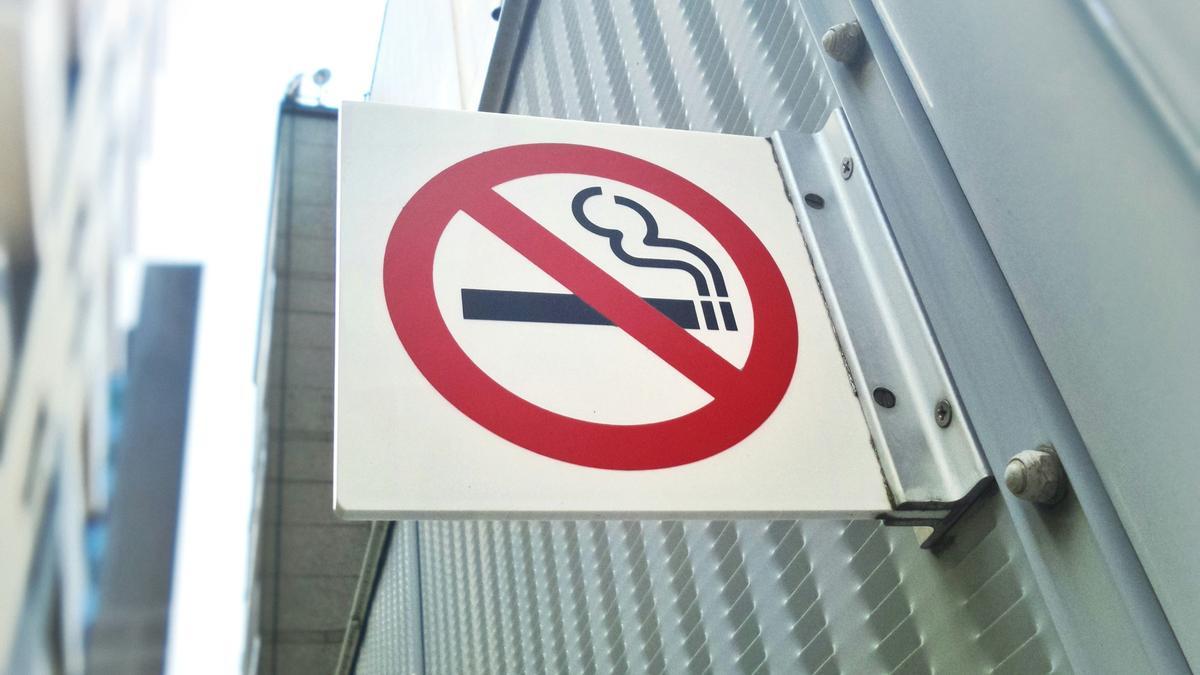
Tribal adolescents in Odisha, home to India’s most diverse tribal communities, with the State’s 64 tribes including 13 Particularly Vulnerable Tribal Groups (PVTGs), are initiated into the consumption of smokeless tobacco as early as 12 to 16 years of age due to lack of family control, and peer pressure, a study by the regional chapter of the Indian Council of Medical Research (ICMR) has found.
The study, titled ‘A qualitative study on tobacco-use associated behaviour and major influencing factors among youths from indigenous communities of Odisha, India’, carried out by the Regional Medical Research Centre (RMRC), Bhubaneswar, an ICMR institute, and Utkal University, says the prevalence of smokeless tobacco consumption is 61% among men, and 35% among women.
The study of 210 respondents from the Santhal and Bhumij tribal communities says tobacco consumption habits are influenced by various socio-demographic determinants involving individual and community-level characteristics, including ethnicity, gender, age, education, and occupation, as well as the socio-cultural environment.
Tobacco control laws are out of step with smokeless tobacco
“We have found several factors causing the initiation of tobacco consumption. Teenagers (between the ages of 12 years to 16 years) are observed as the primary age for initiation of tobacco consumption. However, the family situation and peer group have exclusive roles to play in the initiation of the tobacco habit among adolescents and youths,” Subhendu Kumar Acharya, senior scientist at the RMRC, said.