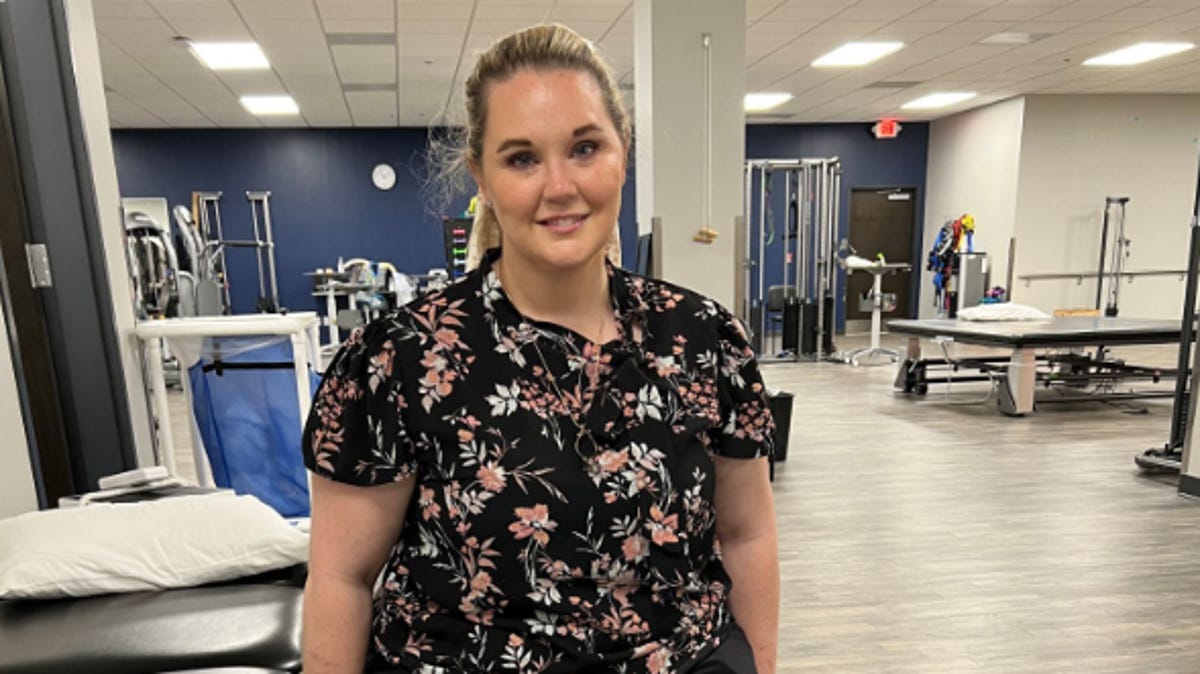
Three weeks after Sophia Bassan’s mastectomy, she felt a stabbing pain beneath her right armpit. In the following months, painful shocks radiated through her chest and back. Her body became so sensitive that at times she couldn’t wear a shirt or lift a fork to her mouth.
Bassan slept sitting up because it hurt to lie down, and she would flinch at the slightest touch.
“I remember thinking I was losing my mind,” said Bassan, 43. “One time I was in so much pain that I had to take off my top, and then my cat’s tail brushed against my back. I screamed.”
Mastectomies are lifesaving surgeries that remove a patient’s breasts to treat breast cancer, which affects 1 in 8 American women over their lifetimes, according to the American Cancer Society. Some women also undergo mastectomies as a preventive measure after a genetic test shows they have an increased risk for breast cancer.
In the months following surgery, many women are afflicted by post-mastectomy pain syndrome, or PMPS, which spans from uncomfortable to disabling and can last years.