From schools in Ghana to workplaces in Britain, underpinned by the colonial roots of ‘respectability’, conversations around natural hairstyle persist
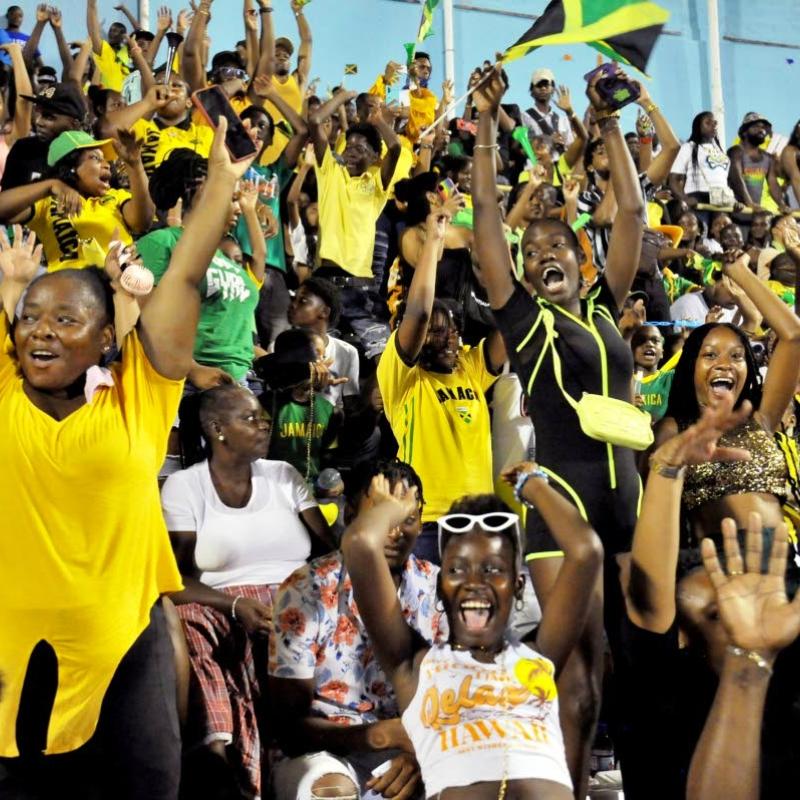
Last month a Jamaican woman said her teenage son had been pulled from lessons because school staff had deemed his afro hairstyle inappropriate.
“The dean of discipline called me to state that my son has been removed,” Michelle Scott said. “You’re telling me that you took him, a fifth-form student, out of classes to go and get a haircut?”
The school, Ardenne high in Kingston, Jamaica, denied the boy had been removed from class, but said he had been spoken to about the “alleged infraction”. According to Jamaica’s school grooming guidelines: hair must be neat, clean and well-maintained at all times.
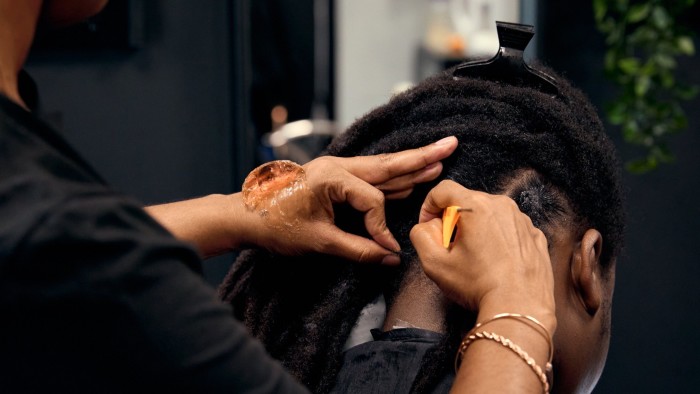
Disputes over natural Black hairstyles continue to surface throughout the African and Caribbean diaspora, raising questions about the extent to which grooming rules, rooted in colonial ideas about “neatness”, still shape how Black hair is treated in workplaces and classrooms.