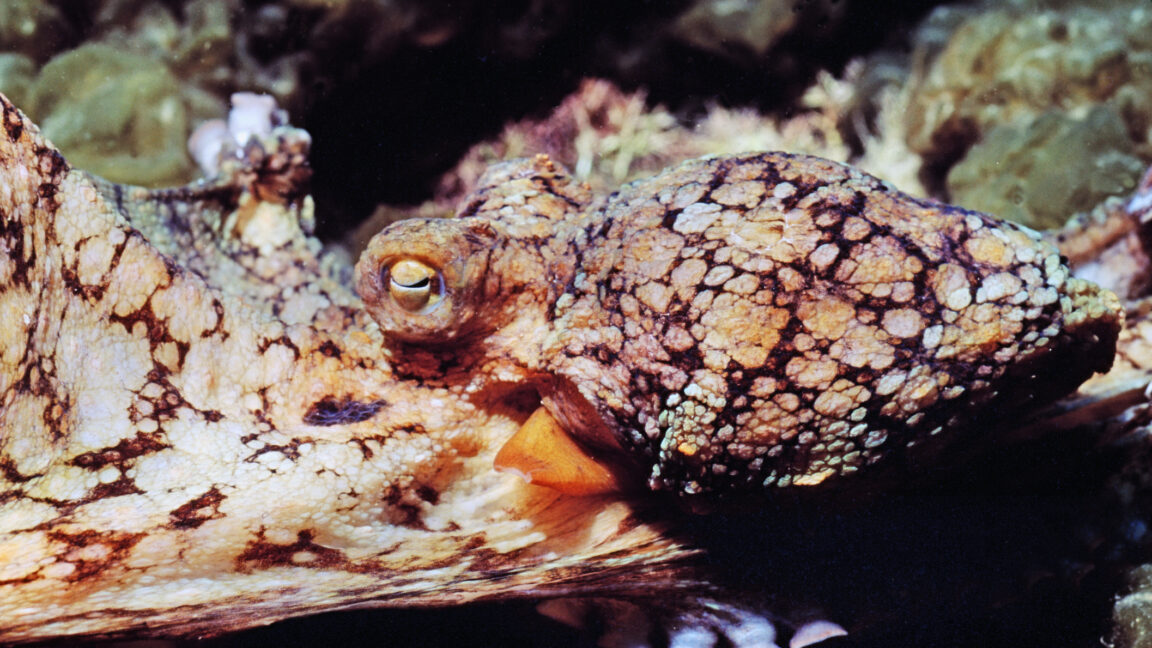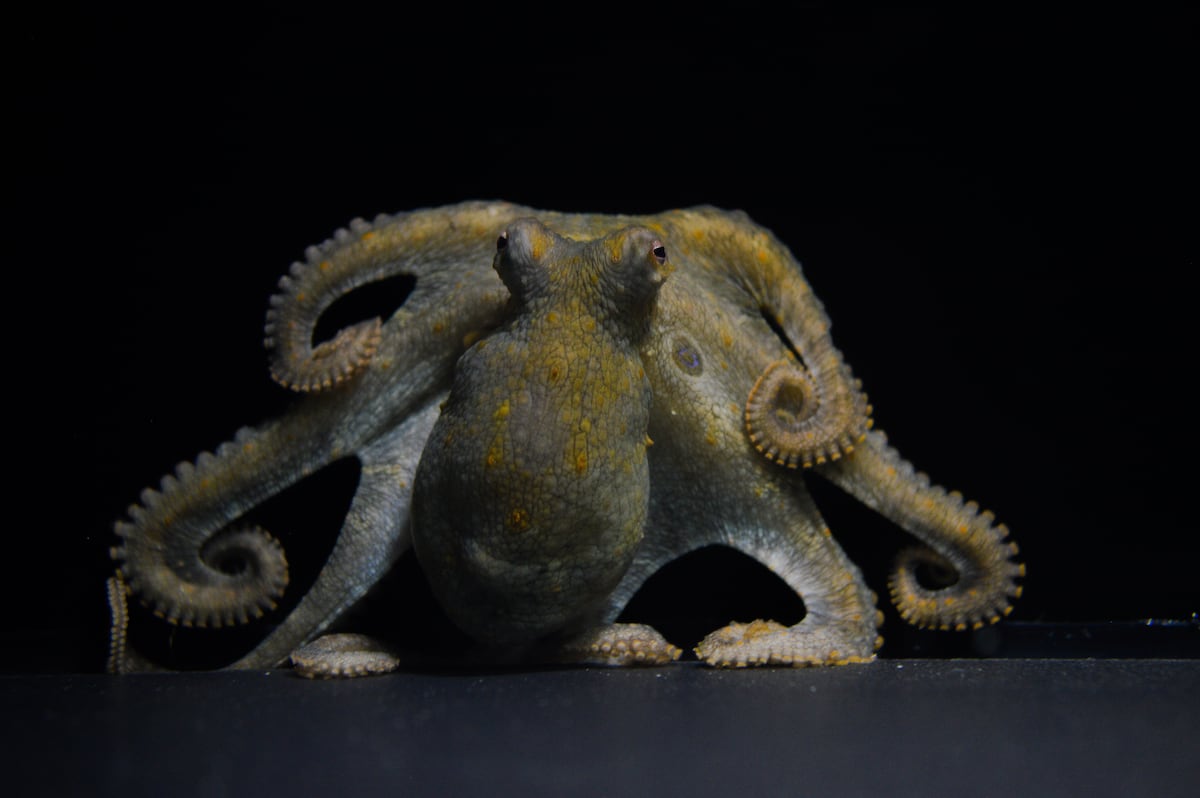
Sensory organ in male cephalopod able to detect female hormone progesterone, even if male cannot see partner
Sex might seem an intimate act, but scientists have shed fresh light on how octopuses manage it at arm’s length.
Male octopuses use a specialised arm called the hectocotylus to place a package of sperm inside the female’s reproductive system.
But how this arm detects a mate, or delivers the sperm to the right location, has remained unclear.
Now scientists have found the arm is a sensory organ, similar to a tongue, that can detect the female hormone progesterone. This allows it to seek out and fertilise a mate, even if the male cannot see its sexual partner.