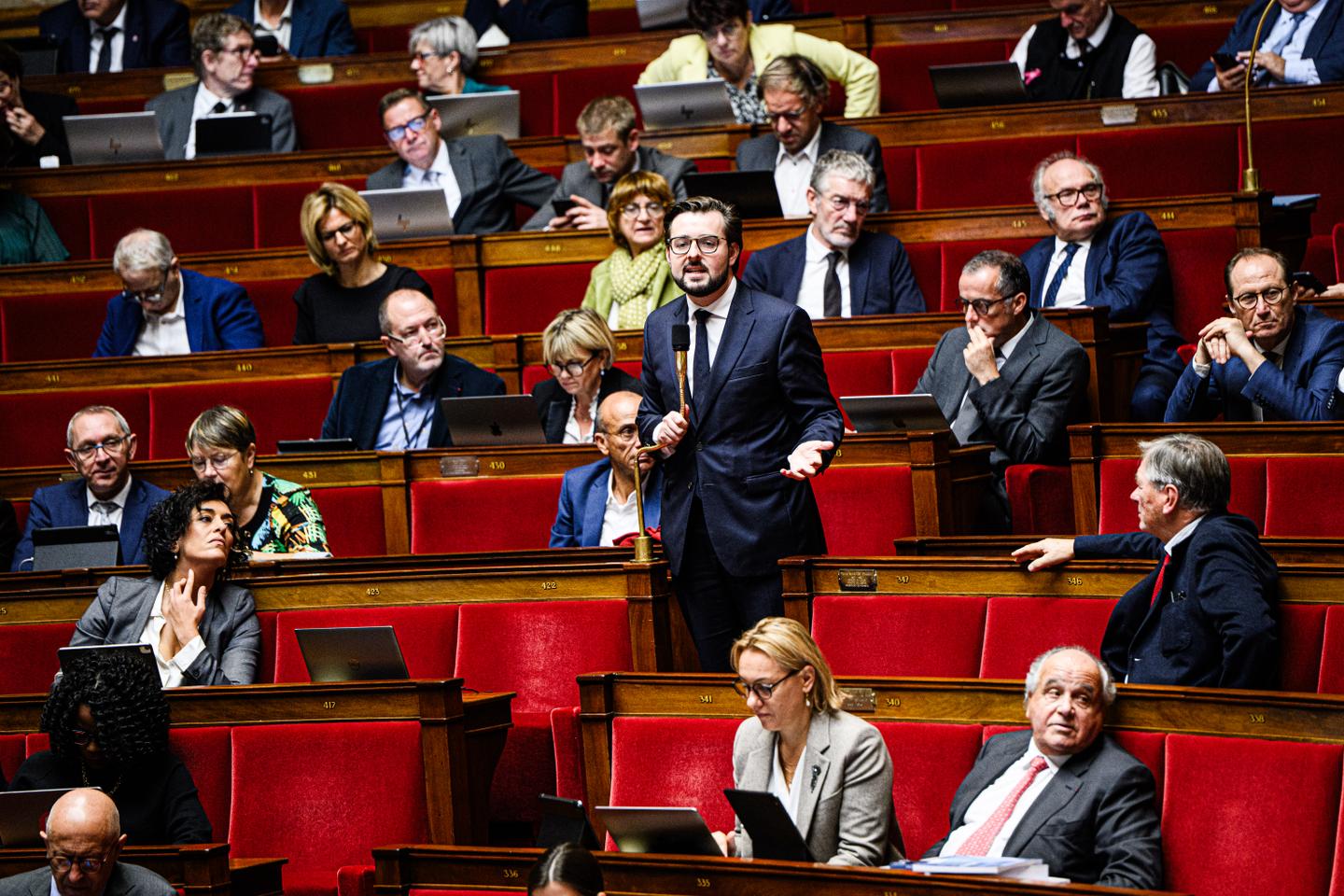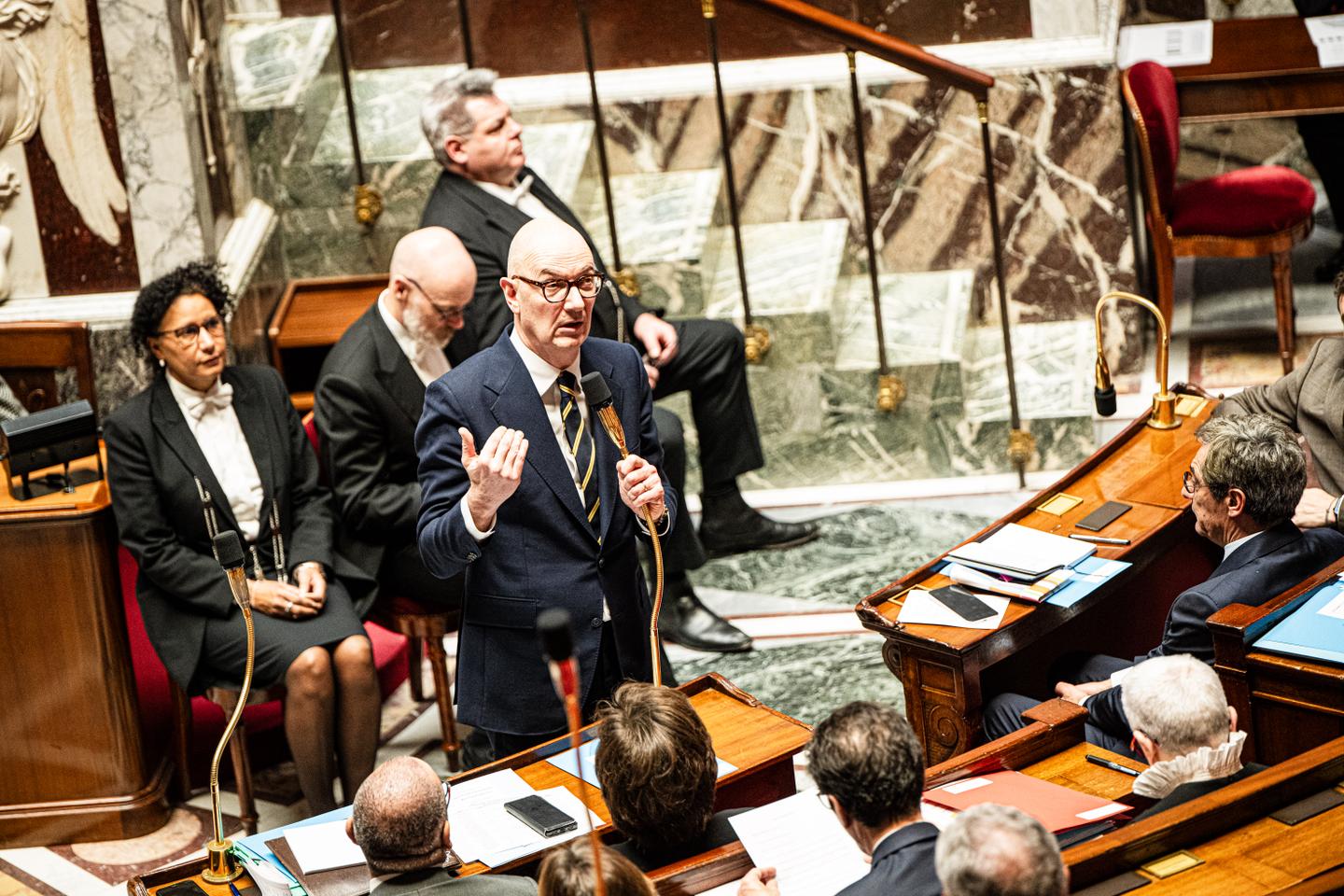
Claude Raynal and Jean-François Husson during a fact-finding mission on the deterioration of public finances since 2023 at the Sénat in Paris, November 8, 2024. STEPHANE DE SAKUTIN / AFP
Some refer to it as a gray area, tax optimization or even "over-optimization," sometimes more or less "aggressive." But for tax officials from France's Ministry of Finance, there is no need to quibble: Thousands of wealthy French citizens pay no income tax often because they have fraudulently reported income below what they should have declared. Authorities must then correct the returns and sometimes impose penalties.
Striking figures released on Wednesday, April 1, by Sophie Maillard, head of the studies and tax statistics department at the General Directorate of Public Finance, provide evidence of this. Questioned by the Assemblée Nationale's committee of inquiry on the taxation of the wealthiest, this senior official first confirmed that more than 13,000 households with real estate assets of at least €1.3 million, and therefore subject to the real estate wealth tax, paid no income tax in 2024.
The surprise followed immediately after. "Between a quarter and a third of these tax households have been audited over the past three years," explained Maillard, citing data from her colleagues in tax enforcement. Of these audited households, 58% were reassessed, she said. This amounts to between 1,900 and nearly 2,600 reassessments in this relatively small group. Nearly six out of 10 audited households had to pay back taxes, with late payment interest and surcharges where applicable. Before the wide-eyed gaze of the few lawmakers present, Maillard acknowledged a 58% adjustment rate: "Yes, that is very significant."