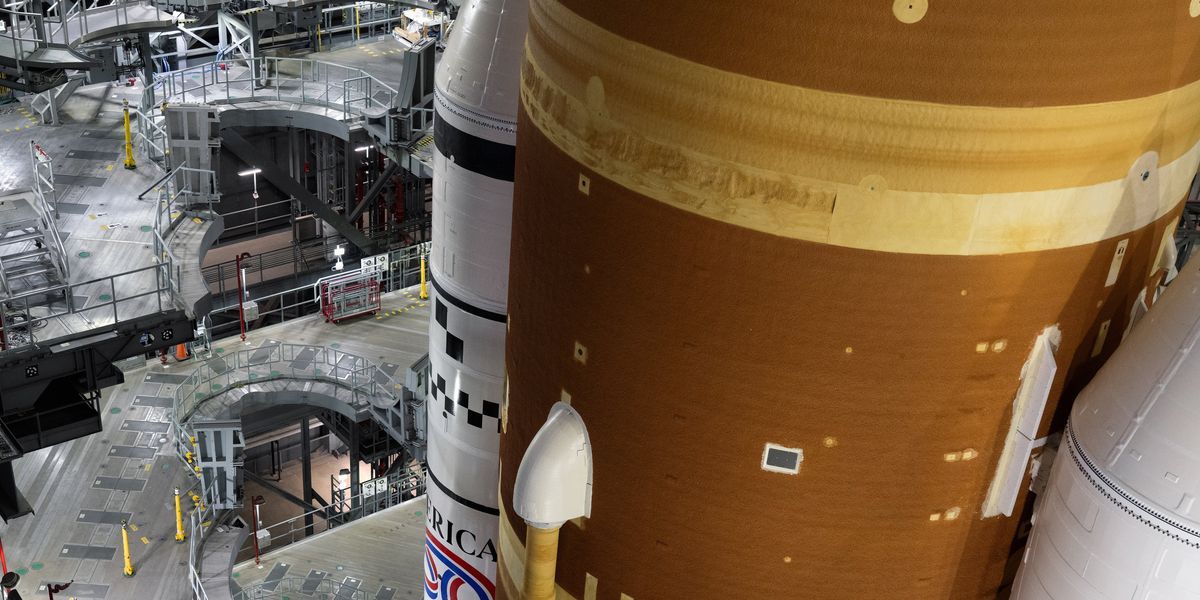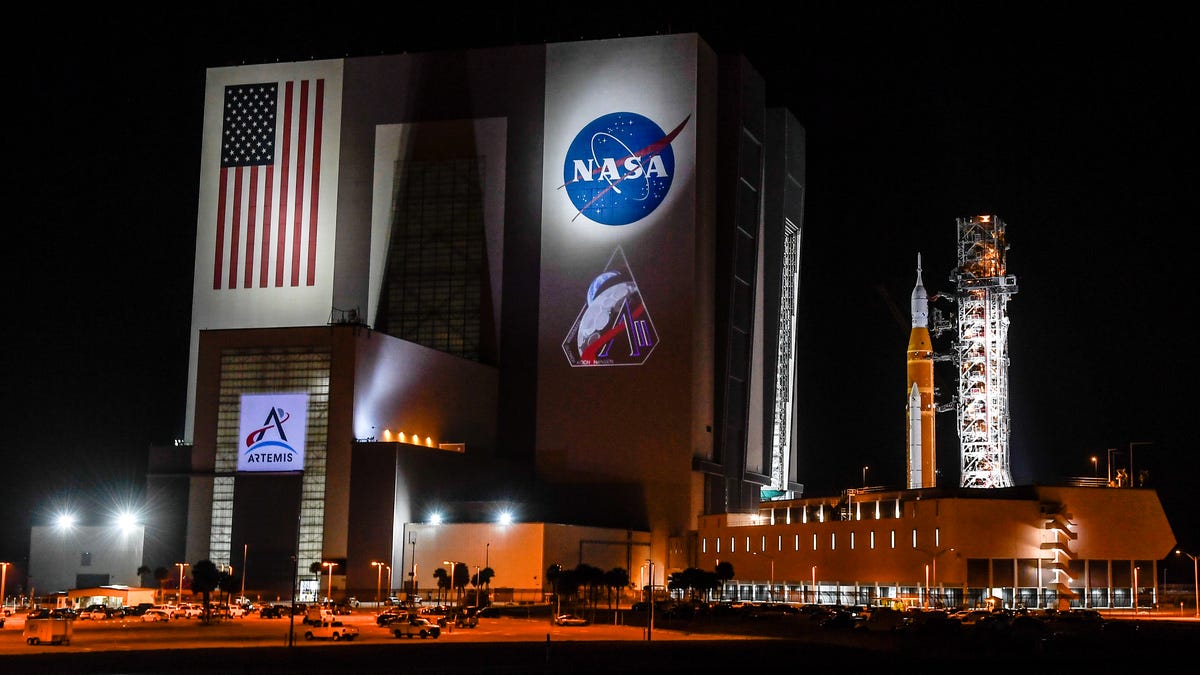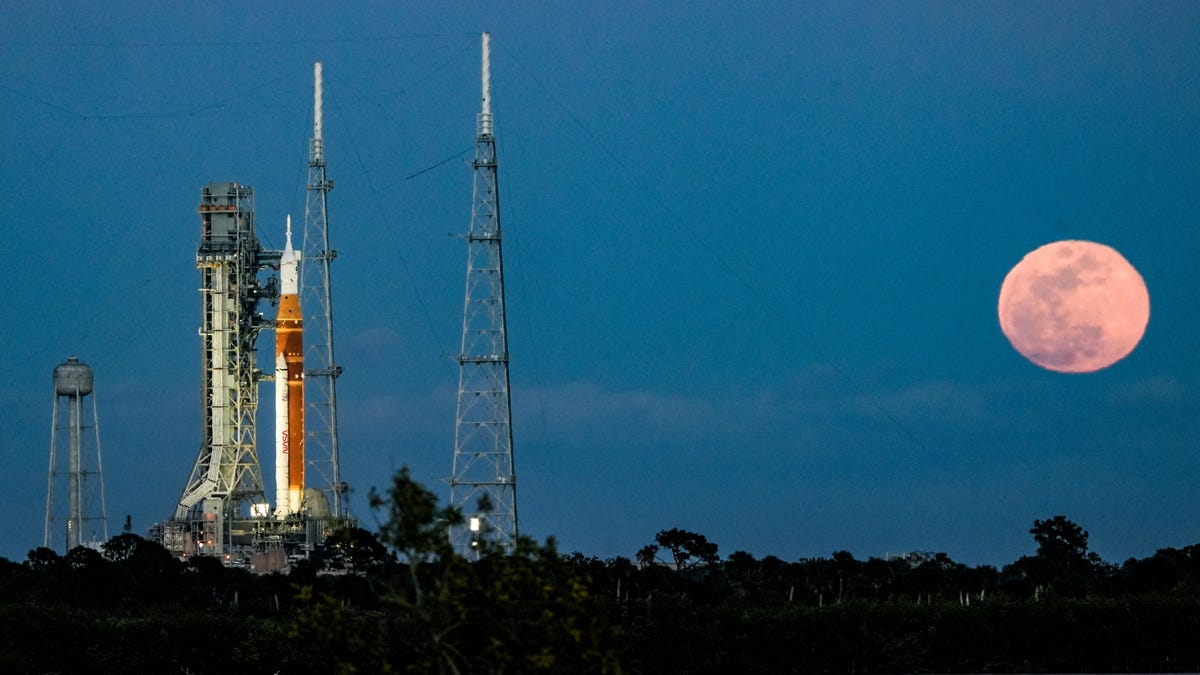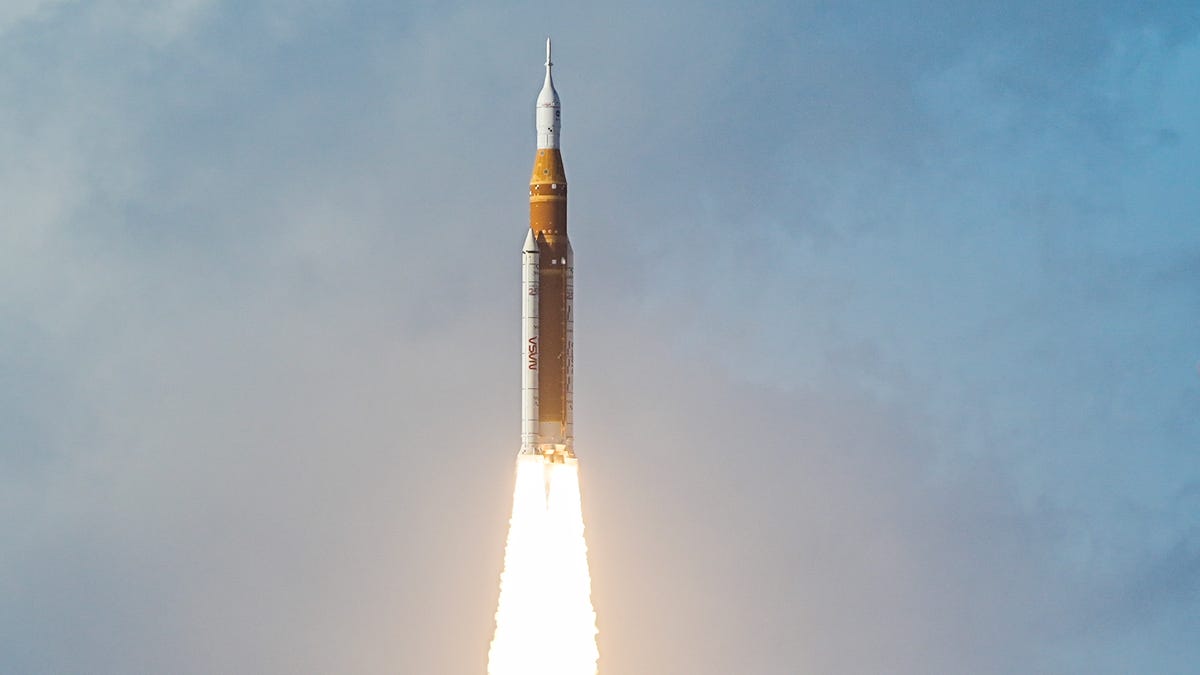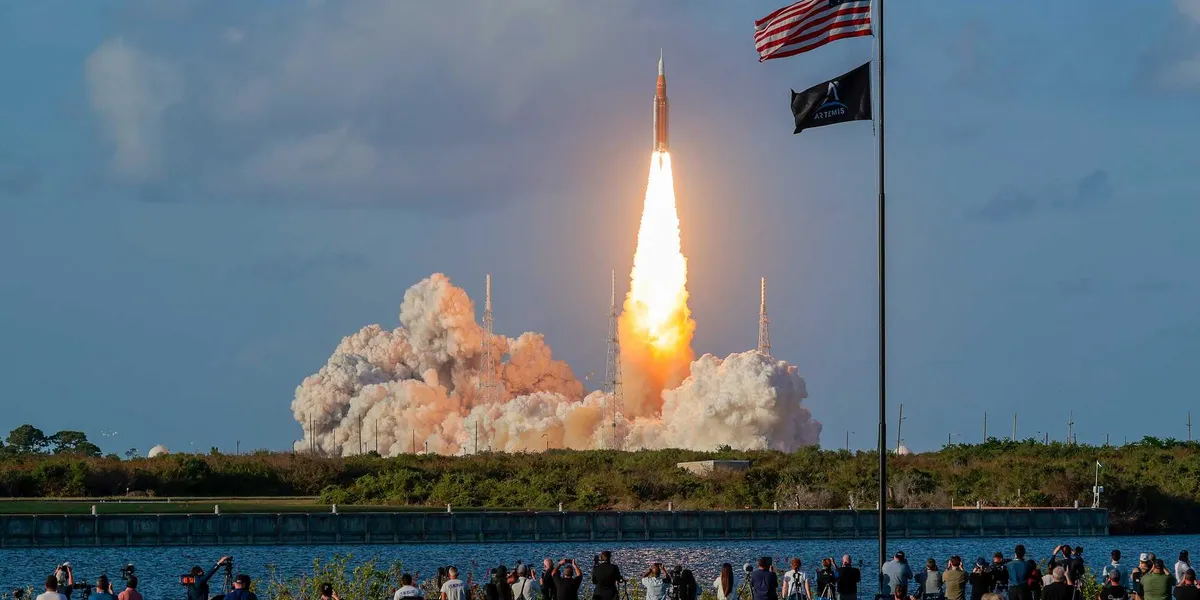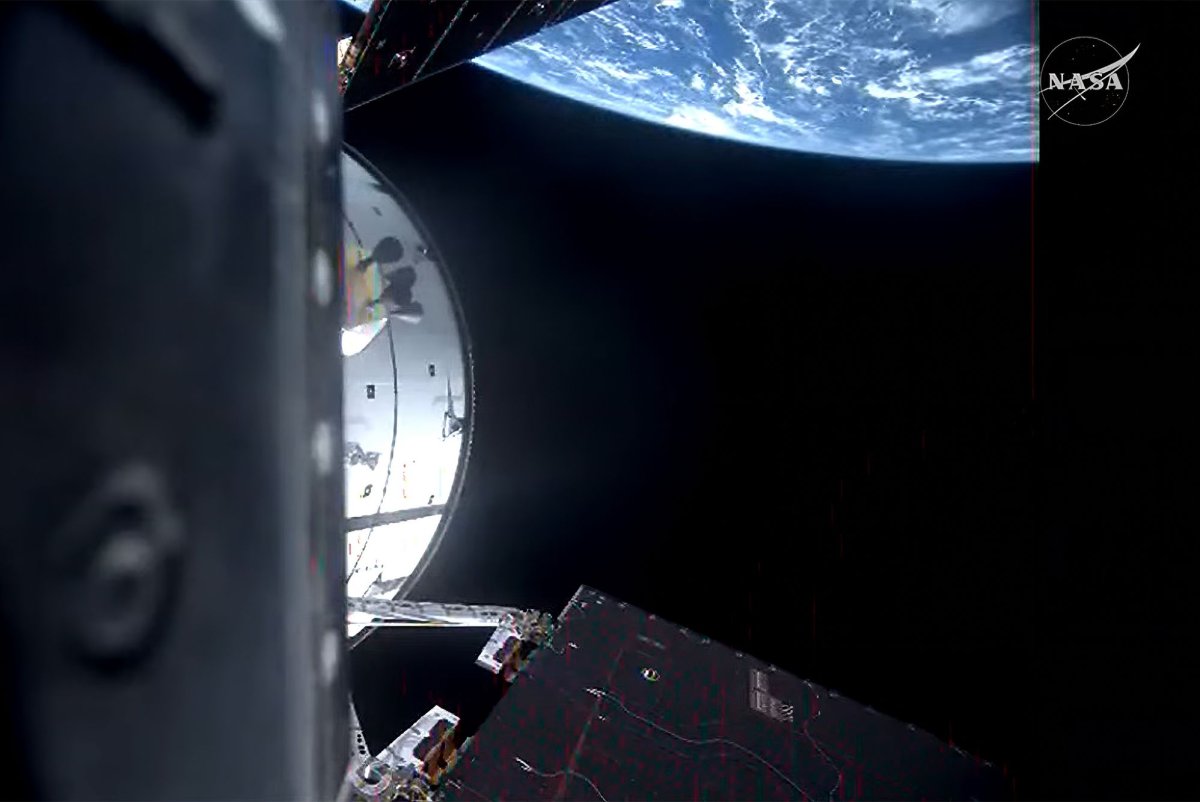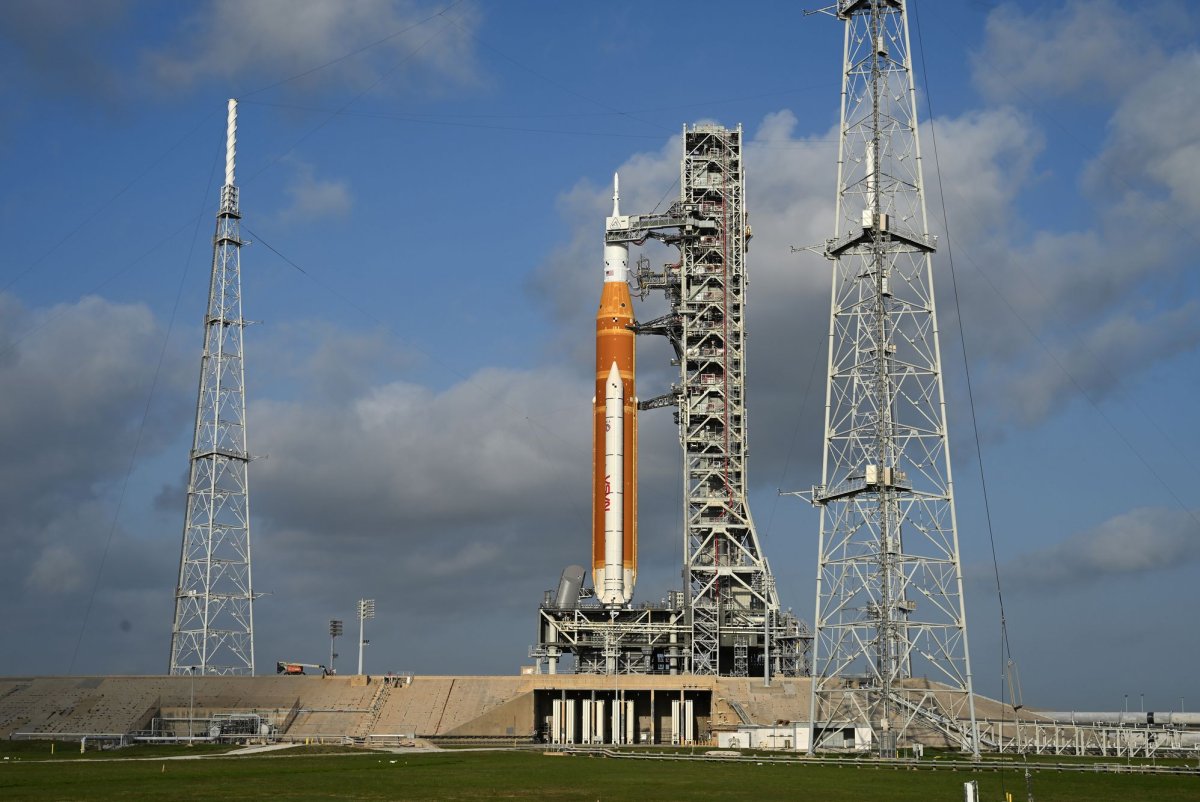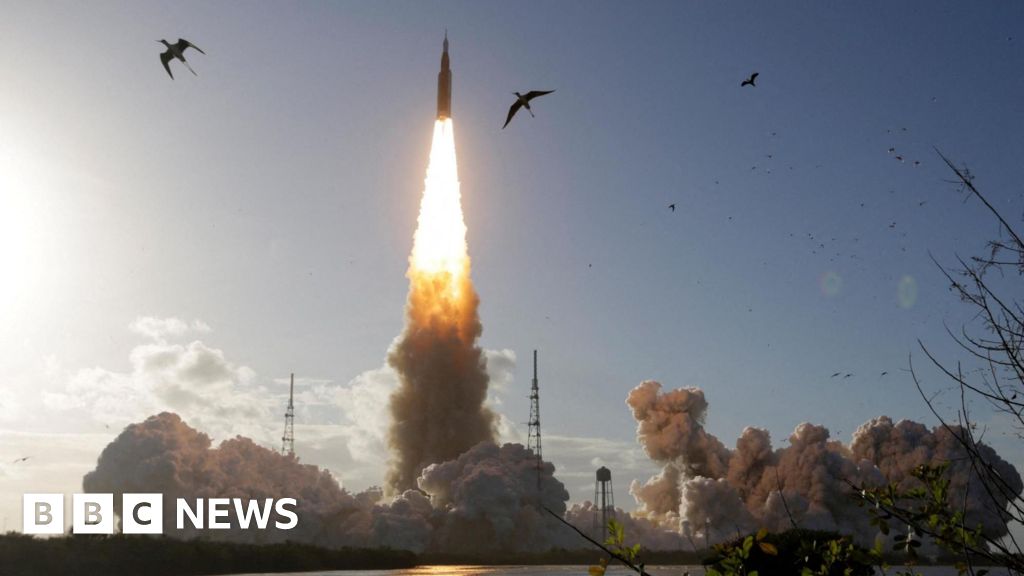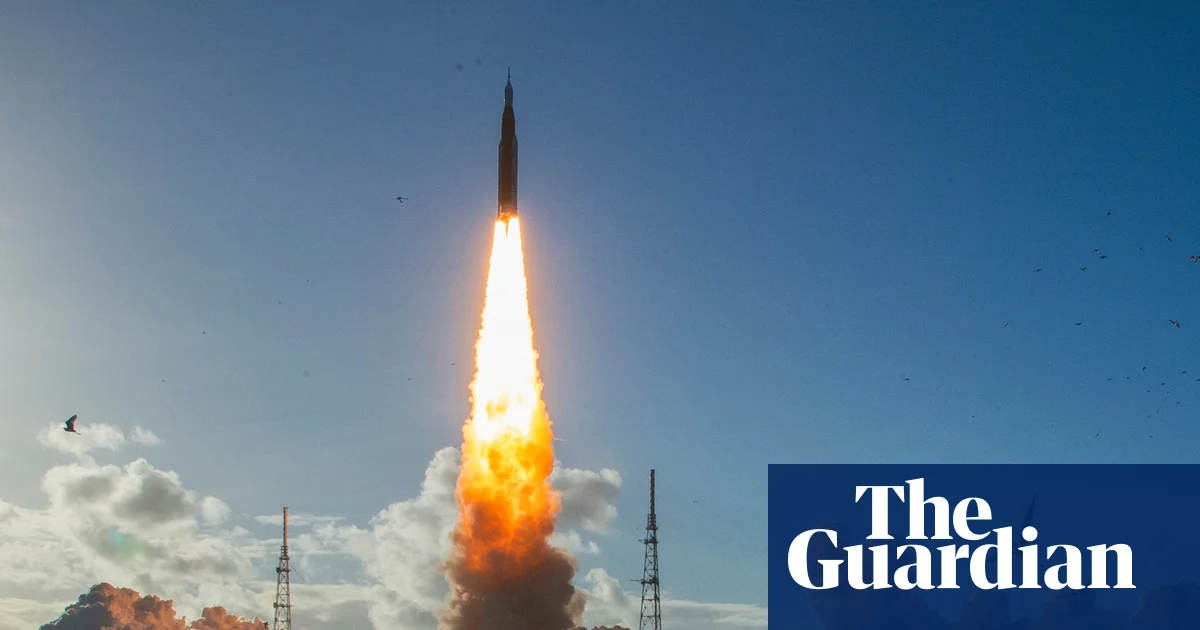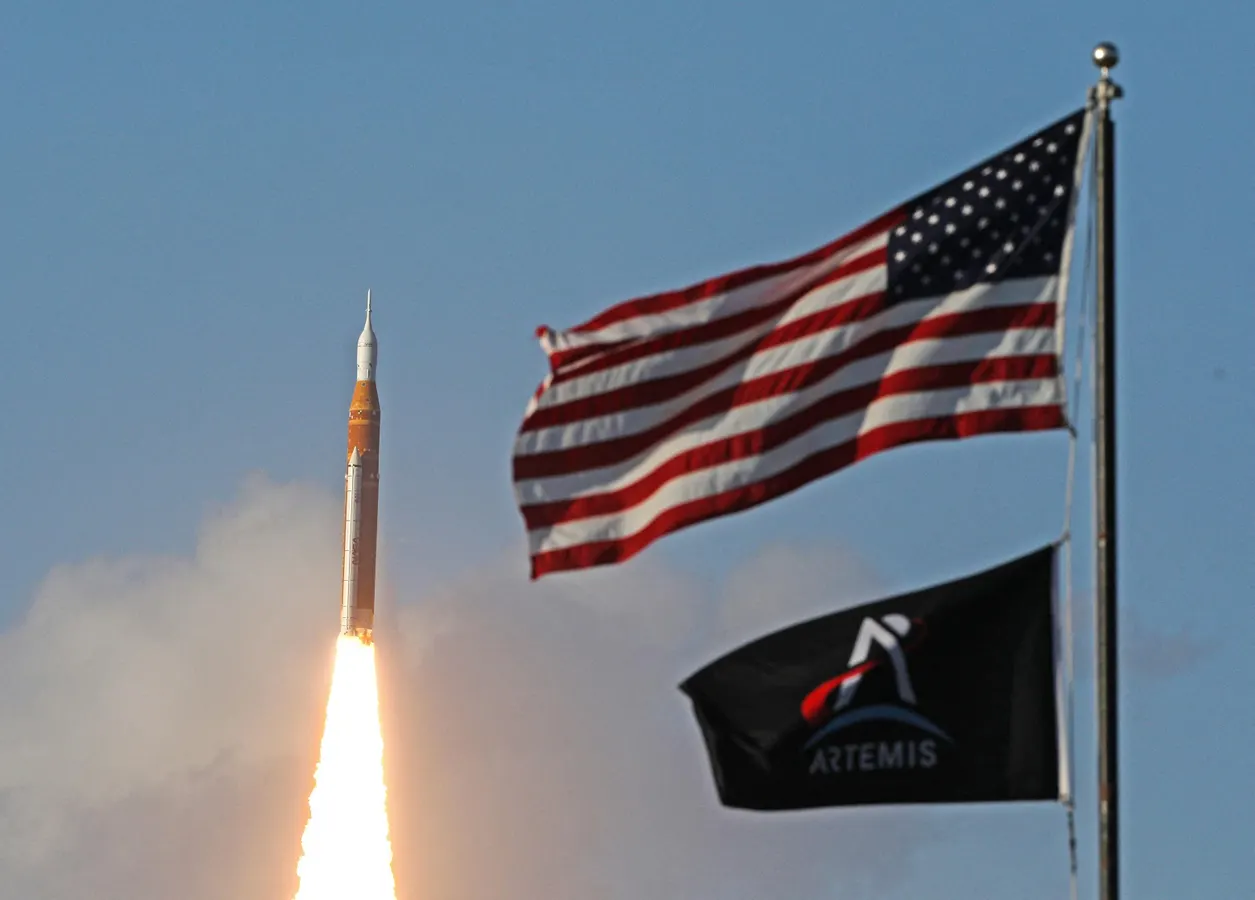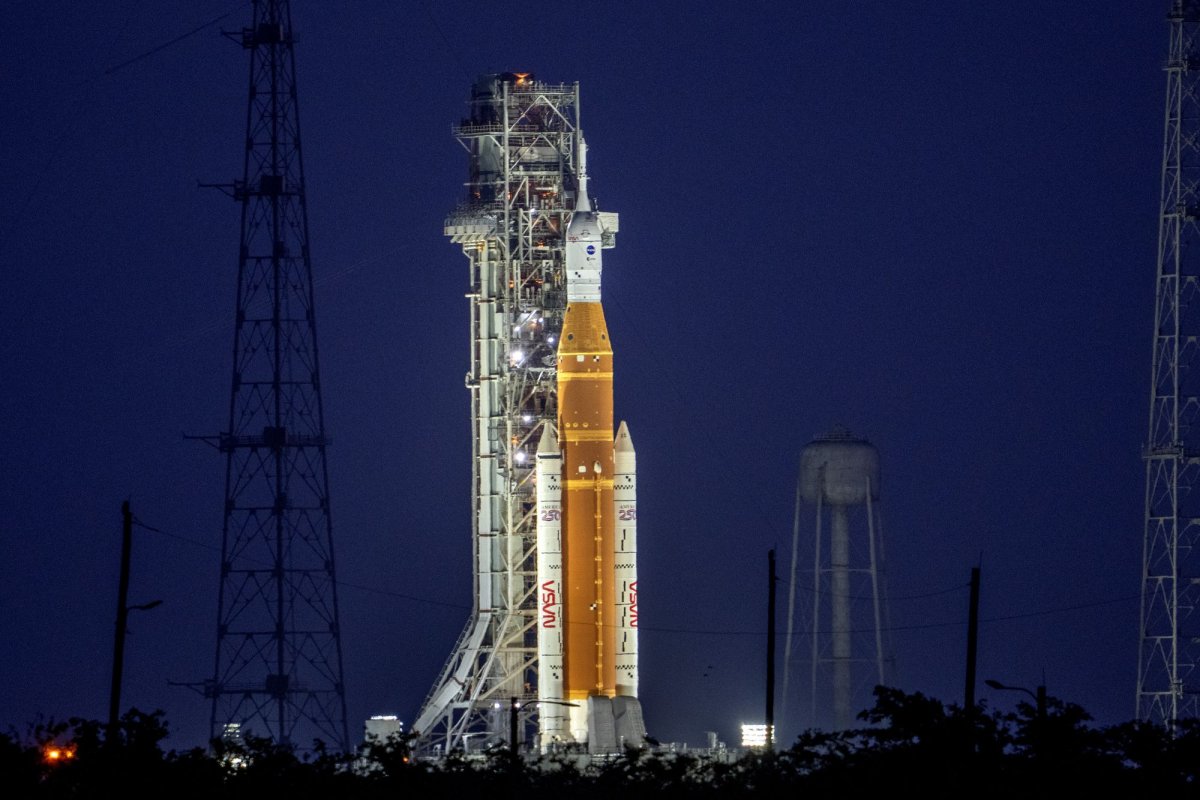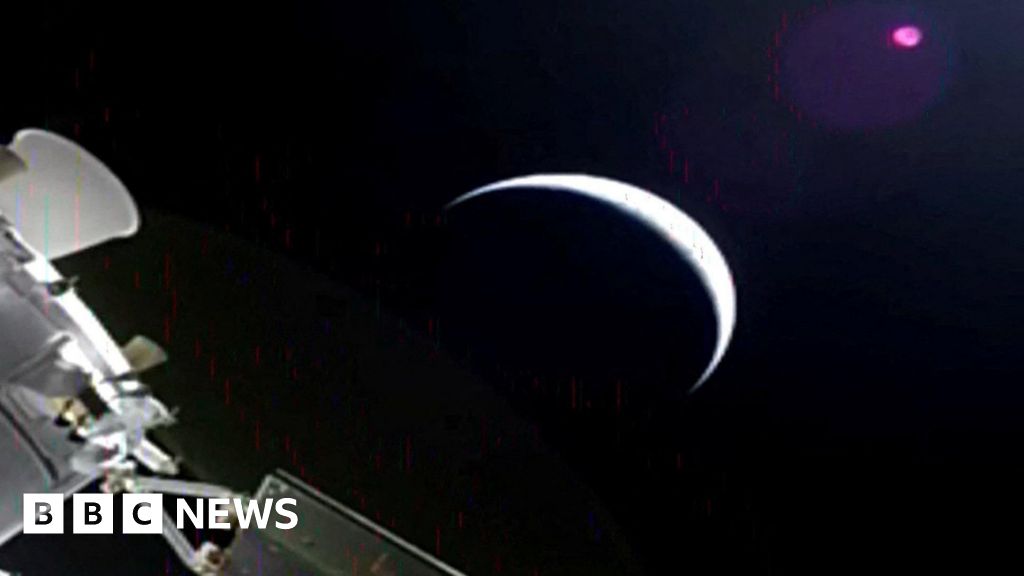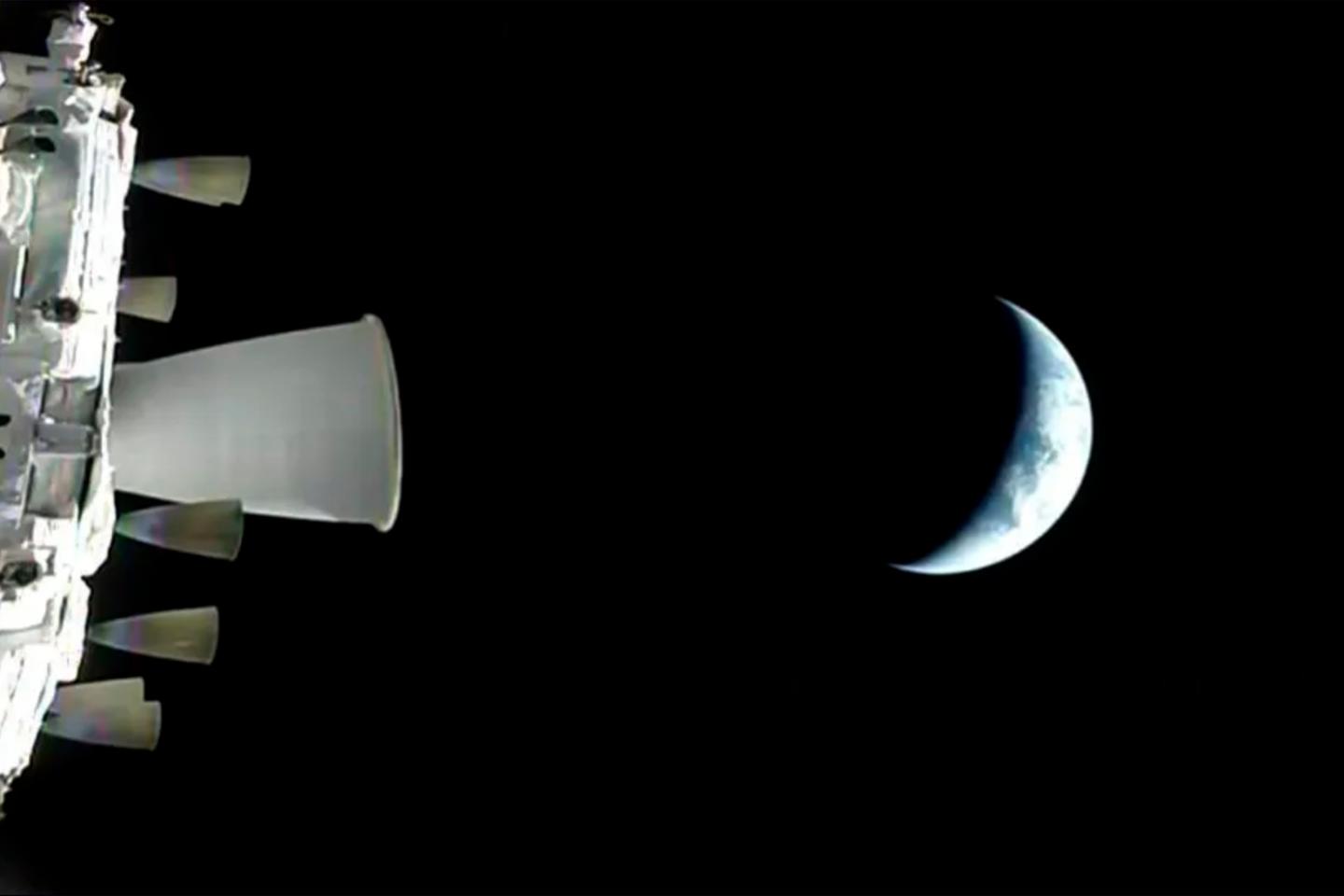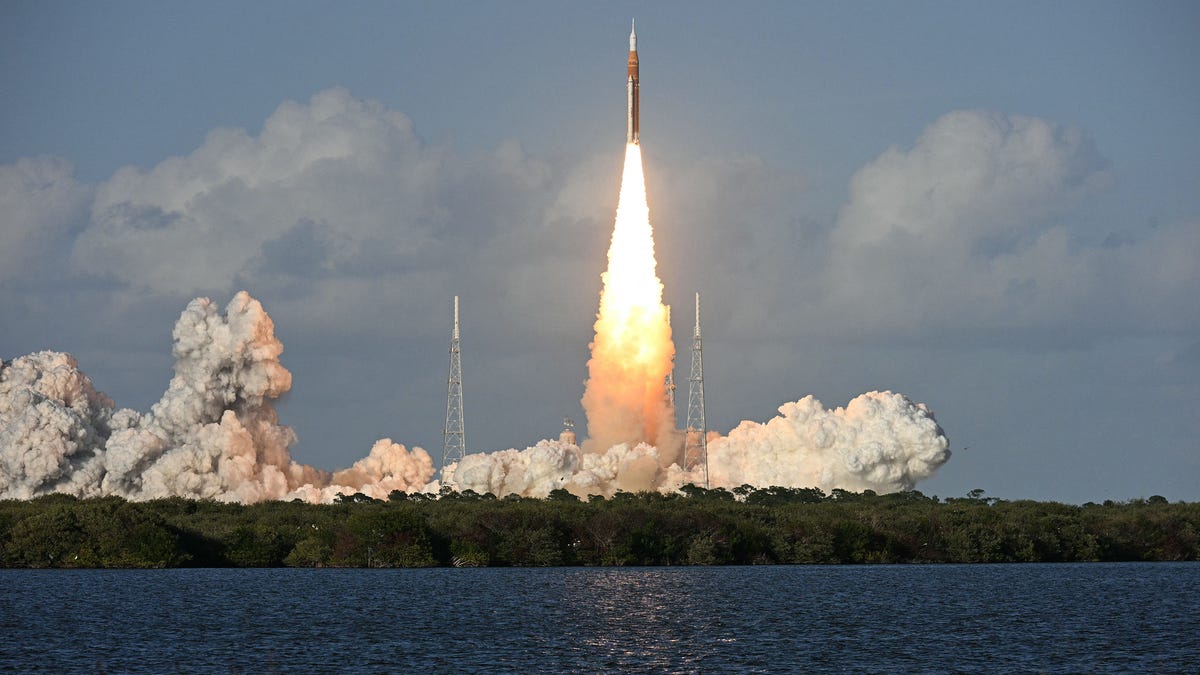
After two major delays, NASA made history on April 1 and launched a crew of four astronauts on a 10-day expedition around the moon and back.
The Artemis II mission, which is the second under NASA's multibillion-dollar moon program, is a major milestone for the space agency — marking the first crewed deep-space flight in over 50 years. Artemis II crew members are expected to travel "farther from Earth than any previous human mission," according to NASA.
The expedition will send the crew about 252,000 miles into space, which may break the record set by the Apollo 13 mission in 1970, when it was roughly 248,000 miles from Earth, USA TODAY previously reported.
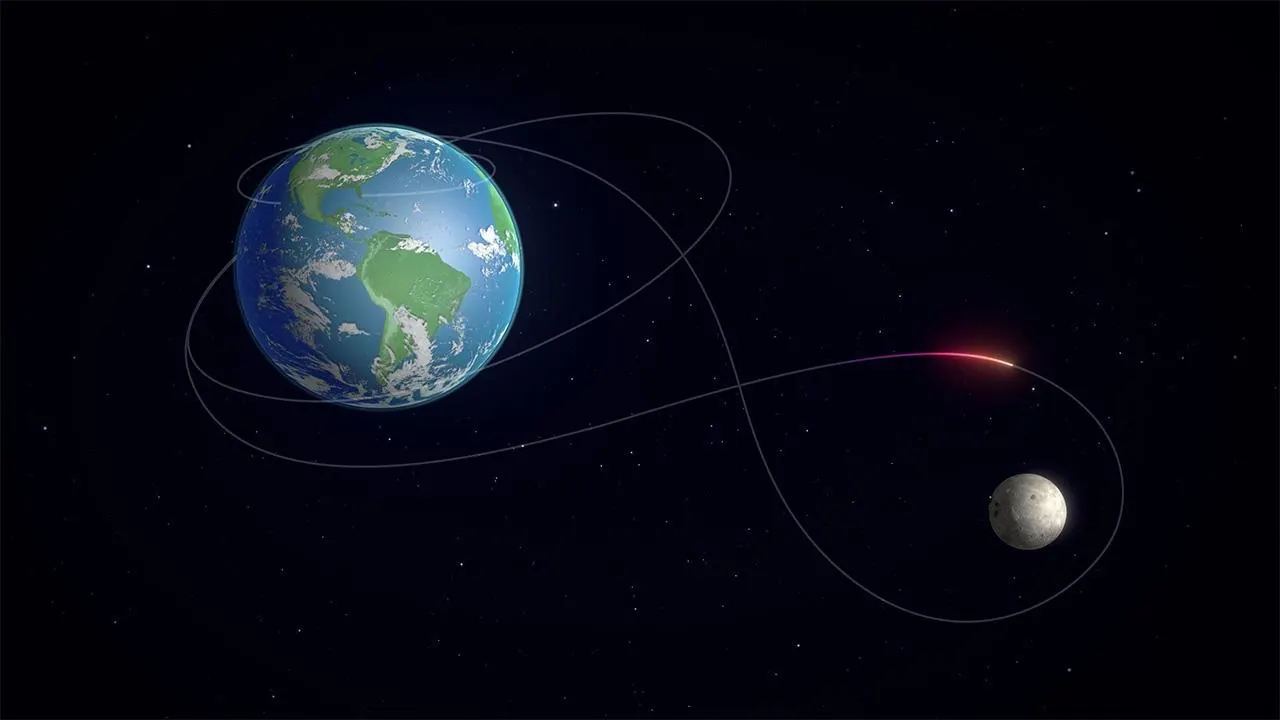
"This milestone will occur during the lunar flyby phase, when the crew travels on a free-return trajectory around the Moon, which allows the spacecraft to loop around the Moon and return to Earth without entering lunar orbit," NASA said.
While the crew will not land on the moon, NASA said the lunar flyby mission is designed to test life support systems and critical operations, paving the way for future moon landings and Mars exploration. The mission is expected to last about 10 days, with the crew reaching the moon's vicinity around day five or six before returning to Earth for splashdown in the Pacific Ocean.