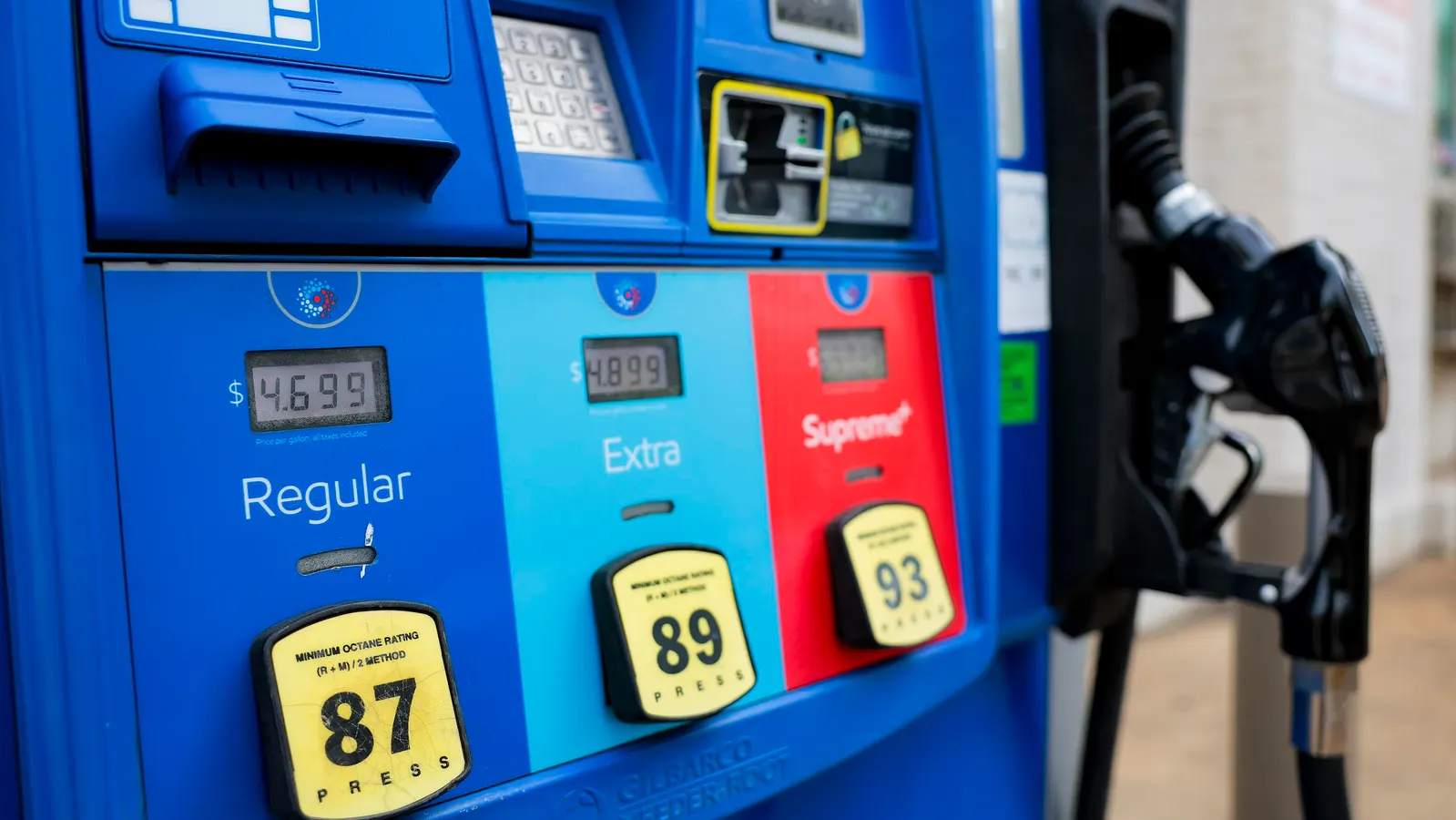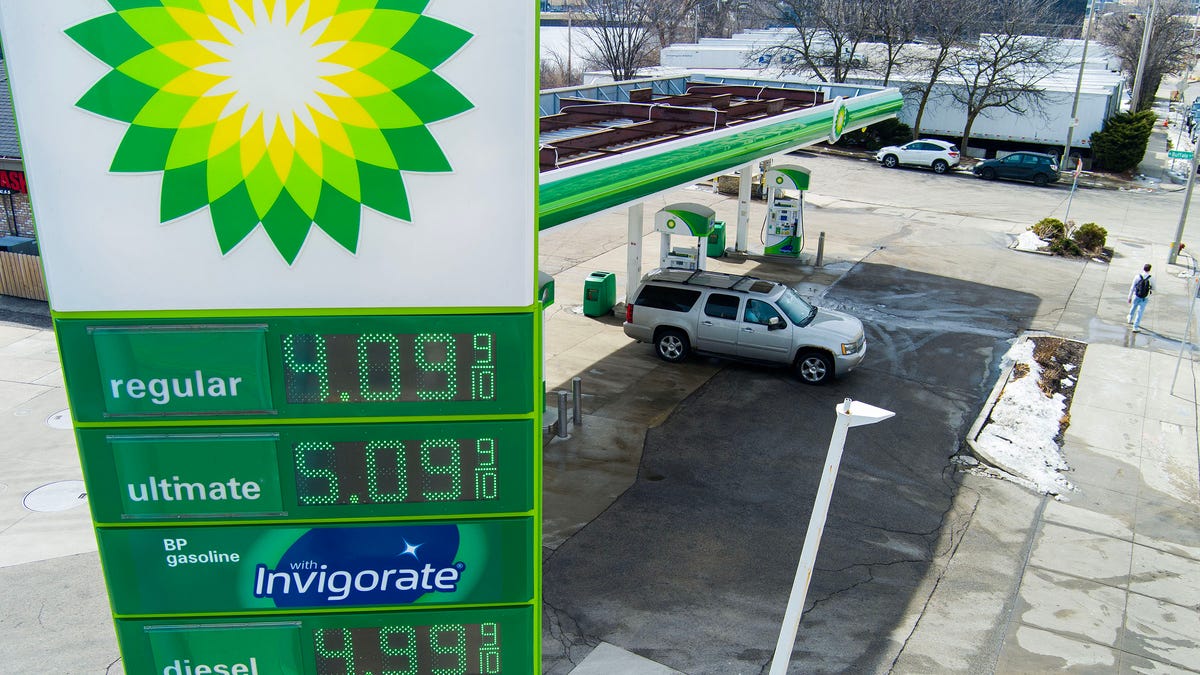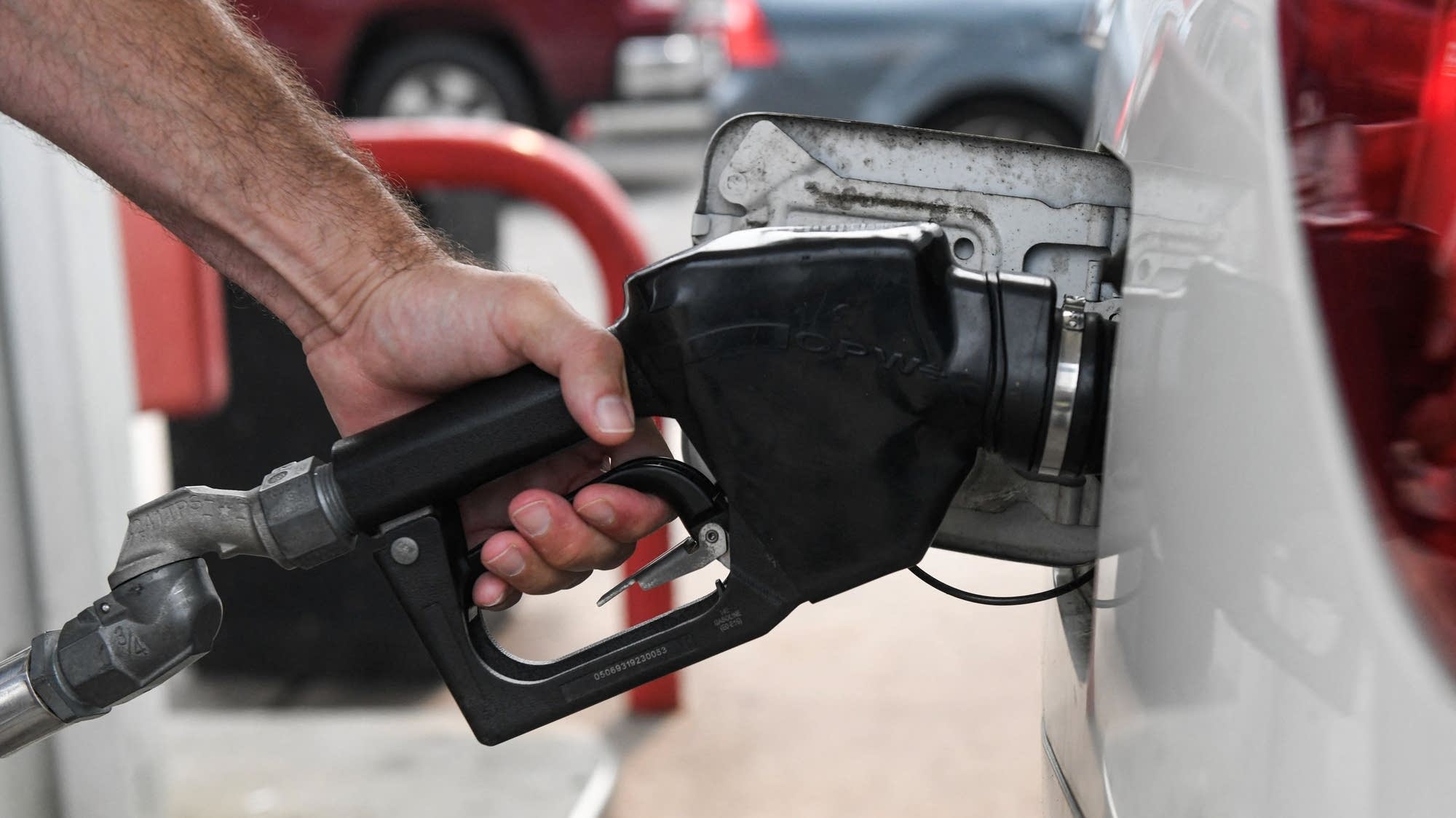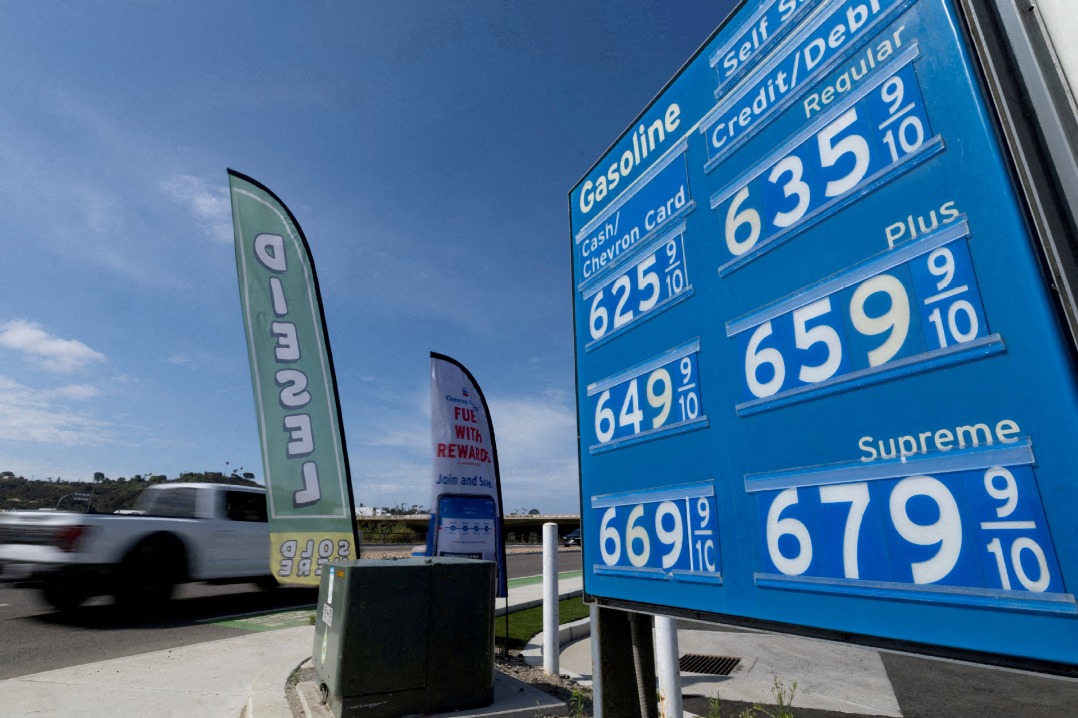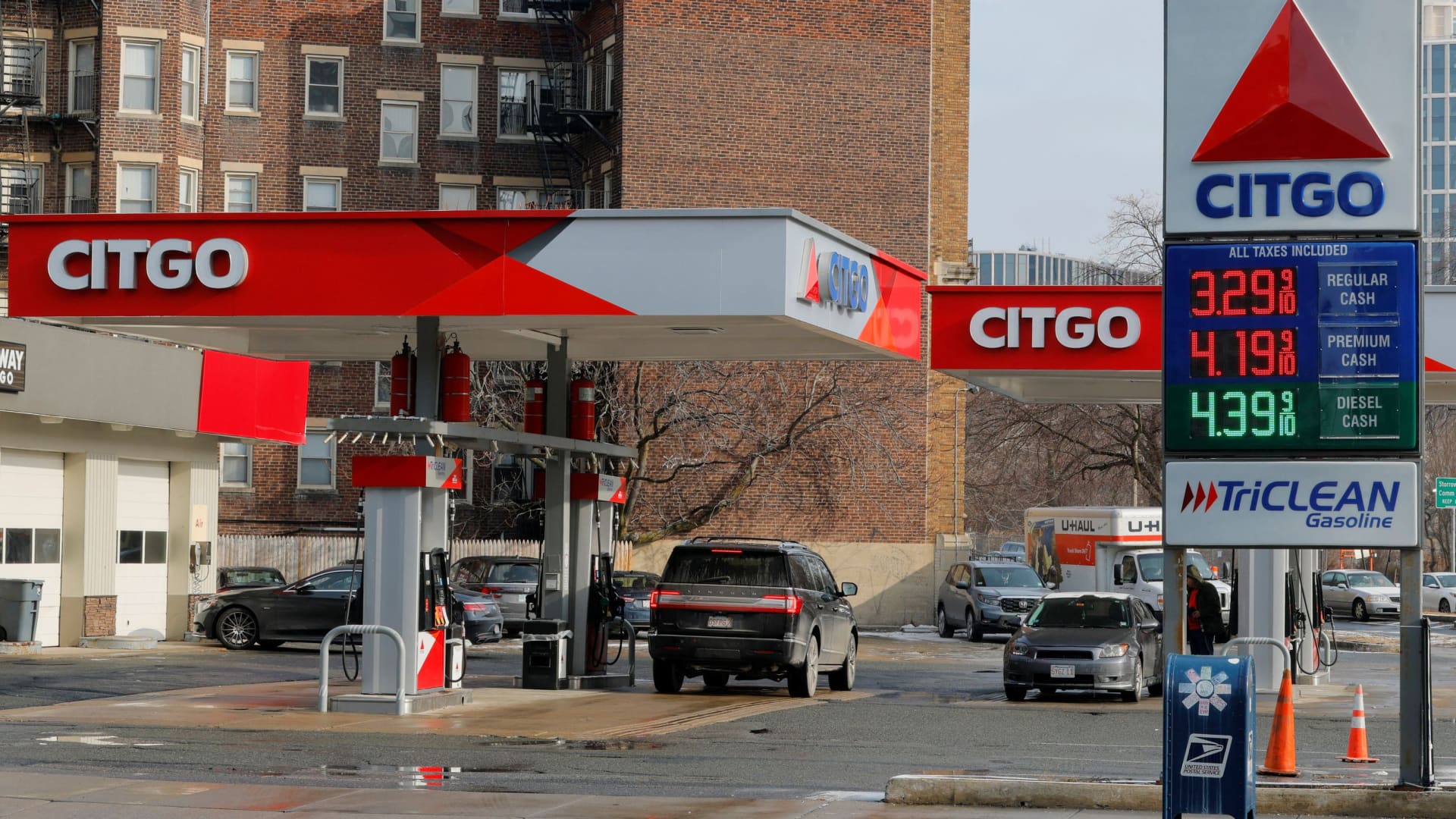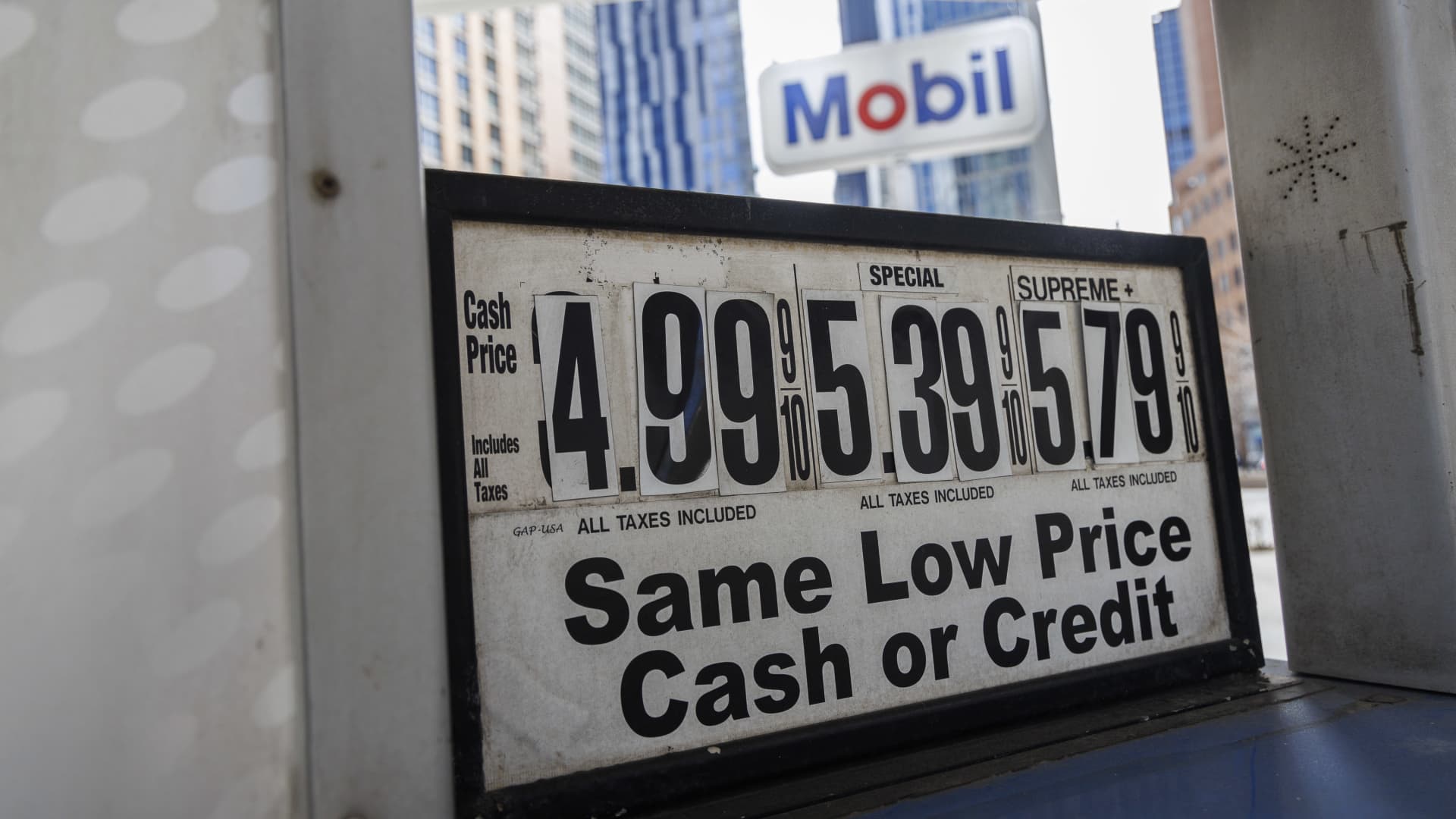
Gas prices have spiked more than 30% since Feb. 28, when the U.S. and Israel started the war with Iran. The national average price per gallon is over $4 as of March 31, according to AAA.
The Strait of Hormuz, which is effectively controlled by Iran, is one of the world’s most important oil passageways, with 31% of global crude oil flows moving through the waterway, according to data from market intelligence firm Kpler. Iran has blocked the strait since the beginning of the war, causing a major disruption to the global oil supply chain and, as a result, higher gas prices around the world.
Rising gas prices may add stress for Americans already struggling through the ongoing affordability crisis. Some may face tough choices as they need to put gas in their cars to get to work or shuttle their kids to school while prices for groceries and other essentials remain elevated.
Others may be better equipped to handle the shock of higher gas prices, but still look for ways to save.
“For higher earners, rising gas prices are a headline. For lower and middle earners, they’re a line item that directly affects financial stability and daily life,” says Chris Jackson, a certified financial planner based in Charleston, South Carolina.