For most of my adult life, I’ve enjoyed a relatively straightforward tax situation. In most years, I merely made sure the income from my W-2 was correct and clicked through my preferred tax software’s questions to the end. No dependents, no side hustle income, no property in my name.
This past year was a little different. After years of buying stock through my company’s employee stock purchase plan, I sold the majority of my shares to begin raising funds for my upcoming wedding.
There are some relatively tricky rules around selling these shares, but the gist is, these plans allow employees to buy stock at a discount to the actual share price. So determining how much money you made (in which case you owe capital gains tax) or lost on the sale of your shares requires some calculations.
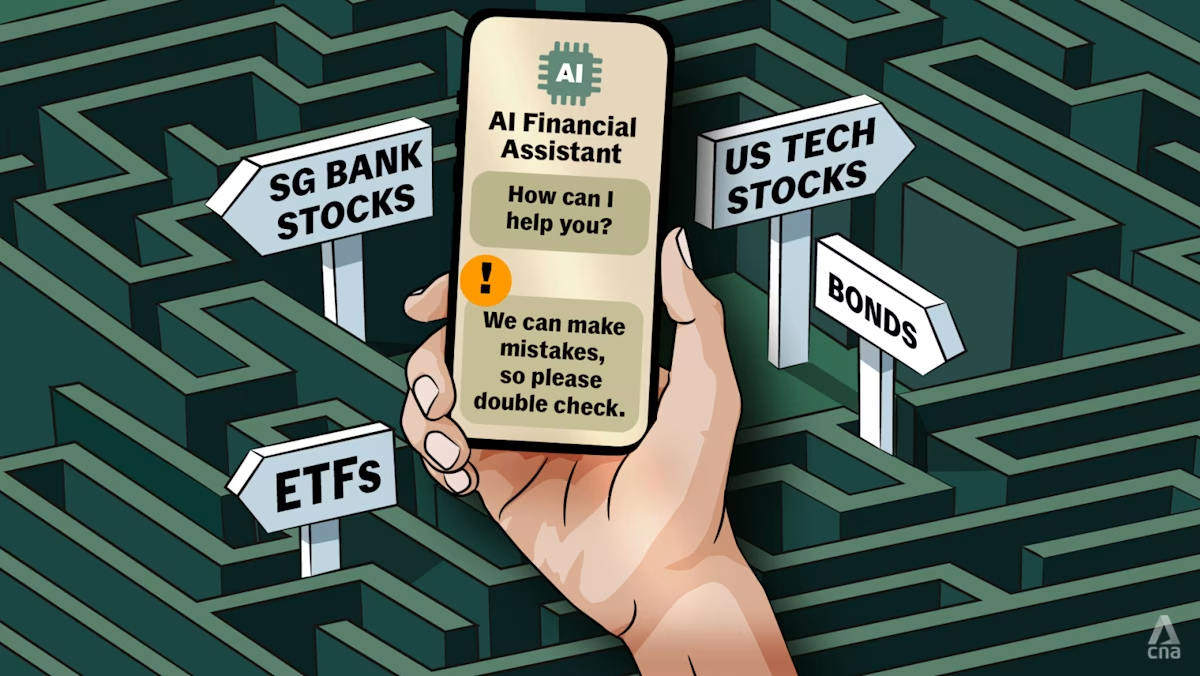
So I did what about 1 in 5 taxpayers are doing these days, per a recent survey from IPX 1031: I asked AI for help.
I did so skeptically. I’d seen enough stories about AI “hallucinations” — the industry term for when chatbots get things wrong — that I was half-expecting ChatGPT to make a mess of my taxes. Plus, it had only been three years since I’d put AI to the test on tax strategies and watched it flounder. It’s also worth noting that OpenAI’s usage policies caution against using its product to automate “high-stakes decisions in sensitive areas without human review.”