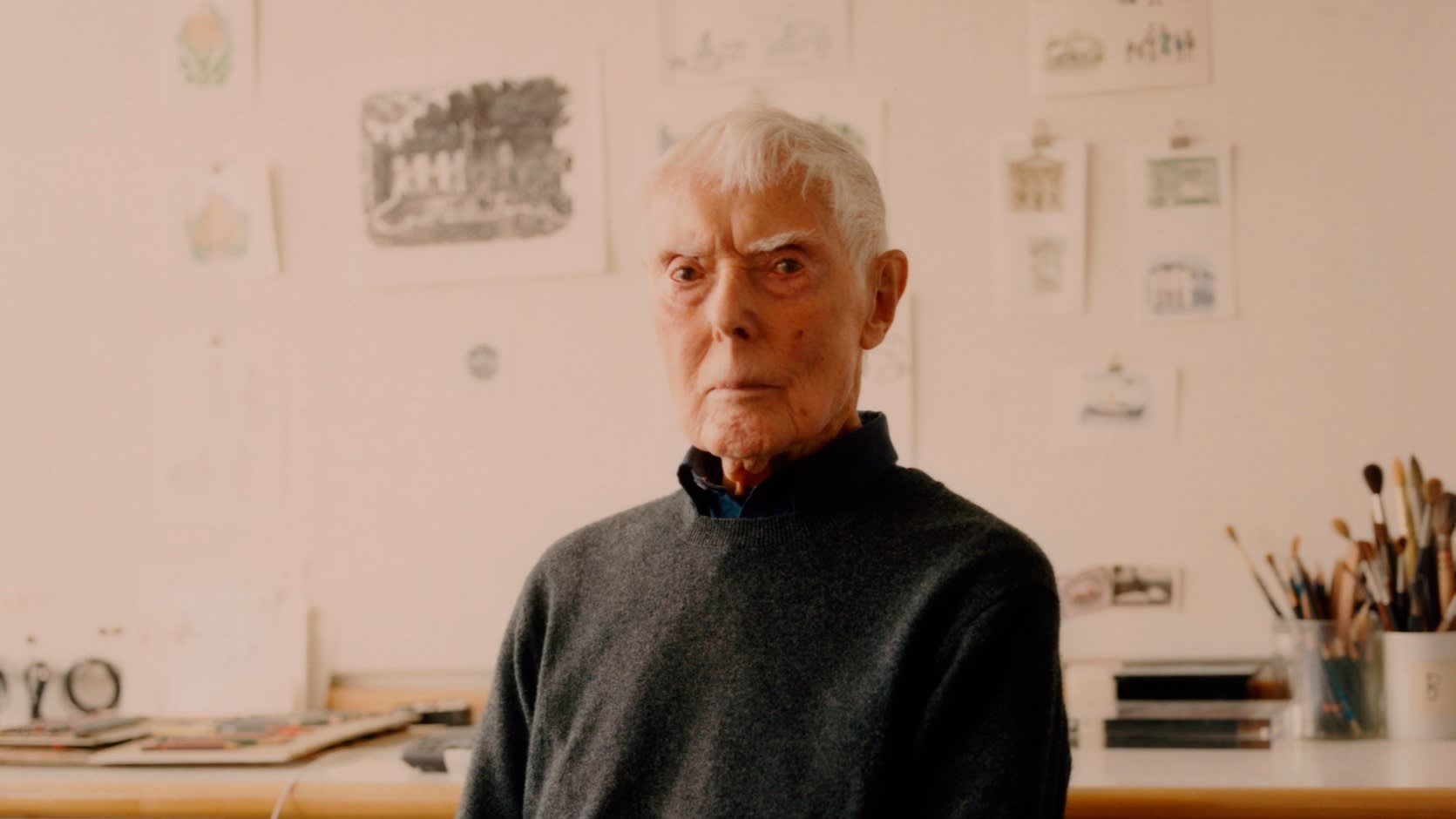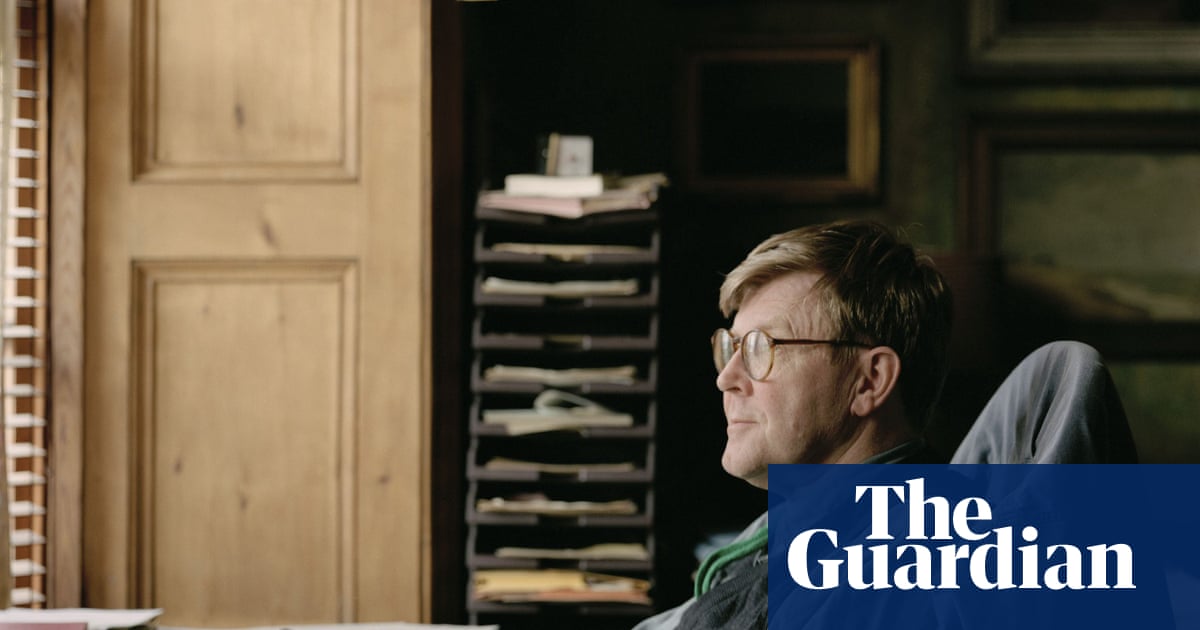
He has faced off a fighter jet, ridden a motorised bed and even been a Beano character. As he steps down, the mighty Guardian critic delivers his insights, confesses his crimes and relives his highs
A
fter writing about art at the Guardian for 30 years, I have been asked by my editor to reflect on what I have learned. I am not sure I’m capable of doing that. What I can do is write about what I have seen. Even when you are an eyewitness, things get murky very quickly, and critics are among the most unreliable of narrators.
An unknown woman at a table writes a letter we can’t see, while her maid reacts to something beyond the painted window. We can’t see what she’s smiling at either. How is it that Vermeer’s 1670-71 Woman Writing a Letter, With Her Maid, makes me feel somehow privy to its intimacies when almost everything that matters is withheld? You have to make it up. The stories come barging in, something you can’t quite imagine happening in such an ordered world.
Vermeer at the Rijksmuseum in 2023 was tremendous, one of those exhibitions that form the chain in my imagination leading from the past to the present, beginning with the big Goya exhibition at London’s Royal Academy in 1963, when I was 10 or 11. Since then, Goya has never left me. Édouard Manet at the Prado in 2003, and the polychrome Spanish wooden sculptures in the National Gallery’s The Sacred Made Real in 2010, are all in there too. The list keeps lengthening.