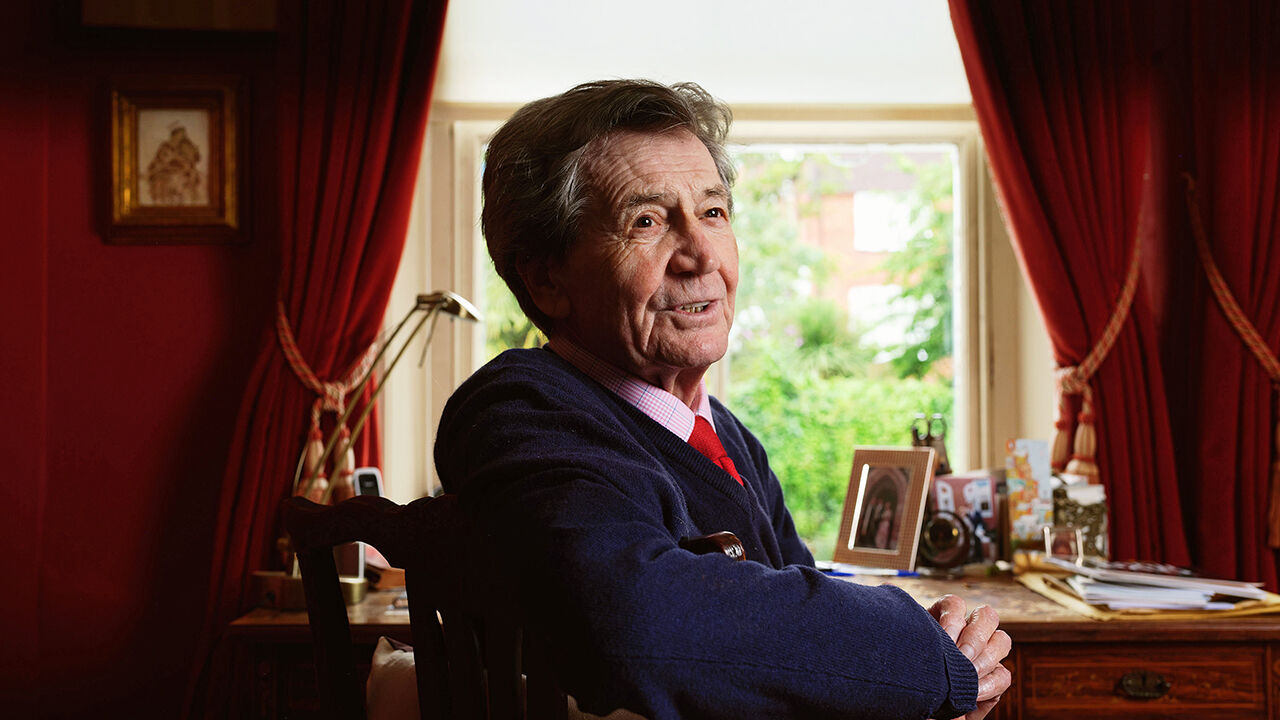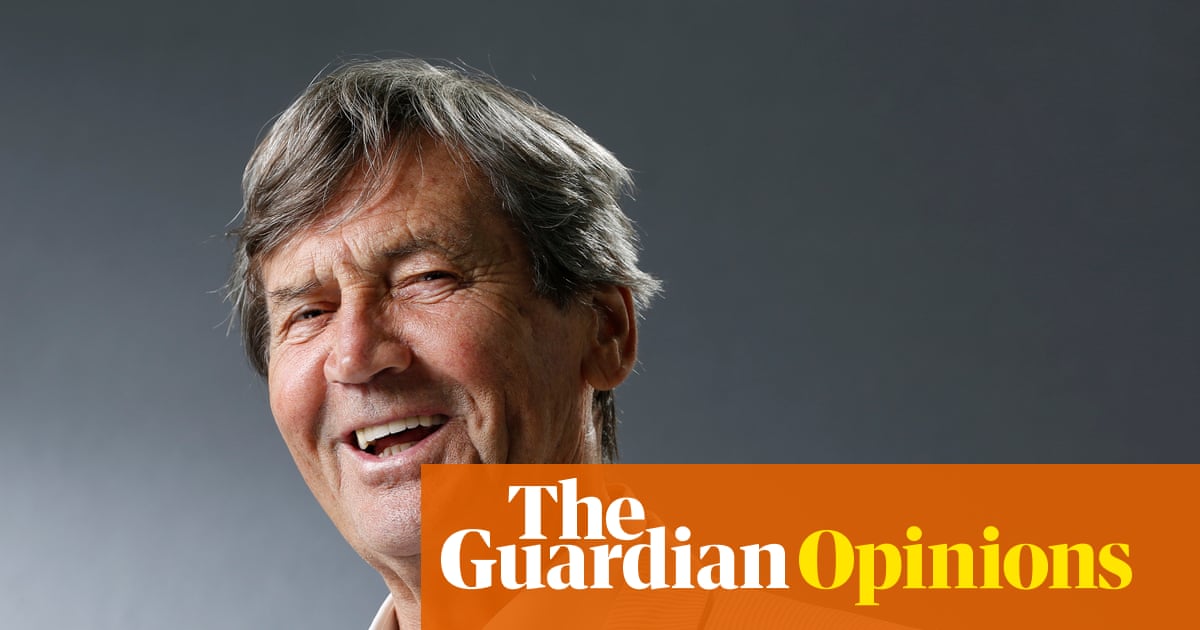
After 27 years, the presenter is leaving one of BBC Radio’s finest programmes. He never talked down, and never dumbed down either
O
ver the years, a select few BBC radio programmes have carved out distinctive niches in the nation’s affections. High on many people’s lists of such radio treasures are probably programmes like the Archers, Desert Island Discs and, now into its second century, the Shipping Forecast. Another shoo-in member of this small and exclusive club – broadcasting’s equivalent of the Order of Merit – is surely Melvyn Bragg’s long-running Radio 4 programme In Our Time.
In Our Time embodies something fundamental to media. It is living proof that it is possible to be both serious and popular. So good was the programme, right from the start, that Lord Bragg and his guests managed to turn one of radio’s traditional “graveyard” slots – the hour after 9am on a weekday – into one of the BBC’s most enduring jewels. They did it by the simple expedient of talking interestingly about important and sometimes difficult subjects. Who would have guessed?
In Our Time is a misleading title for a programme that is as much concerned with the timeless and the historic as with the contemporary. Each week, the programme simply takes a person, a movement, an idea, a theory or an area of study that has shaped the world – and explains its importance. A group of three experts, mostly from universities, recount the main facts and tease out the significant arguments over the course of 45 minutes, with Lord Bragg holding the reins. What they deliver is consistently among the most listened to speech programmes and podcasts on the radio. The programme is, though, about to lose its presiding spirit. Lord Bragg confirmed this week that, at 85, he is stepping down from the job he has done since 1998. He has been a presenter to treasure, happy to keep out of the way before asking a succinct question to move things on, an object lesson to presenters who hog the limelight and try to show off their own knowledge. Away from the radio studio, he has been a tireless champion of the arts and of public service broadcasting. This programme, though, is the best of him. A hard act to follow.