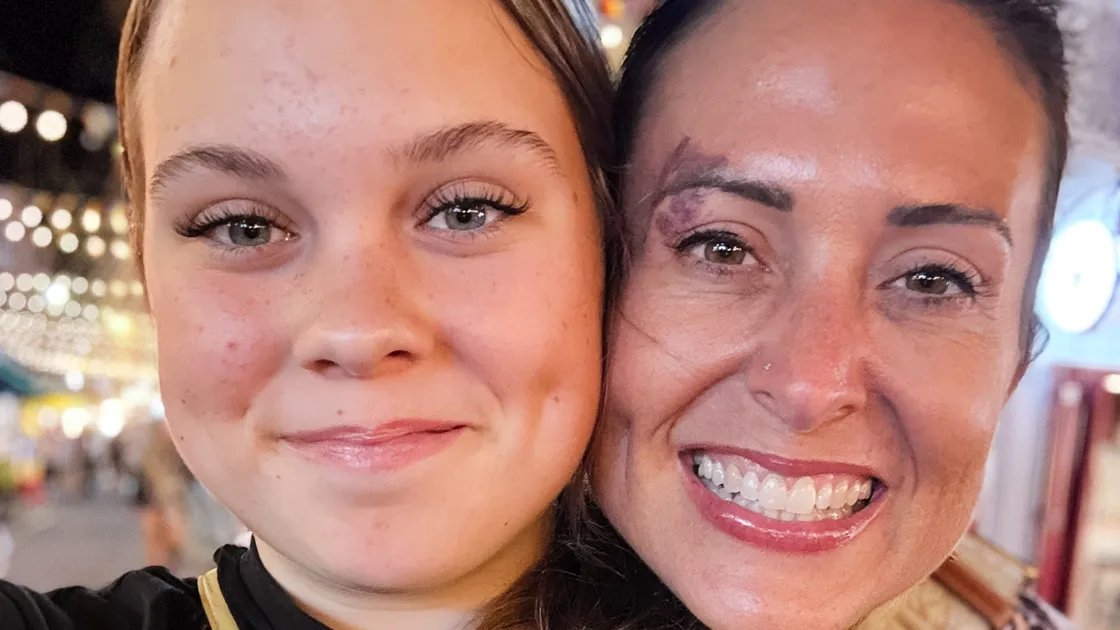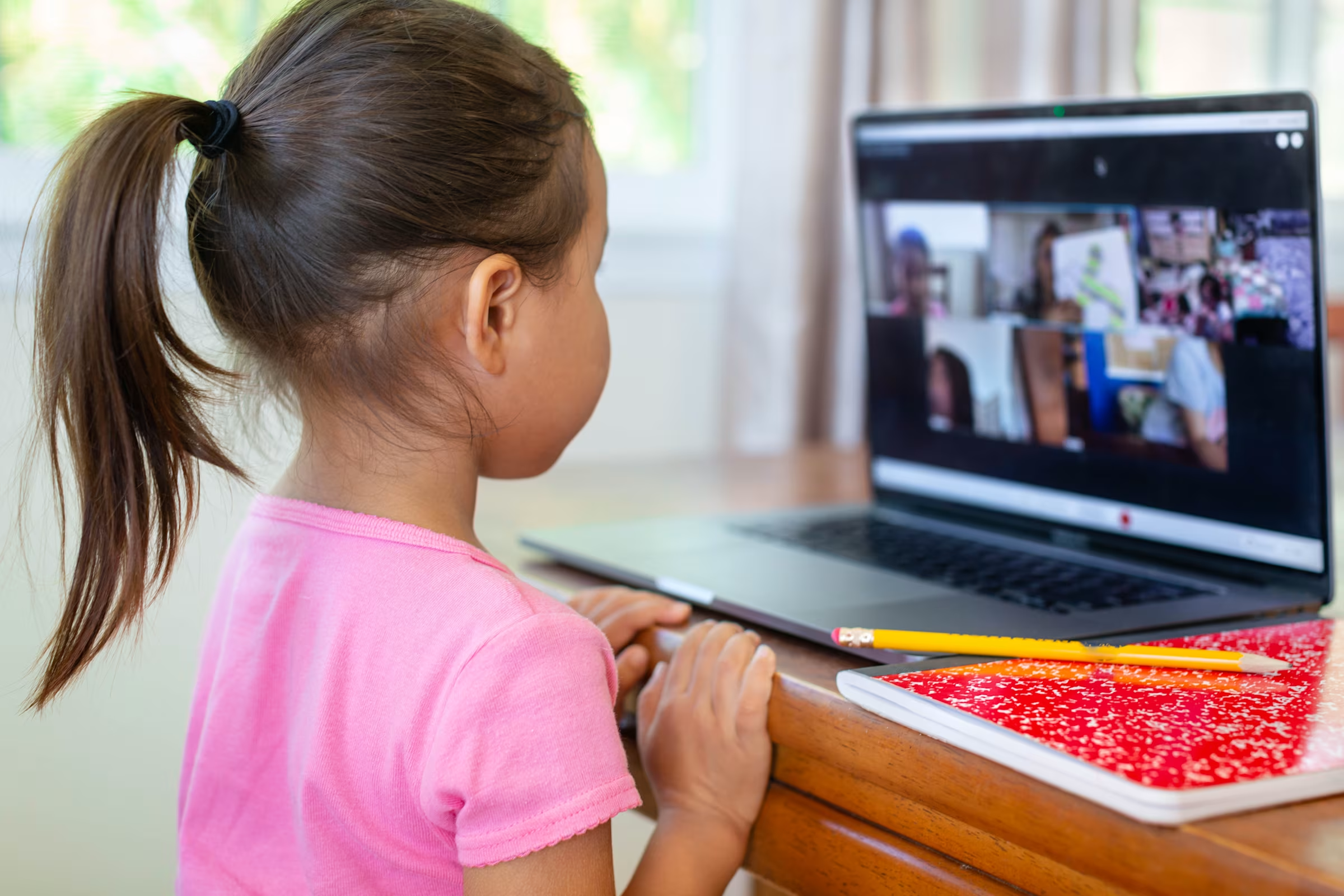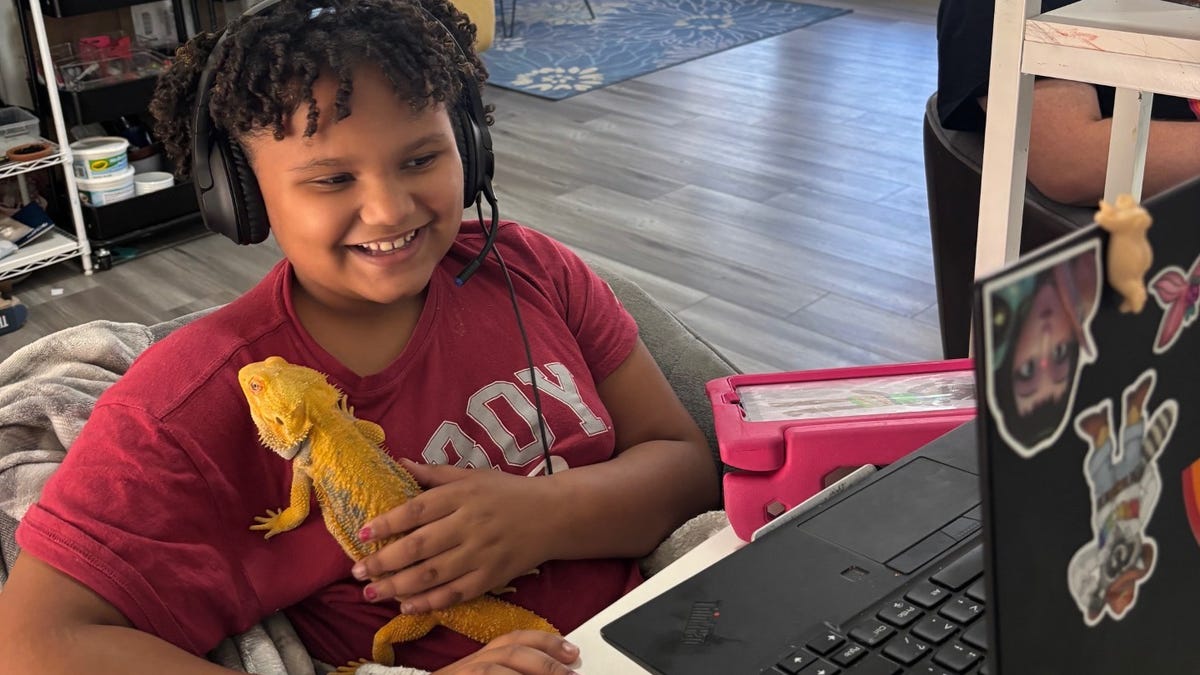
In the height of the COVID-19 pandemic, Lindsay Poveromo-Joly noticed her daughter was struggling with virtual school.
It was a tough time for a lot of students and families in 2021, and her friends, family members and her daughter's teachers kept reassuring Poveromo-Joly that all kids move at their own pace. But Poveromo-Joly knew in her gut something was wrong. Her daughter was starting to hate learning.
"She would be crying under her desk saying, 'I'm not doing this,'" Poveromo-Joly said of her then-6-year-old daughter. "I don't think I even realized the full scope of how that school experience was almost a traumatic experience until we took a step back from it."
Her daughter's pediatrician was the first person to take Poveromo-Joly's concerns seriously, she said. The doctor sent her daughter for a full evaluation, and found that she was profoundly dyslexic.
Parents of neurodivergent children or children with disabilities often face a long road to proper diagnosis, and even longer wait times to finding the right treatments and supports for their kids. This can cause parents − most often mothers, who tend to bear the brunt of parenting and the mental load of running a household − to suffer poor mental health, feelings of overwhelm and even career setbacks as they try their best to make things right for their kids.