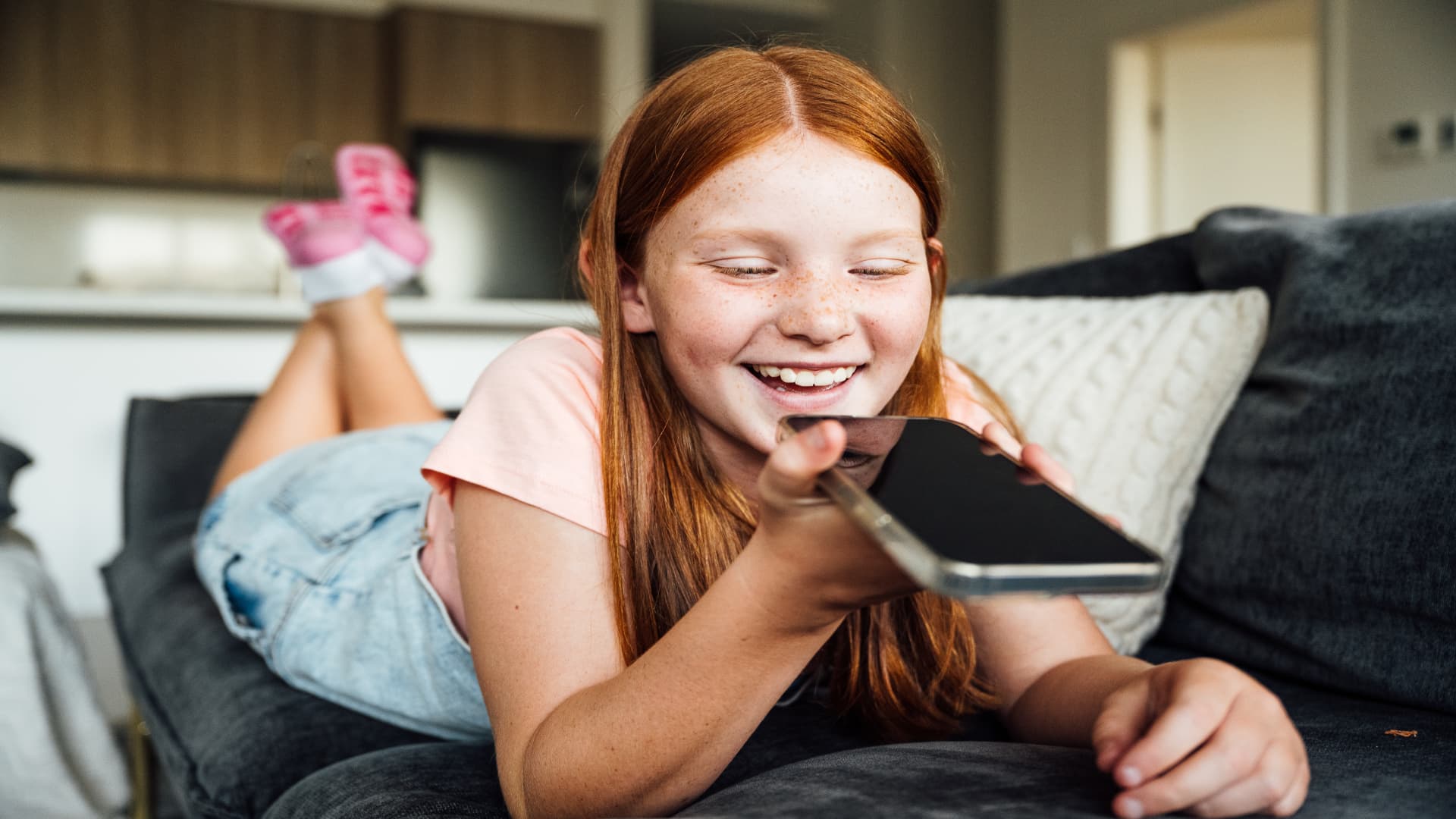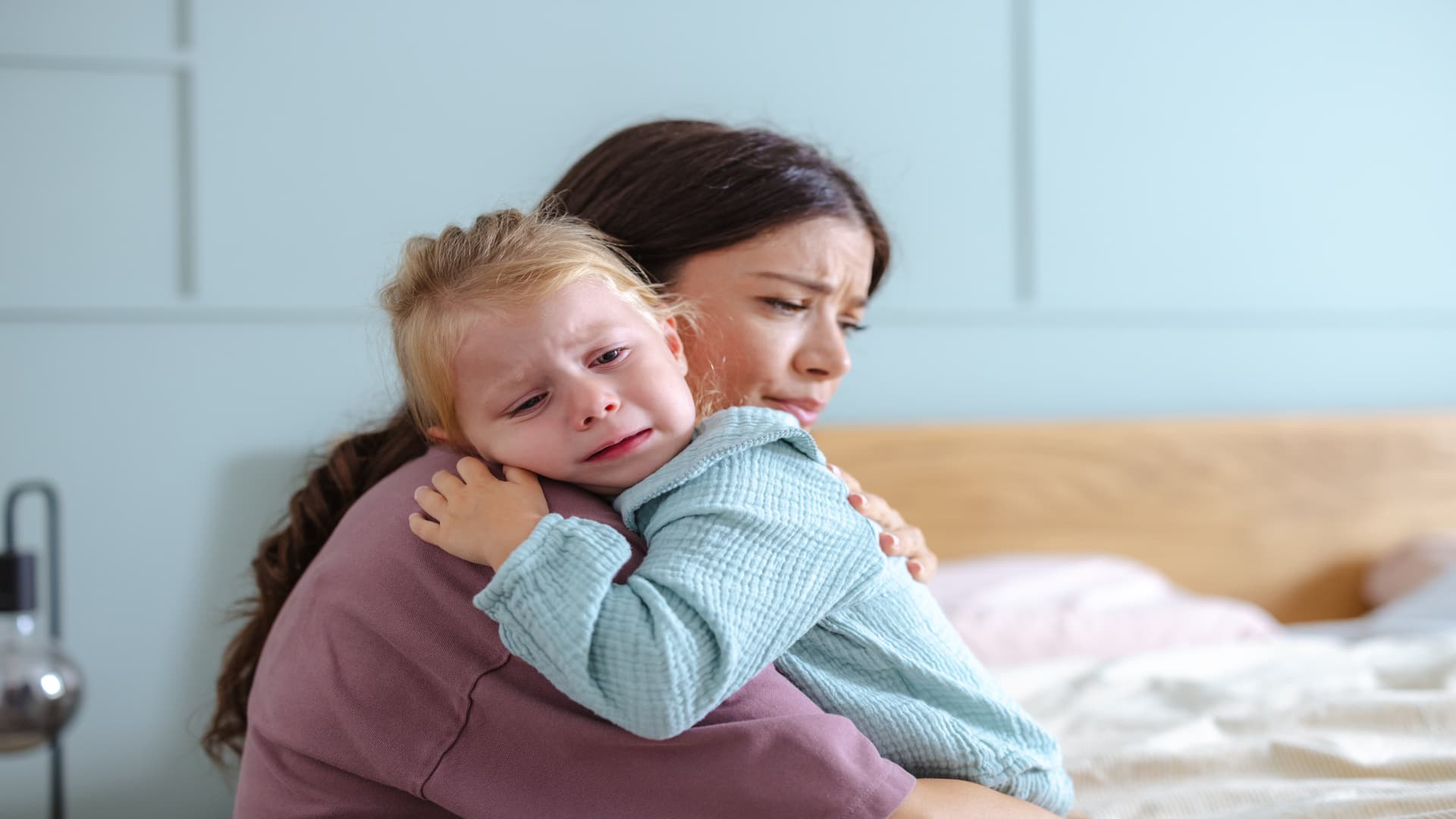
If you’re thinking it’s tougher to be a kid these days, you’re right. Sky-high rates of depression, anxiety, and chronic school absenteeism tell us that all is not well. While Covid-19 didn’t help, these trends were in motion well before the pandemic.
After working with over 1,000 kids as a clinical child psychologist, I’ve found that these “signals” are best understood as distress responses. Kids communicate distress through their behavior, much like infants do when they’re hungry, tired, uncomfortable, or having trouble digesting food.
As I write in my new book, “The Kids Who Aren’t Okay,” a range of societal changes in the past few decades has made childhood today more difficult. This is not an exhaustive list, but several factors stand out:
In 1960, psychiatrist Thomas Szasz argued that mental illness is better understood as “problems in living.” While diagnoses can describe how a child is struggling, they often don’t explain why.
Viewing kids’ challenges as problems in living shifts the focus toward identifying what’s causing distress, and fixing it.