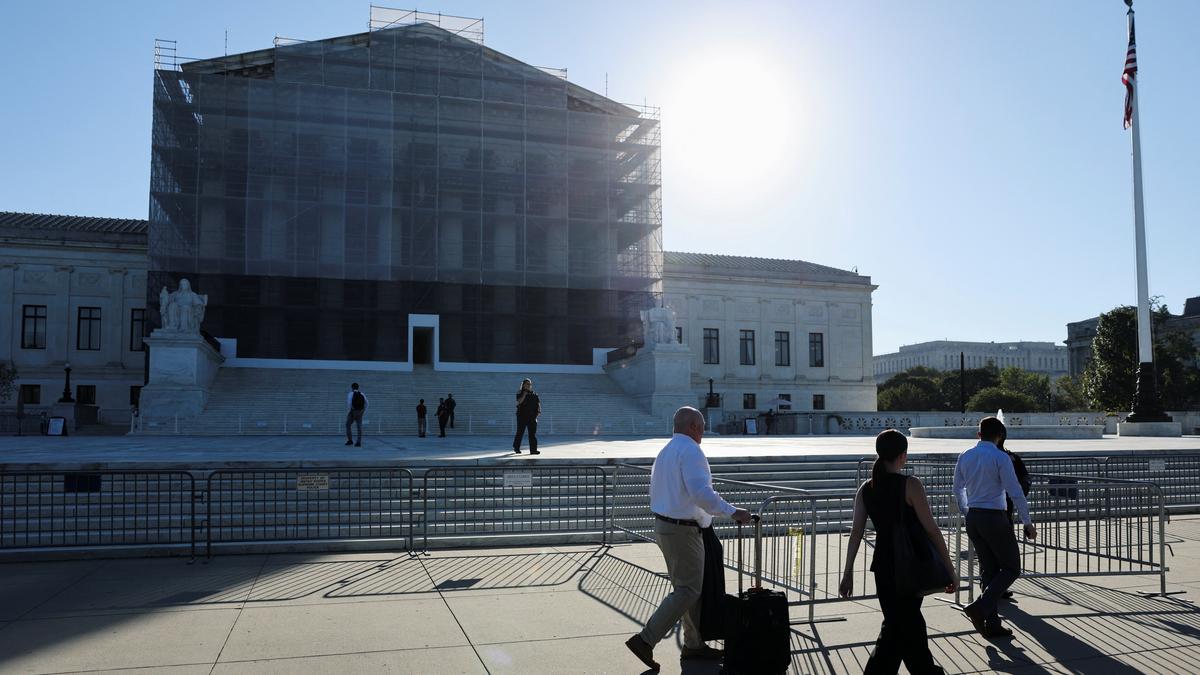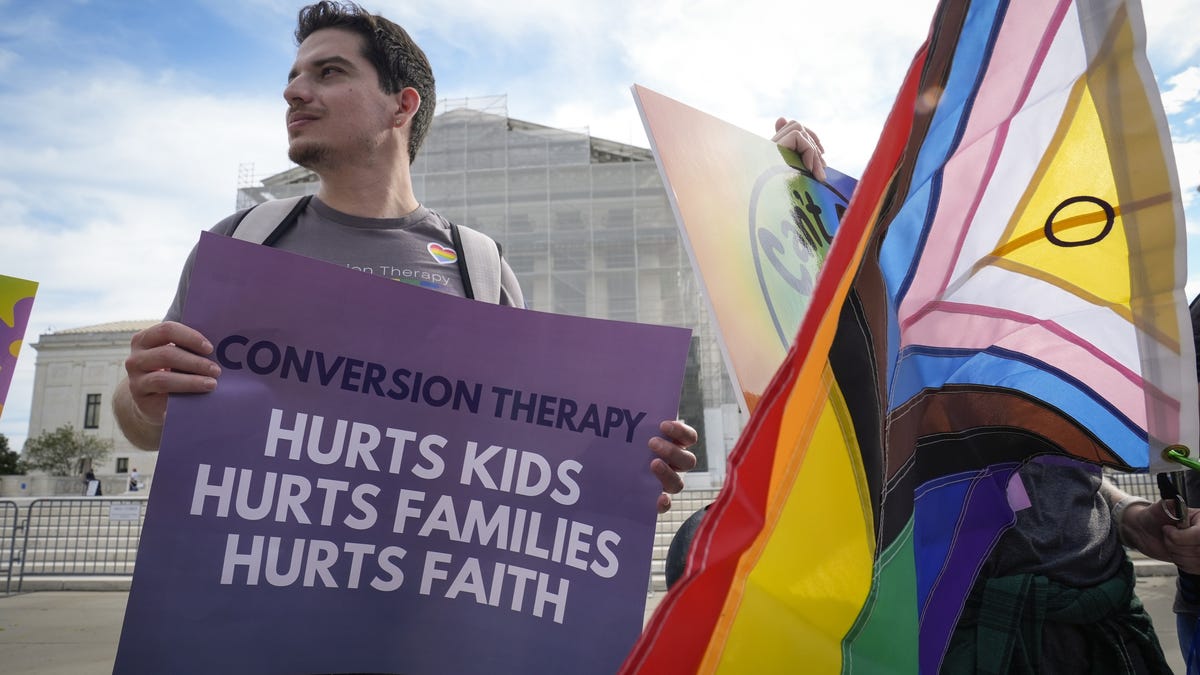
WASHINGTON – The Supreme Court on March 31 said Colorado’s ban on LGBTQ+ “conversion therapy” for young people infringes on the free speech rights of a Christian counselor, reversing a lower court's decision that had upheld the law.
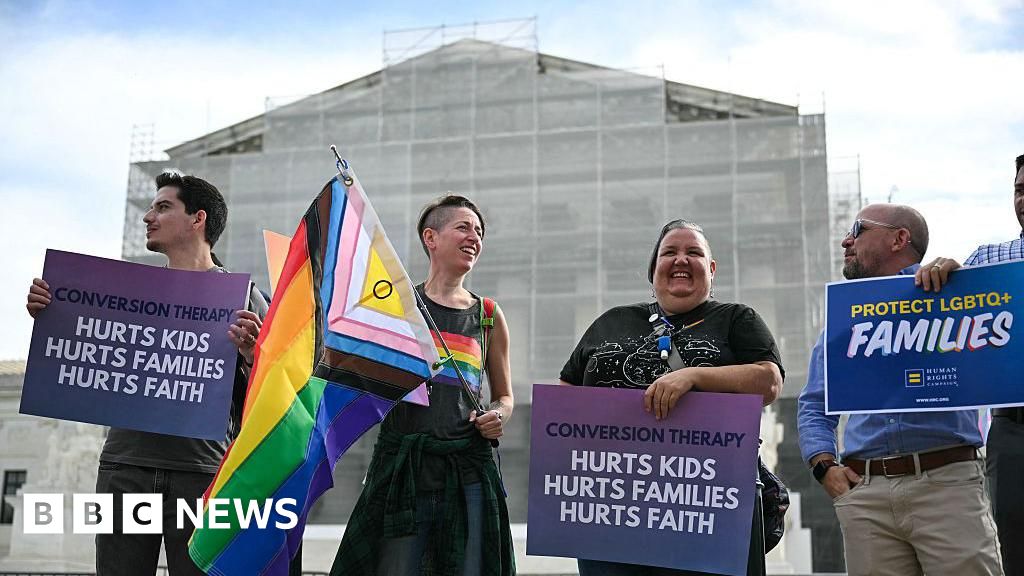
Colorado officials argued that the law − which is similar to restrictions in about half the states – regulates professional conduct, not speech. And major medical groups have repudiated conversion therapy as ineffective and harmful.
But the Supreme Court sided 8-1 with the therapist challenging the ban, agreeing that the Denver-based 10th U.S. Circuit Court of Appeals should have applied a stricter constitutional test to evaluate the law.
Enacted in 2019, Colorado’s Minor Conversion Therapy Law defines conversion therapy as attempts to “change an individual's sexual orientation or gender identity, including efforts to change behaviors or gender expressions or to eliminate or reduce sexual or romantic attraction or feelings toward individuals of the same sex.”
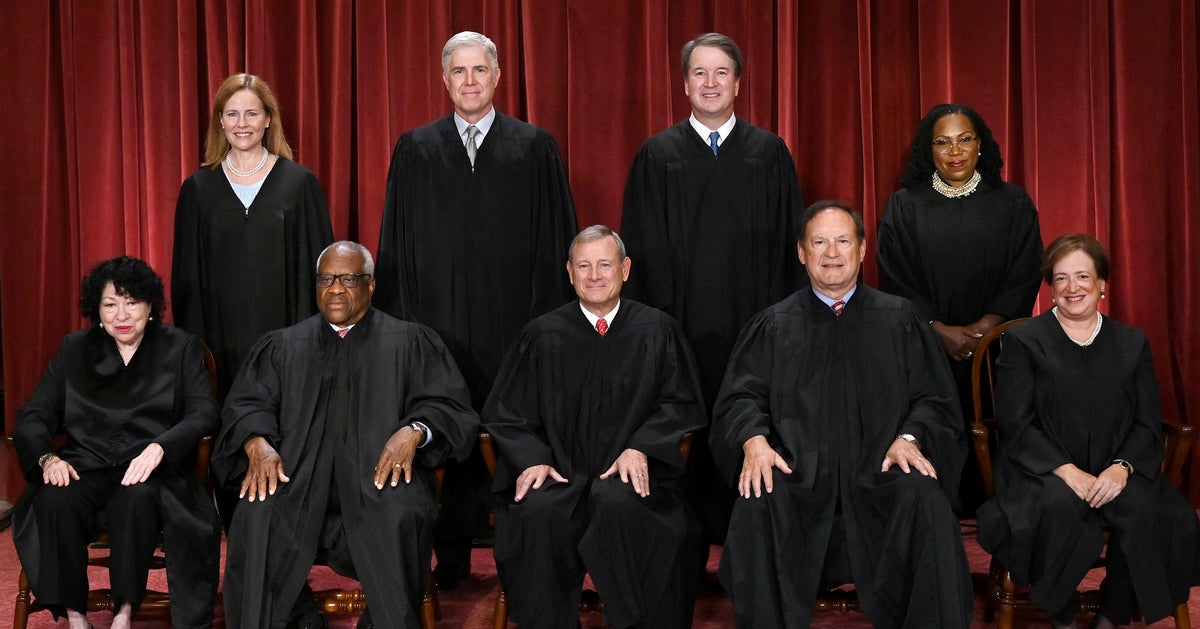
Writing for the majority, Justice Neil Gorsuch said Colorado’s law tells the therapist "what views she may or may not express.”