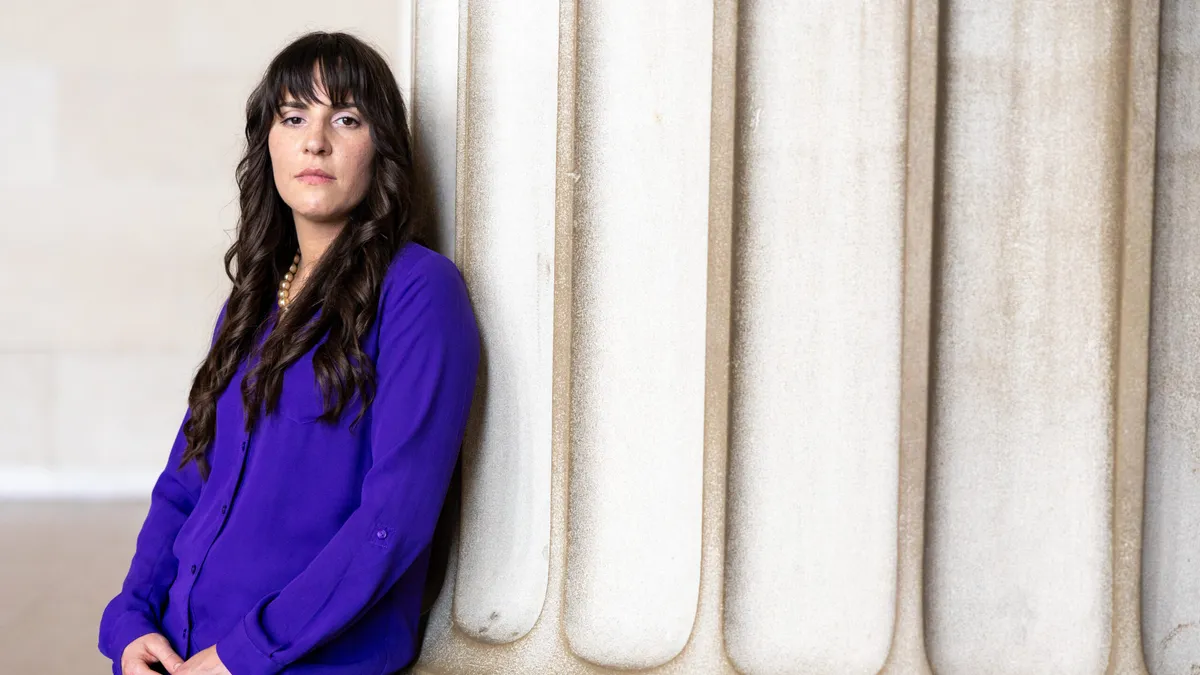
Ryan Kendall remembers thumbing through the encyclopedia one day at lunch when he was 11 years old. When he landed on the word “homosexual,” he knew two things to be true: that it described himself, and that he had to keep it a secret.
It was 1994. Kendall was raised in a conservative evangelical community in Colorado Springs, Colorado. His classmates were the children of prominent religious leaders who lobbied for anti-gay policies.
At 13, Kendall’s dad found his journal, in which he’d acknowledged his sexual orientation. Kendall’s dad told him he was going to hell, and both parents sought the advice of Christian therapists to try to “make” their son straight.
Over the next year and a half, Kendall had weekly phone therapy with a psychologist who tried to parse out what had “caused” Kendall to be gay.
But Kendall had already accepted who he was and knew that nothing could change that.