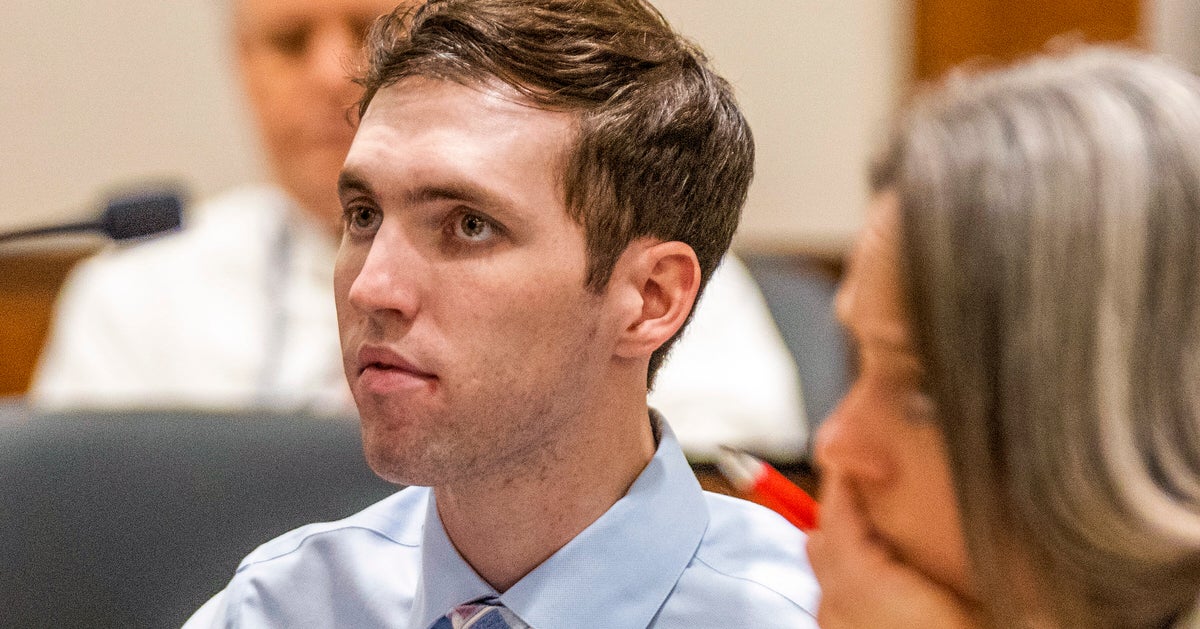
Tyler Robinson’s defense team may try to use analysis to clear him of blame, as prosecutors aim to show there’s enough evidence to proceed with trial
An analysis from the federal Bureau of Alcohol, Tobacco, Firearms and Explosive (ATF) could not conclusively connect a bullet fragment recovered during Charlie Kirk’s autopsy to the rifle found near the scene of the rightwing political activist’s killing – and the FBI is running additional tests, lawyers for Kirk’s accused murderer said in recent court filings.
In the court filings, Tyler Robinson’s defense team also asked for a delay to a preliminary hearing scheduled in May, saying they need time to review the bullet analysis as well as an enormous amount of other material that could contribute to the suspect’s defense.
The ATF’s bullet analysis report has been kept private, but attorneys have cited snippets in other public filings that say the results were inconclusive.
The success of a forensic ballistics analysis largely depends on the size and condition of the bullet fragments. Experts are looking for unique, microscopic markings that are left on a bullet as it passes through the gun’s barrel. The scratches are like fingerprints in that no two firearms make identical markings.