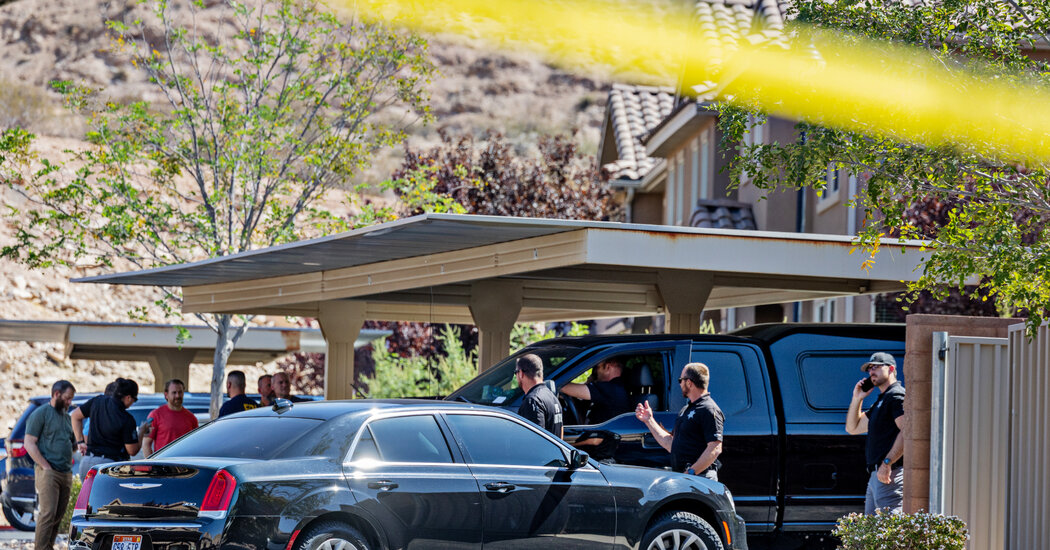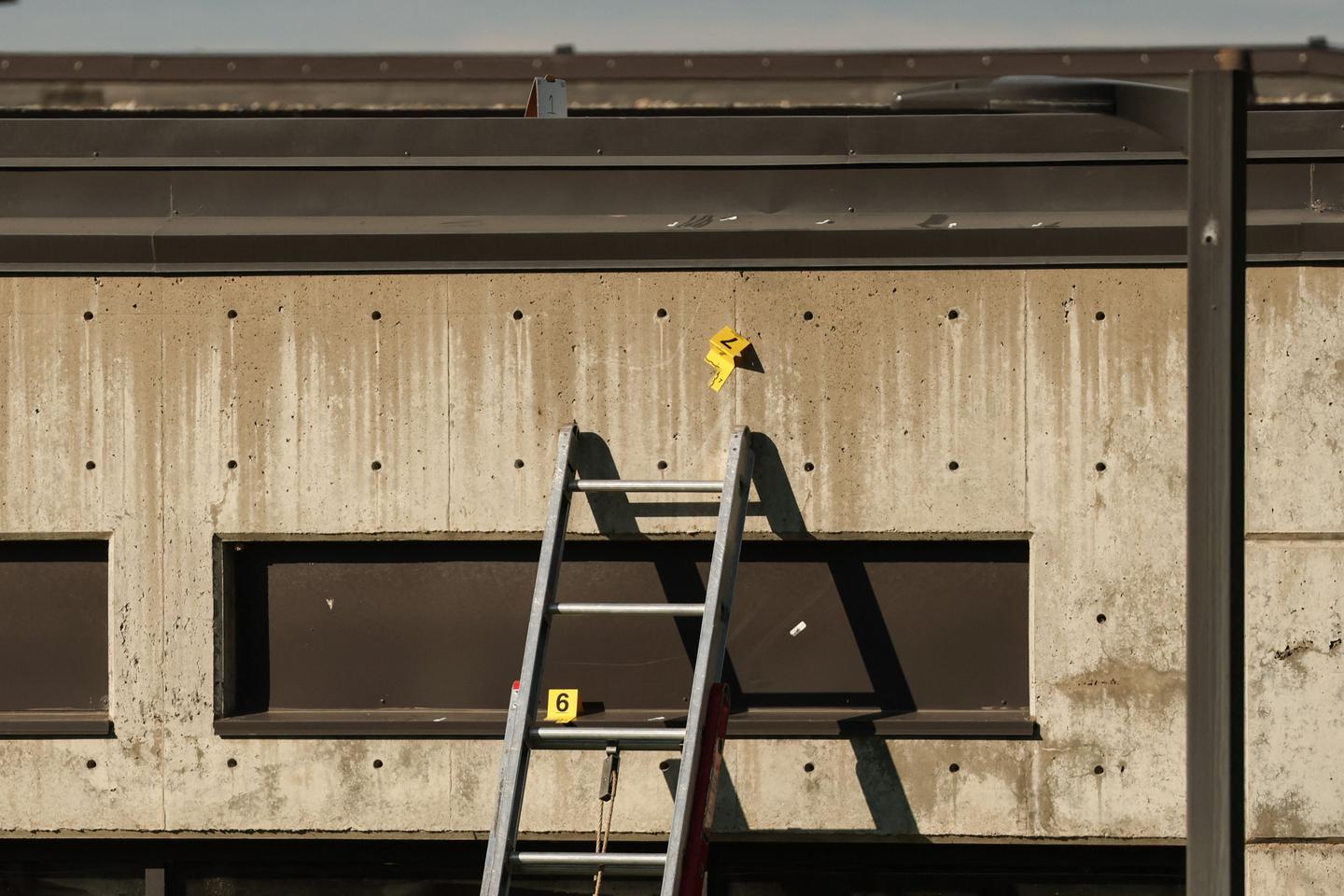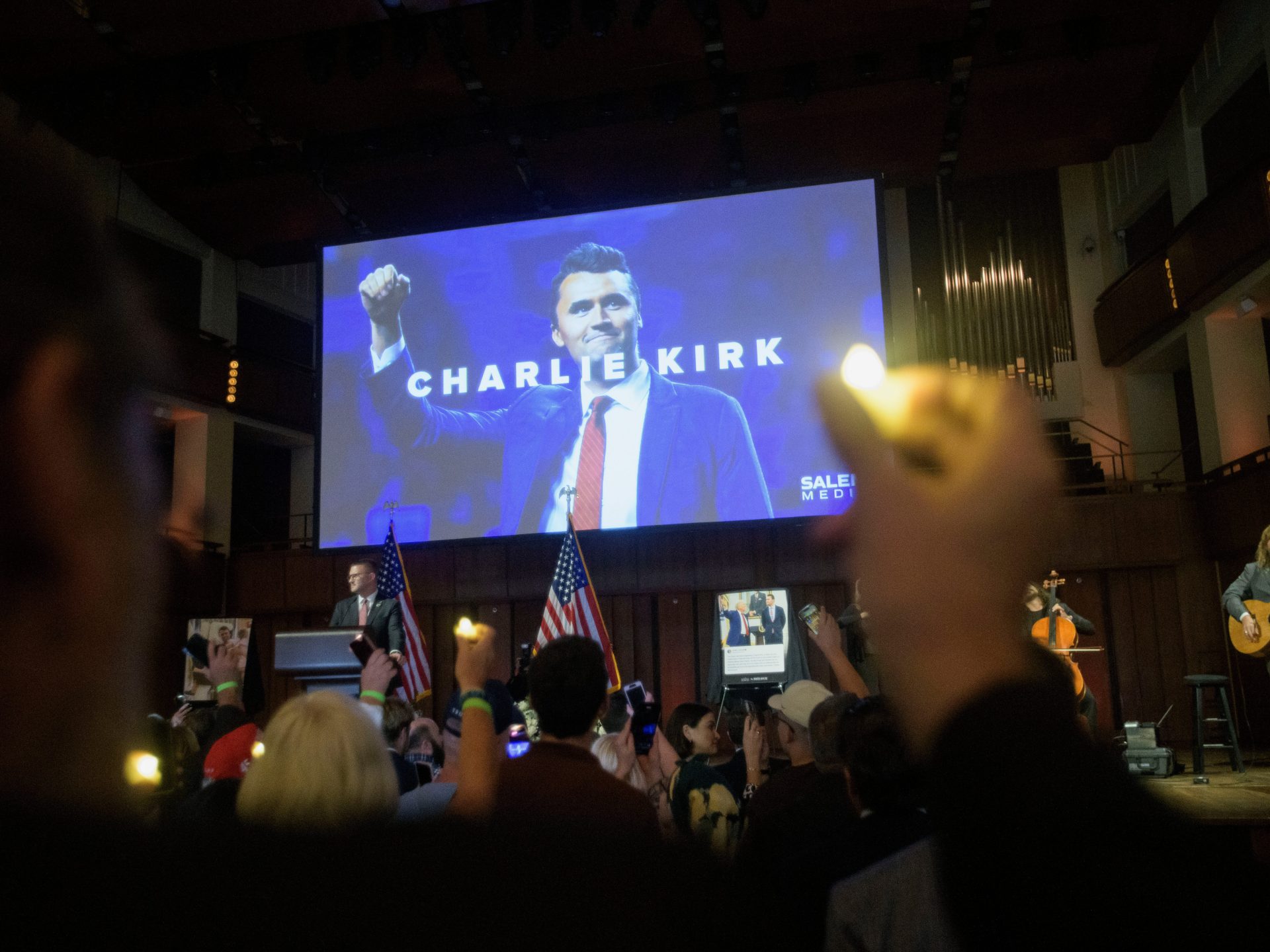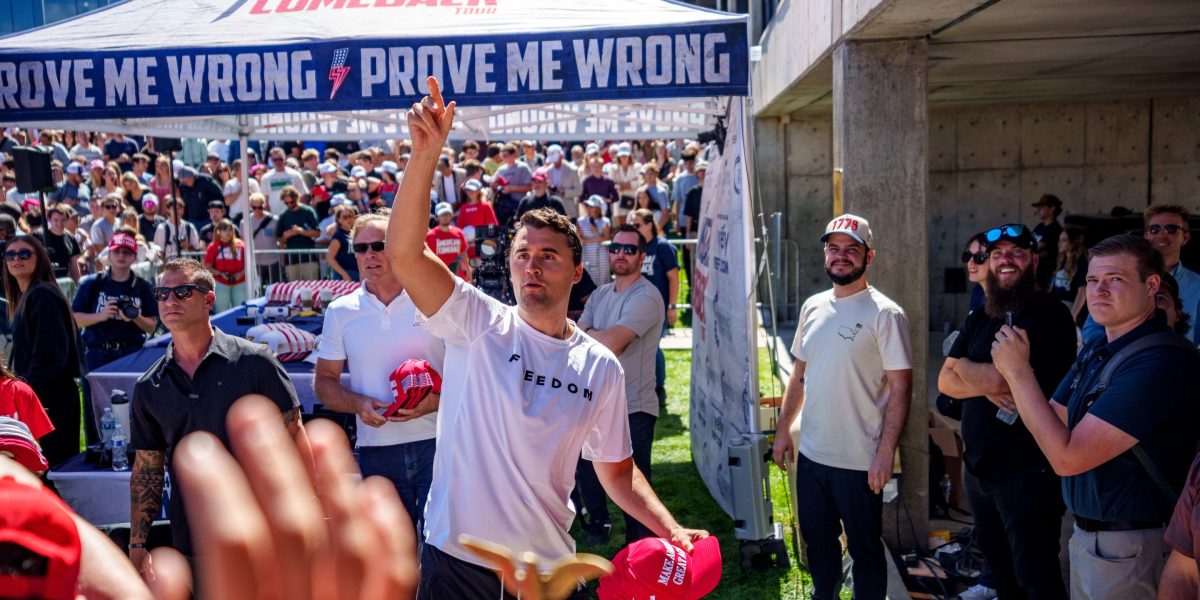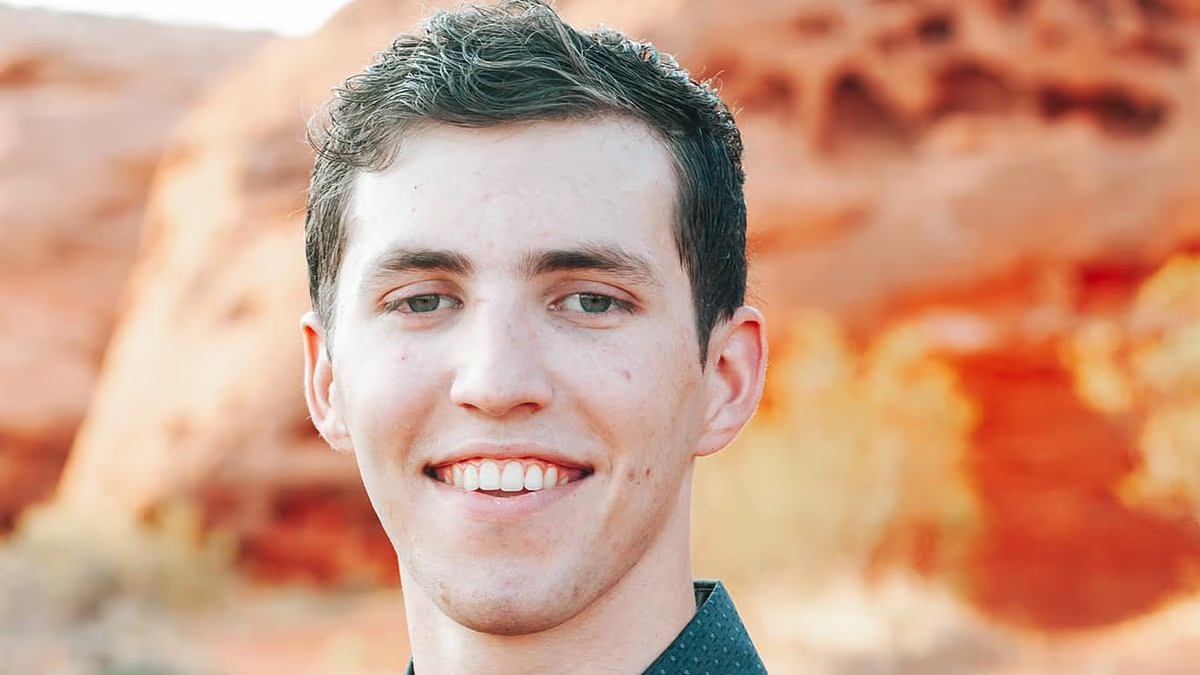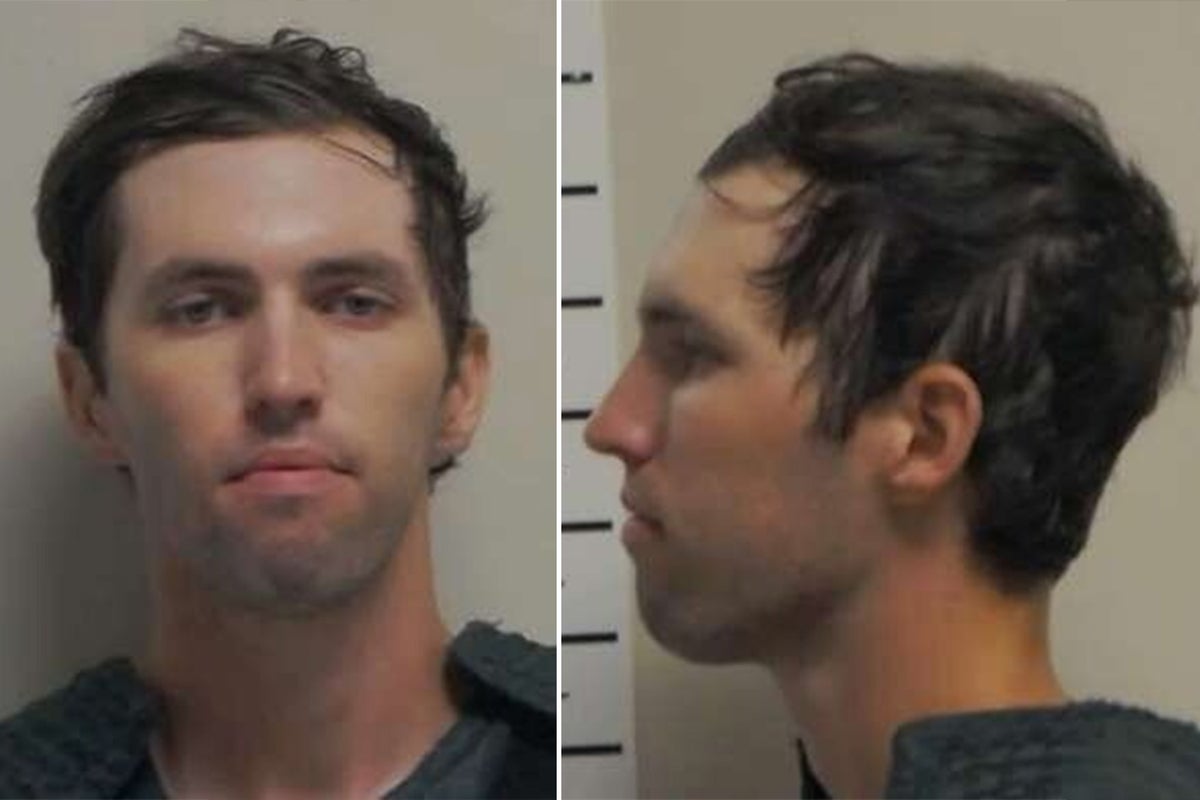
As the search unfolded for conservative political activist Charlie Kirk’s assassin, with the suspect identified on Friday as Tyler Robinson, law enforcement parsed every possible lead. One piece of evidence they homed in on: a forearm print taken from the sniper’s position.
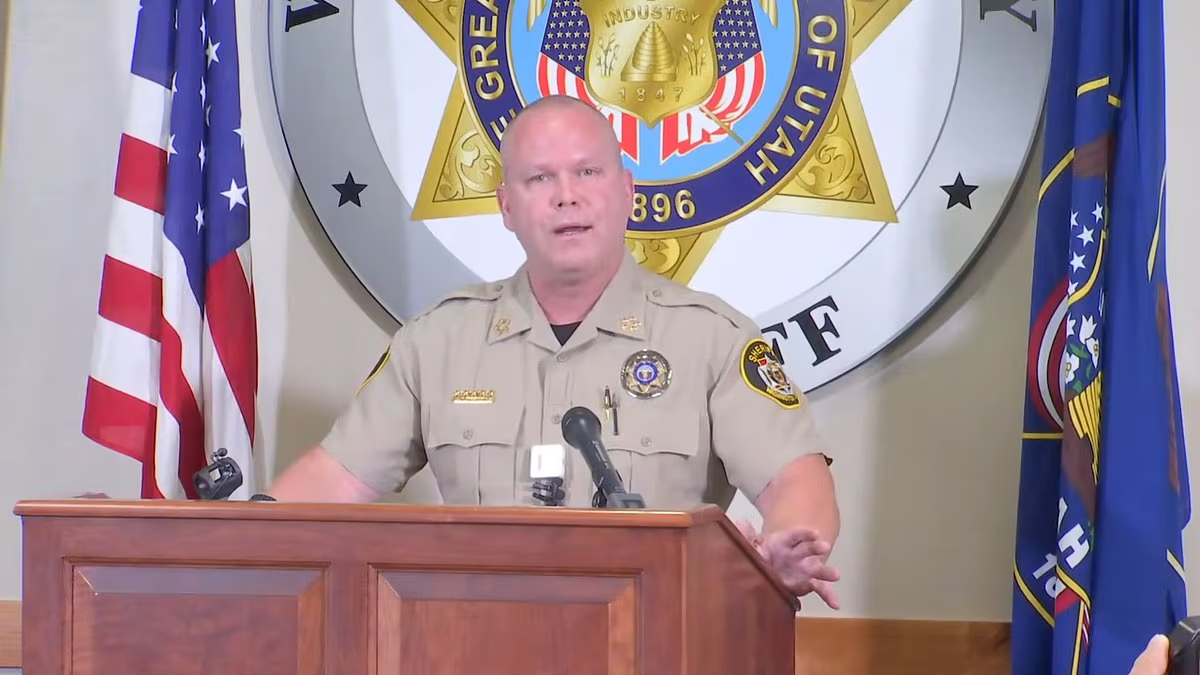
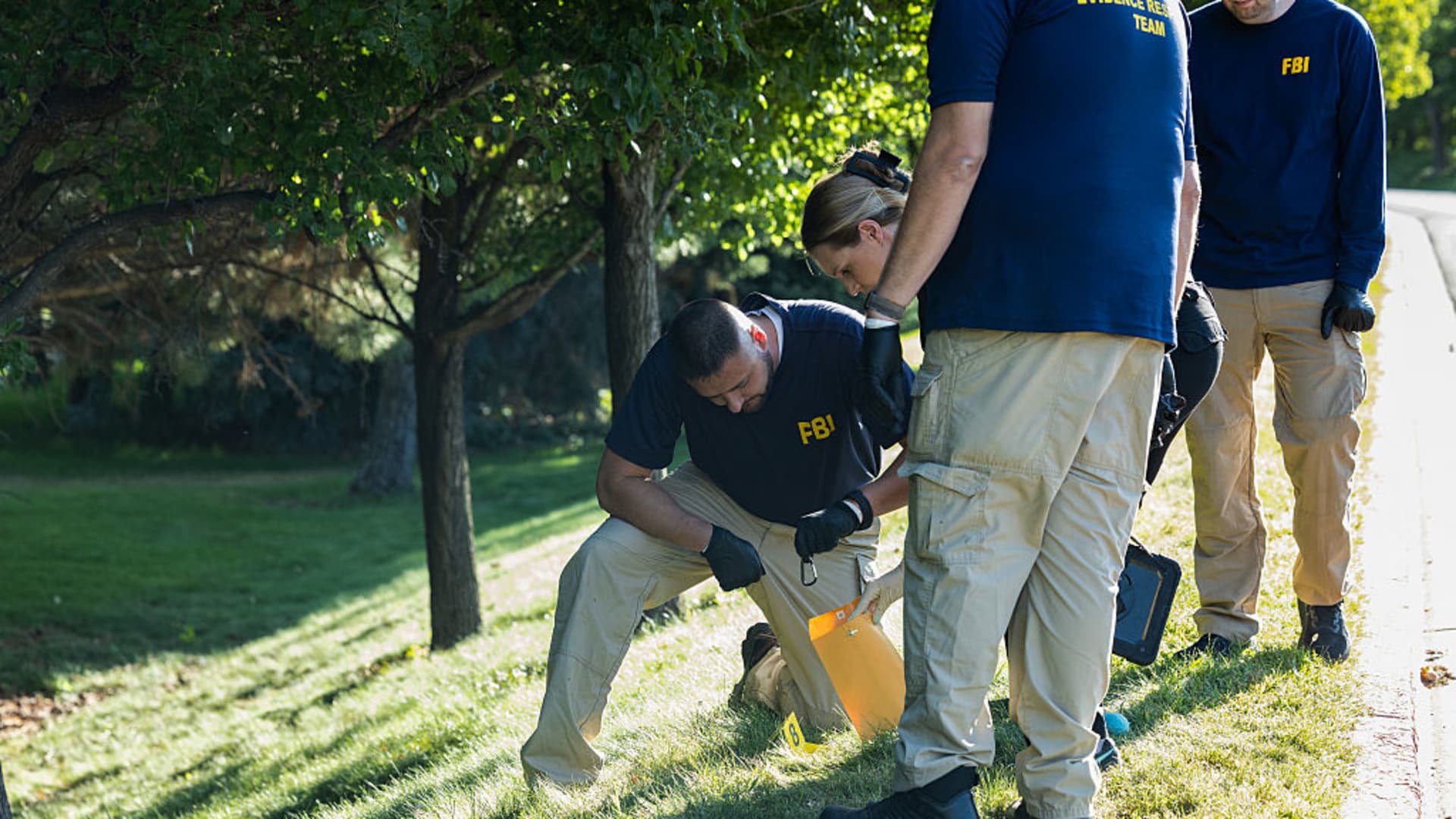
Before Robinson’s apprehension Friday morning as a result of very human methods — it has been reported that Robinson offered what may have been a form of confession to family members, who then shared the information, leading to his surrender — FBI agent Robert Bohls said investigators had collected a “footwear impression, a palm print and forearm imprints” from the crime scene for analysis.
Forearm imprints are not a commonly collected piece of evidence, according to experts CNBC spoke with.
“It’s very unusual,” said Patrick McClain, a Texas-based criminal defense attorney and retired Marine Corps military judge. McClain explained that typically, when a forearm print is mentioned, authorities have collected DNA or other skin residue from the surface against which the forearm was pressed.
“It’s merely a mold from an imprint left from remaining in a prone shooting position with forearms on the deck for a period of time,” said Jeff Wenninger, founder and CEO of Law Enforcement Consultants, who has worked with the LAPD’s elite Metropolitan Division and with the Secret Service in protecting dignitaries. “It would be similar to a shoe or boot print that they lift with a mold,” he added.