A wartime leader’s words are critically important. But Trump, contradicting himself and denying reality, is no Churchill
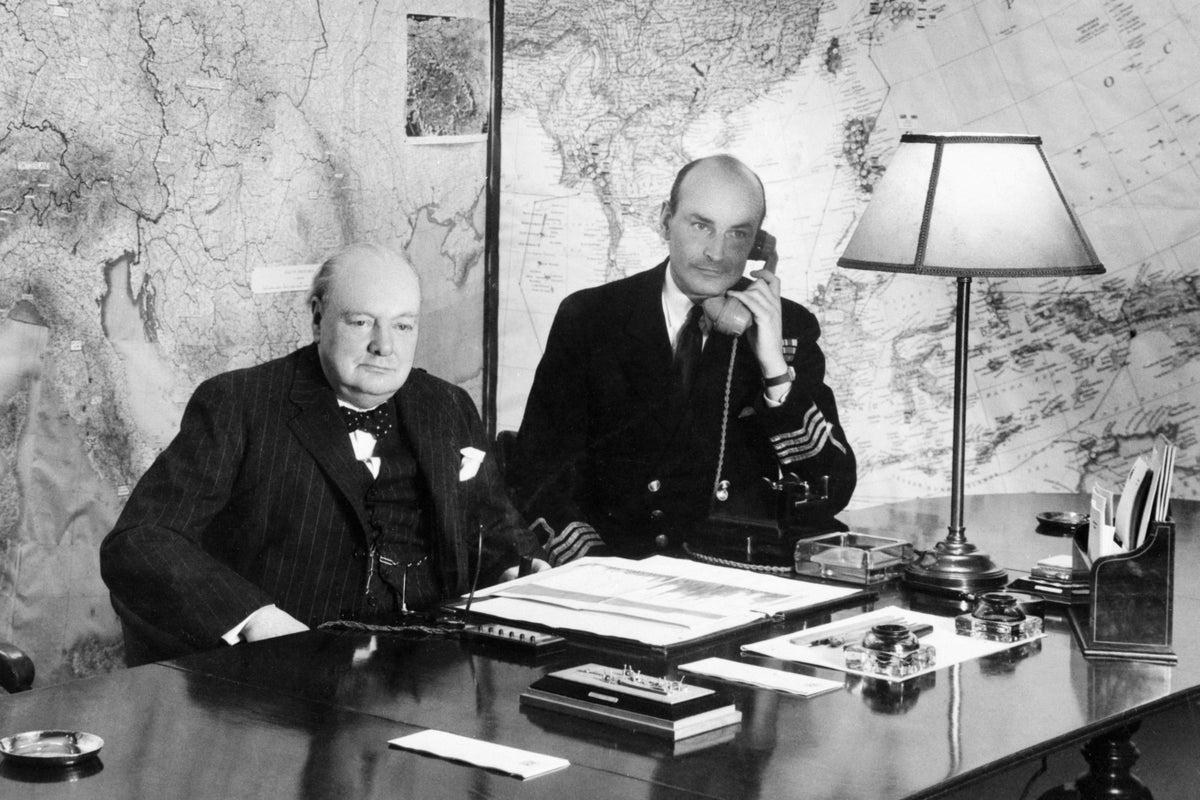
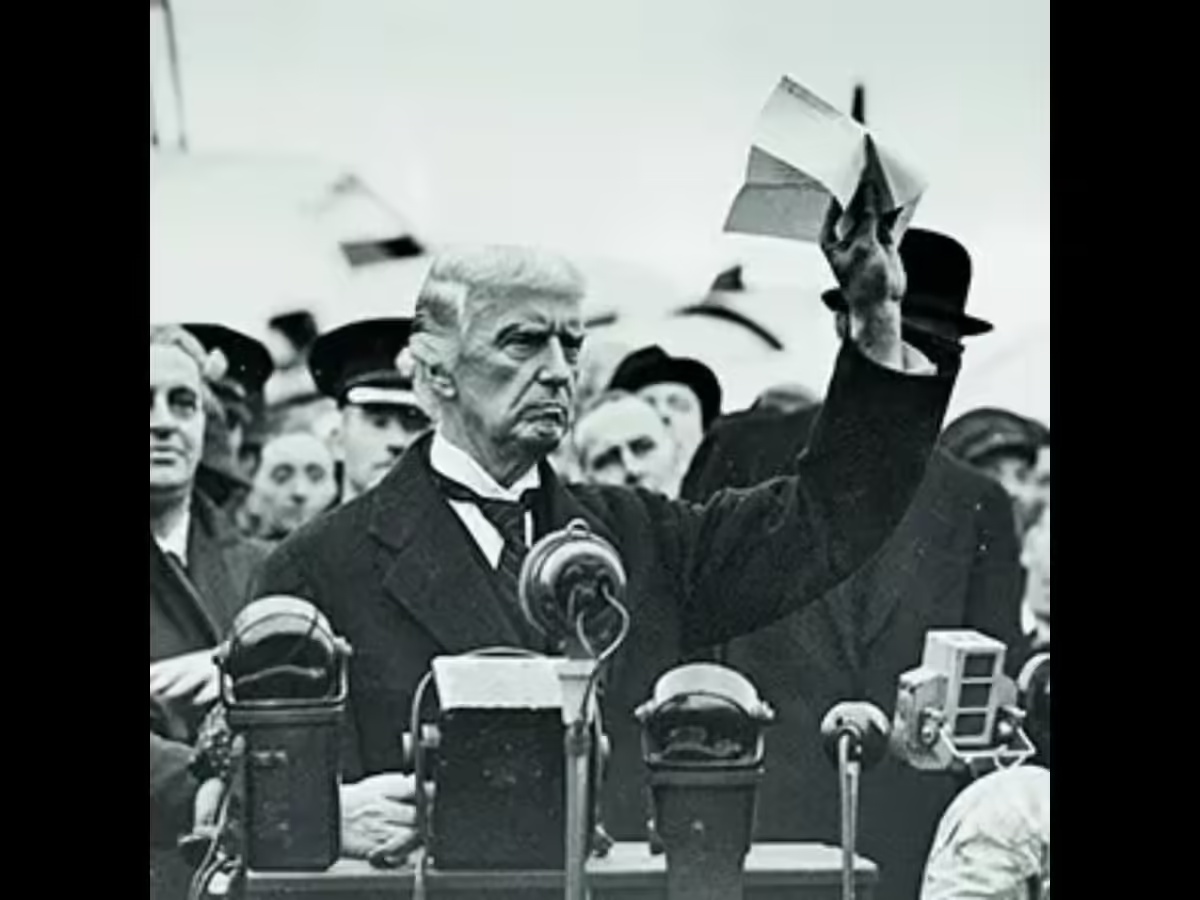
uring a White House ceremony on 9 April 1963, then president John F Kennedy bestowed honorary citizenship on former prime minister Winston Churchill, remembering how effectively Churchill inspired millions with his words during the second world war. As Kennedy put it, Churchill “mobilized the English language and sent it into battle”.
The same cannot be said of Kennedy’s successor Donald Trump. Their names may be awkwardly conjoined atop the shuttered Kennedy Center, but the comparison ends there. Kennedy, like Churchill, spoke effectively, with great attention to the facts, particularly during the Cuban missile crisis, when the world’s leaders hung on every phrase and participle spoken by the leader of the free world.
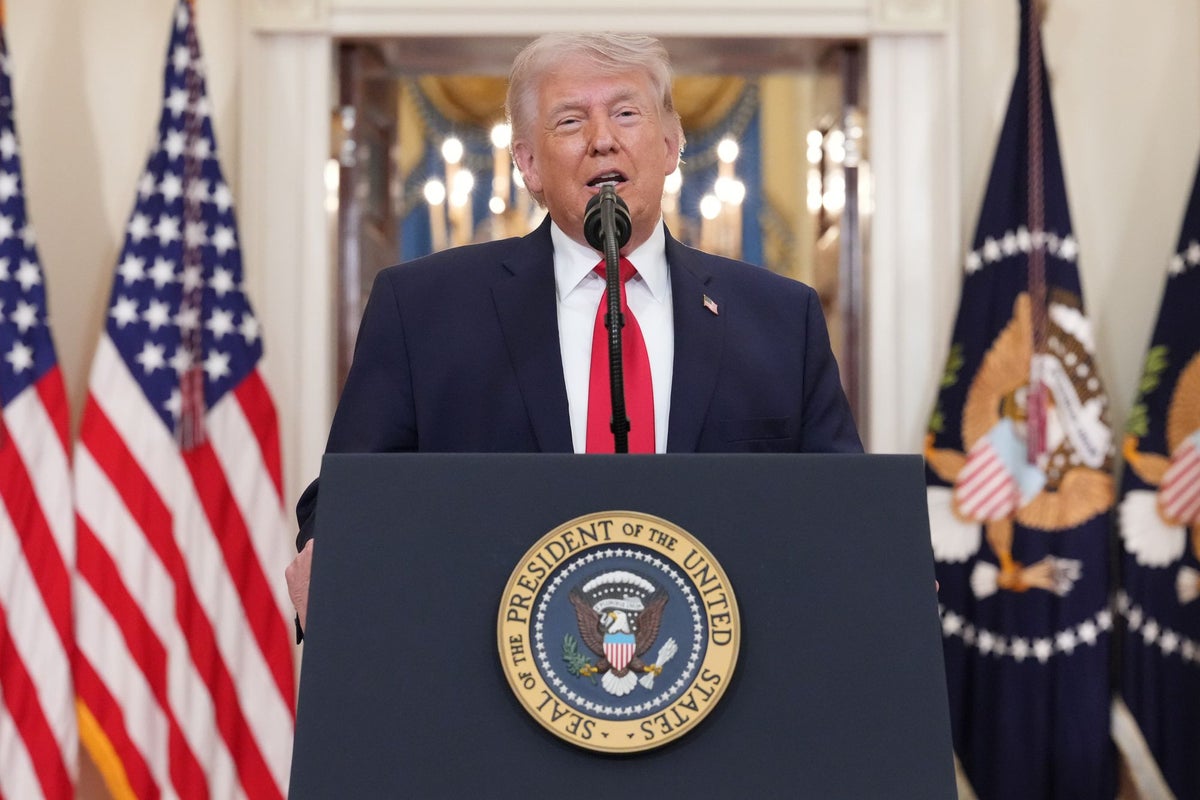
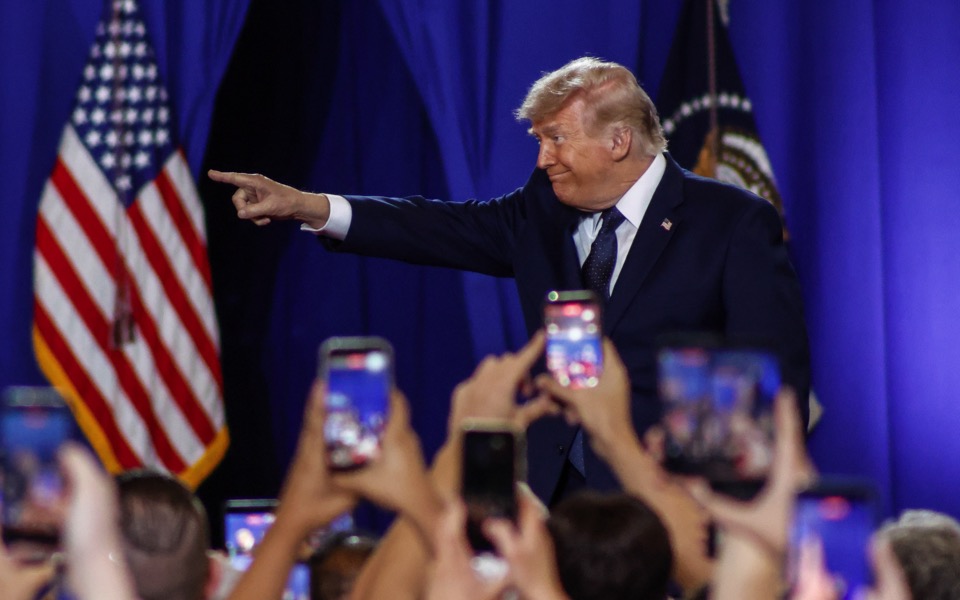
Trump has been much less successful in building support for the Iran war, at home or abroad. Far from uniting the free world, he has been dividing it with a torrent of taunts and threats, mainly directed at allies. It’s a curious way to wage a war, which explains why victory still feels so far away, a month in.
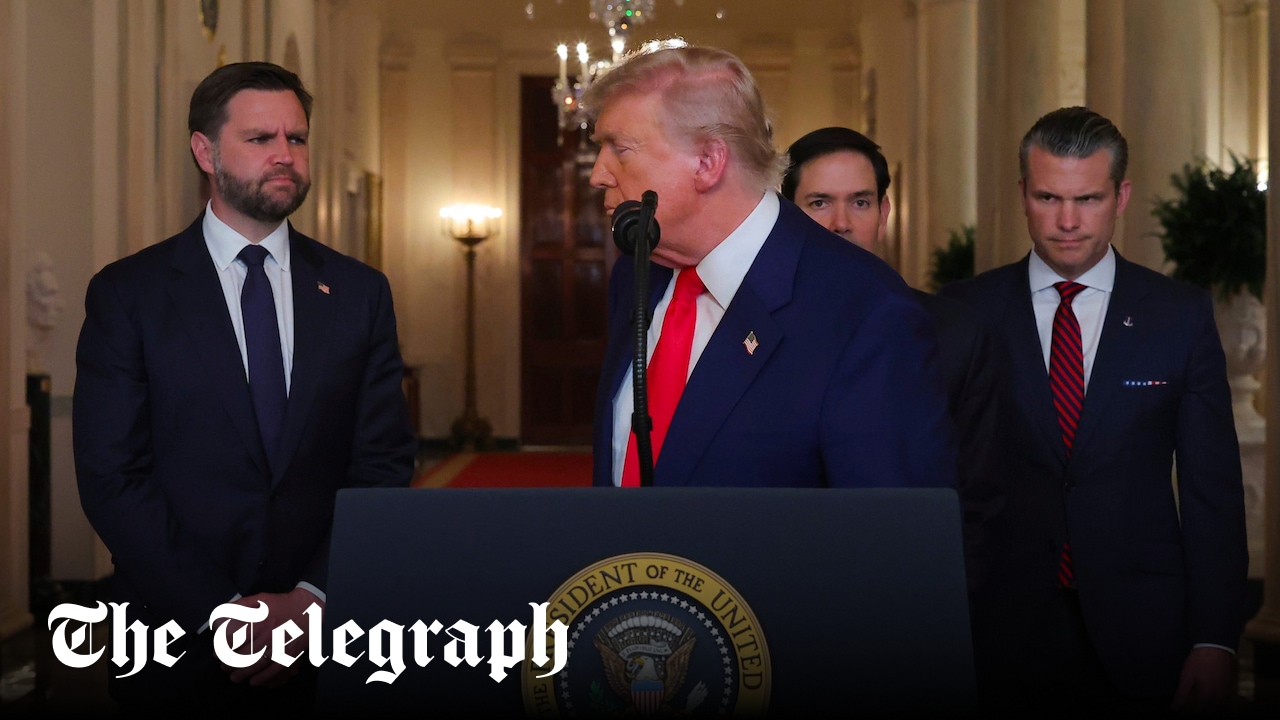
The words of a president are critically important; as Lincoln once said, there is a world of difference between a horse-chestnut and a chestnut horse. But Trump has yet to address the American people in a serious way about his war aims. Traditionally, presidents would build a case for a war in a somber address, delivered from the Resolute Desk of the Oval Office. But nowadays, presidential utterances are more likely to come from Mar-a-Lago, which is not exactly what Churchill meant when he said “we shall fight on the beaches.” Trump was at his Florida retreat when he announced the war, while wearing a baseball hat, with a video released in the middle of the night of 28 February.