Fungi are taking the U.S. by storm — and not in the good way.
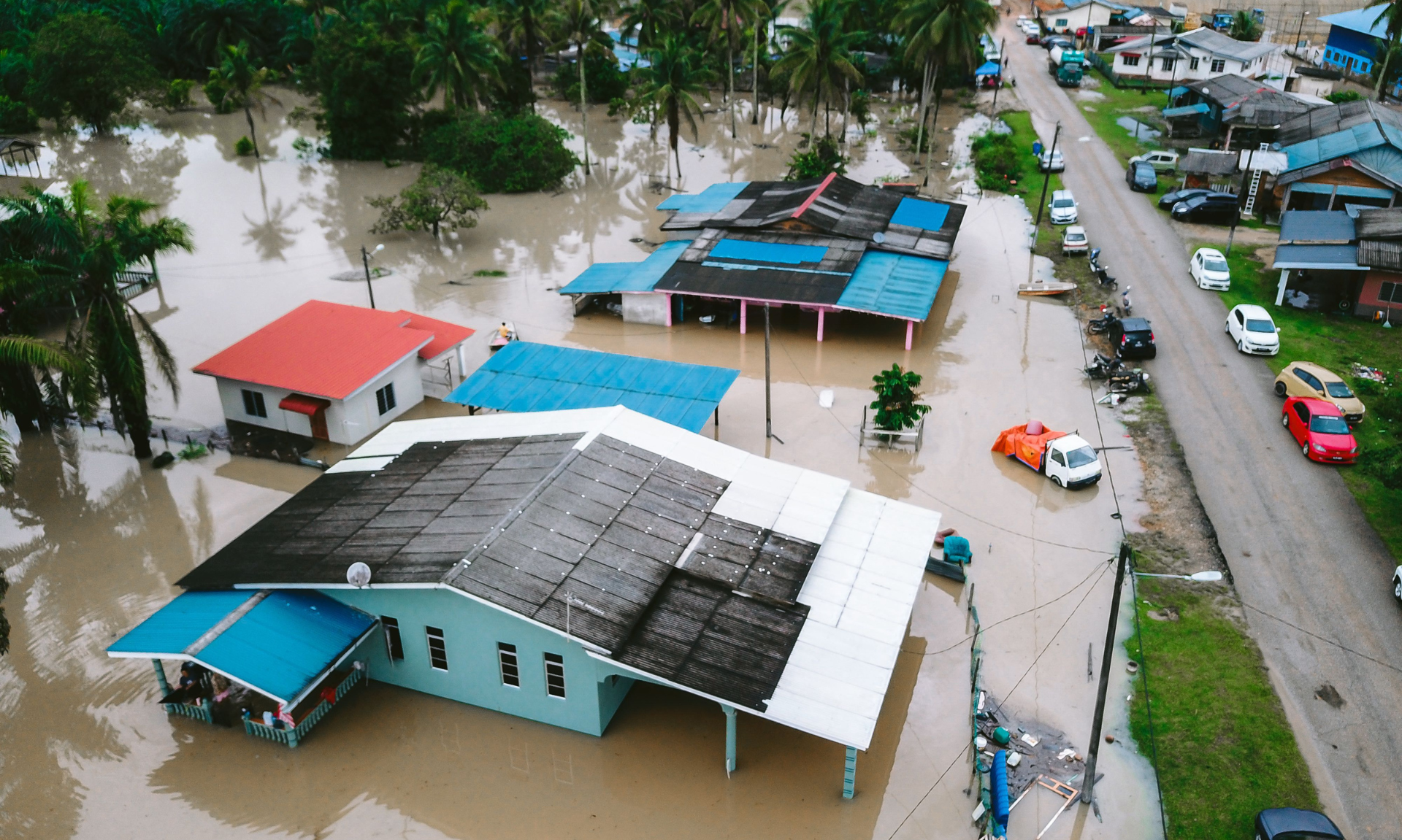
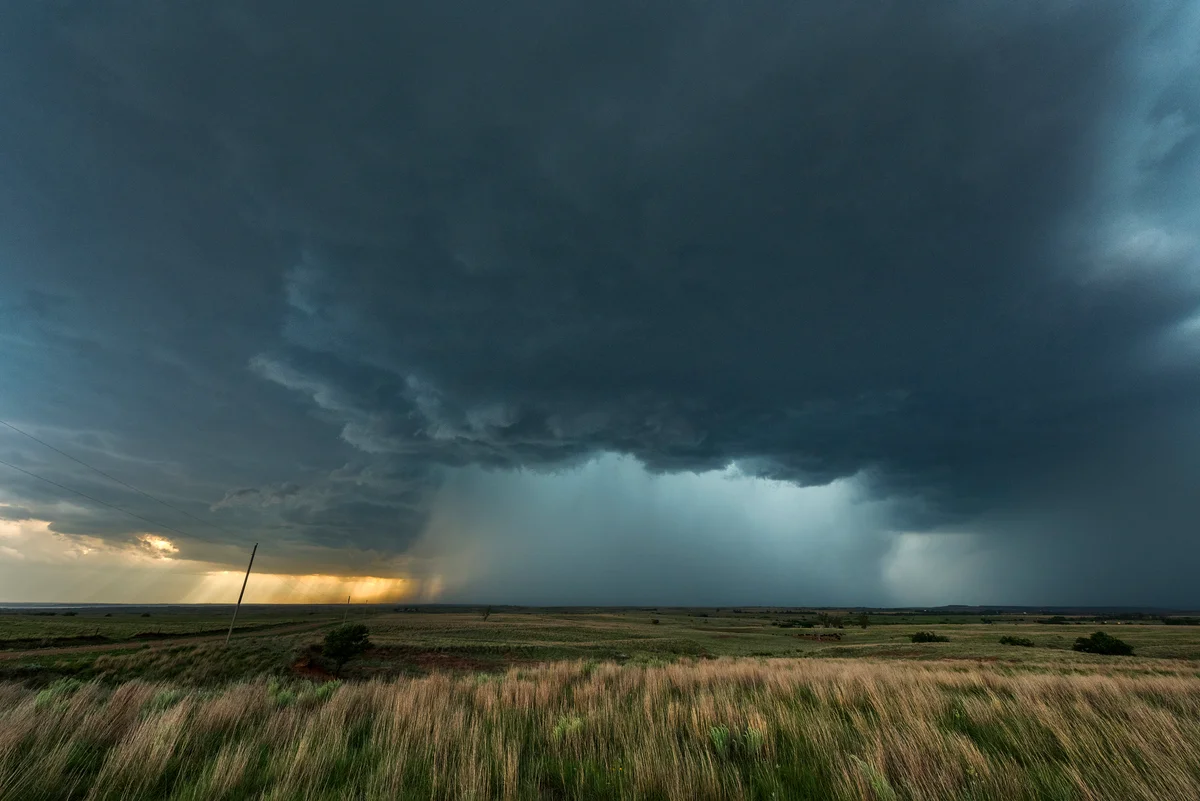
What’s being described as “fungal storms” isn’t a new kind of weather, experts say, but a dangerous mix of conditions where airborne spores hitch a ride on dust, winds and flooding.
Fungi aren’t literally storming areas like rain or hail, but storms act as the vehicle while the spores supply the threat.
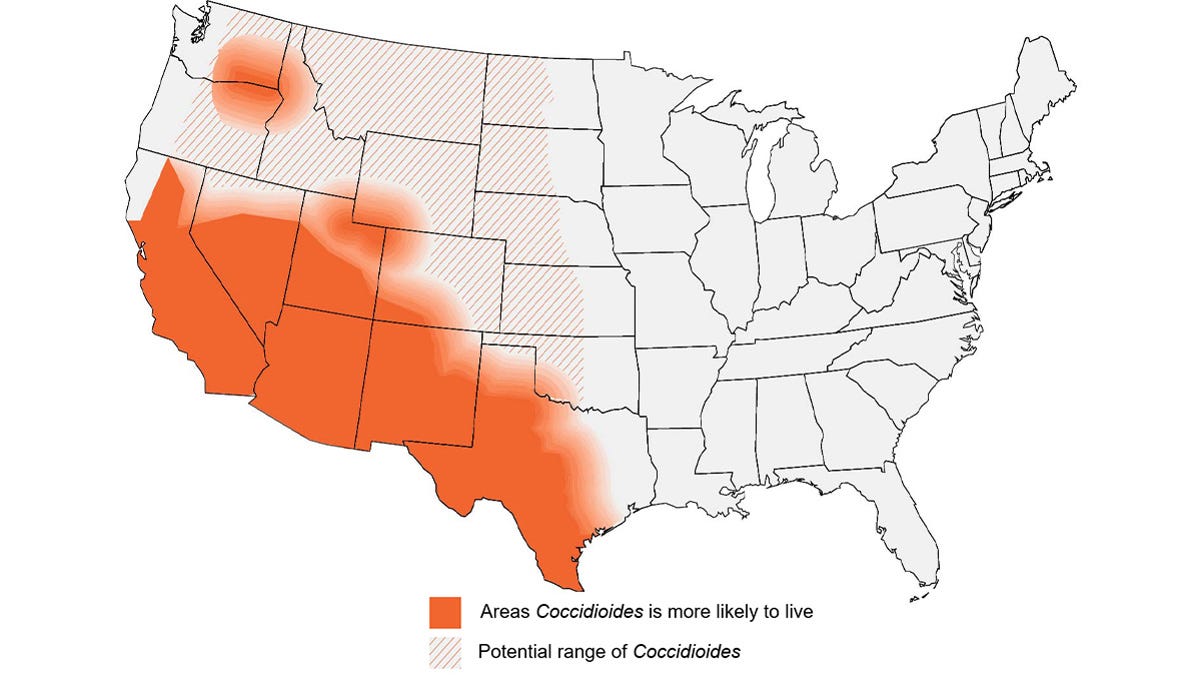
As climate change drives hotter, drier, and more extreme weather, these microscopic threats are spreading farther and becoming more resilient — sometimes with deadly consequences.
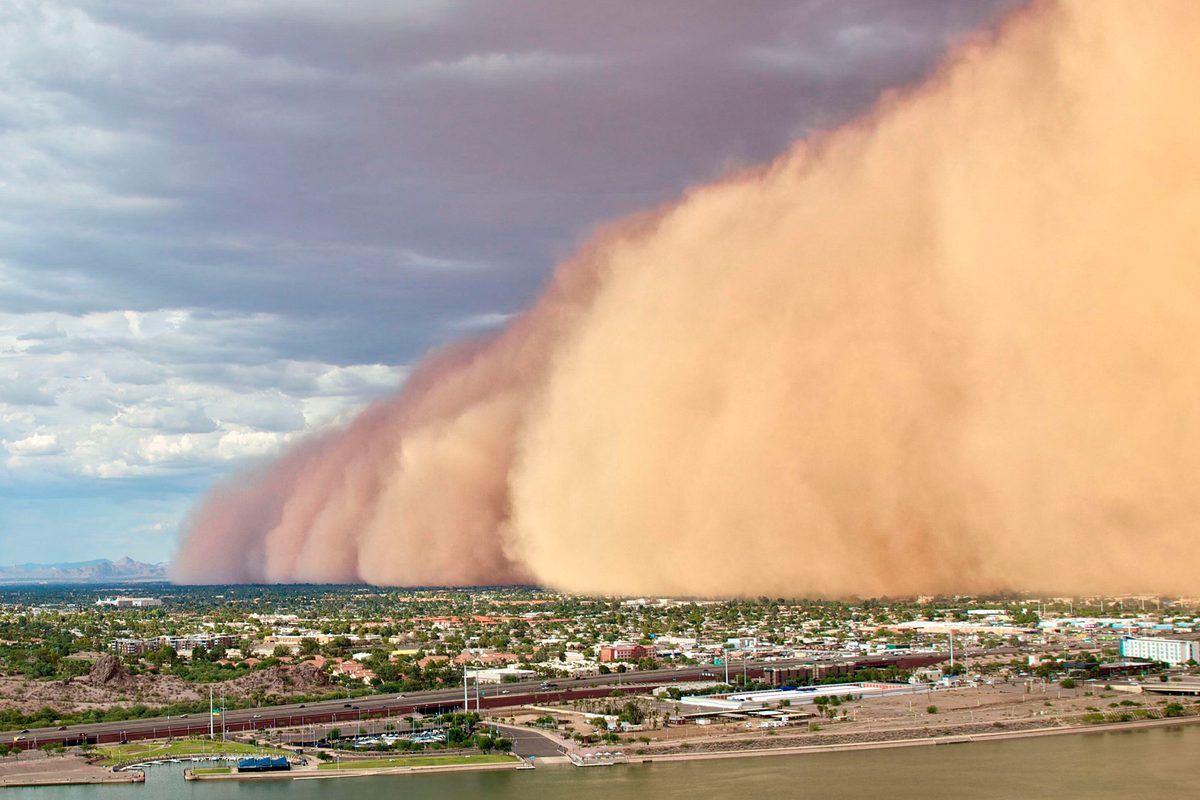
Fungal spores can spread anytime soil is disturbed and particles are sent into the air. Dust storms are the most visible driver, especially in the Southwest. BBC Science Focus Magazine reported that strong winds can lift dry, contaminated soil into the atmosphere, sometimes forming fast-moving walls of dust known as haboobs. These clouds can sweep particles — including fungal spores — across large distances, increasing the risk of inhalation.