T
oday, more than four weeks after the United States and Israel launched a war against the Iranian regime, which seems to have escaped the scenarios they had planned for it, one key player has unfortunately come to be discussed less and less, despite being on the front lines of the conflict: the Iranian people.
The people's uprising at the end of December had raised hopes that the Iranians would push through regime change all by themselves. That protest movement, which spread like wildfire, condemned the devastating effects of the policies Supreme Leader Ali Khamenei had imposed, leading the country to fall into a historically weak state. The unprecedentedly violent crackdown on the protests established an irreparable rift between the people and the ruling caste, which claims to represent them but has solely focused on its own survival and privileges. This rift grew to the point of fueling hopes for a foreign military intervention.
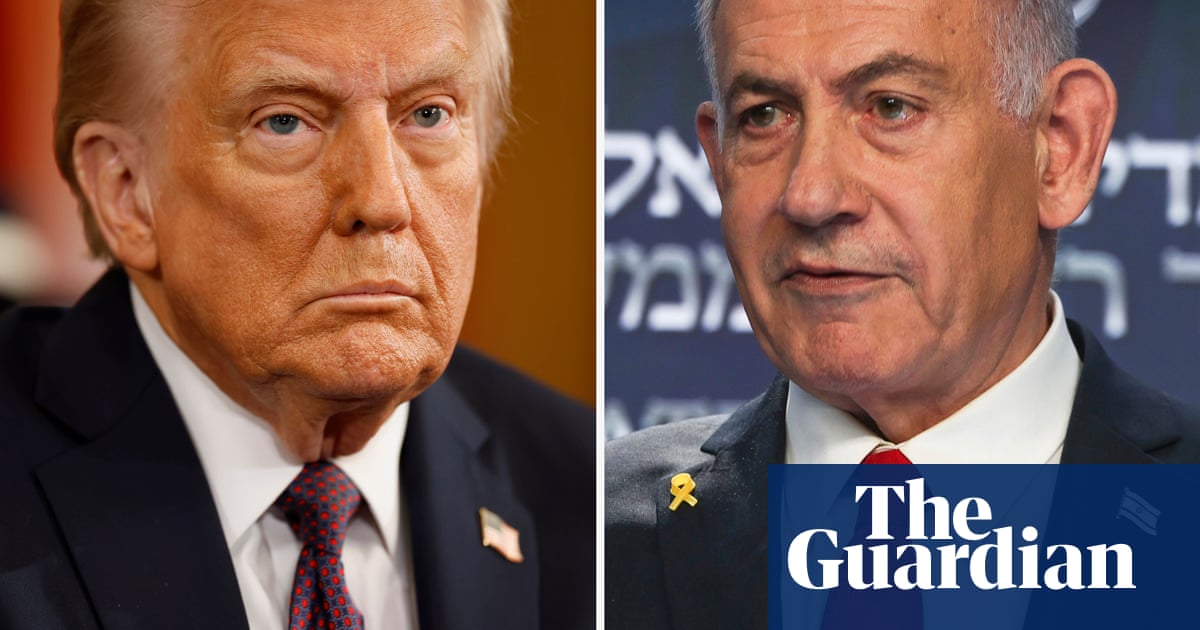
Israeli Prime Minister Benjamin Netanyahu and US President Donald Trump incited the protesters to rise up against the regime, a repressive machine that had already proven that it would stop at nothing, in 2018, 2019 and 2022 – to cite just the most recent waves of unrest. The US president even told them "help" was on its way. That was a lie, and blood was shed.