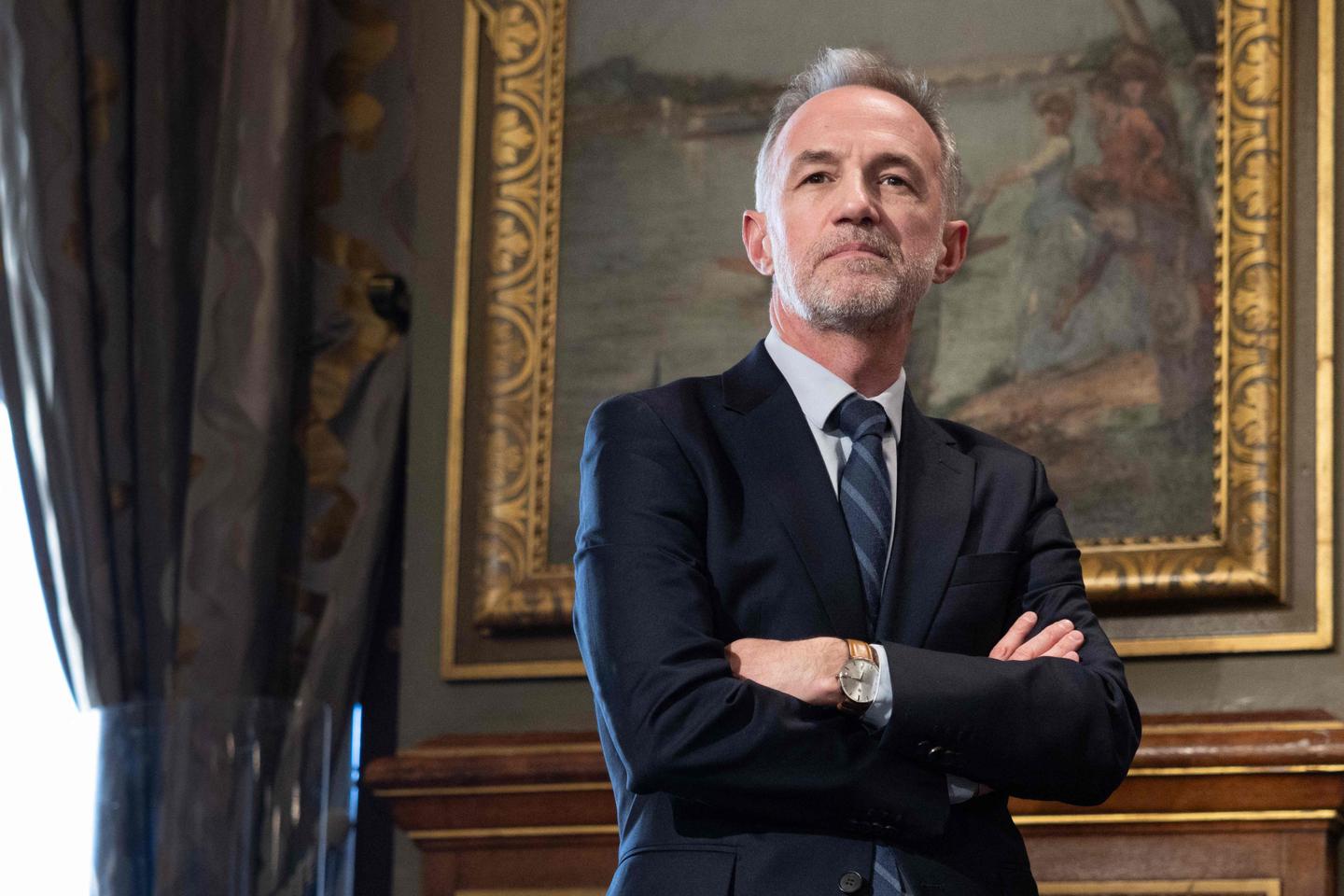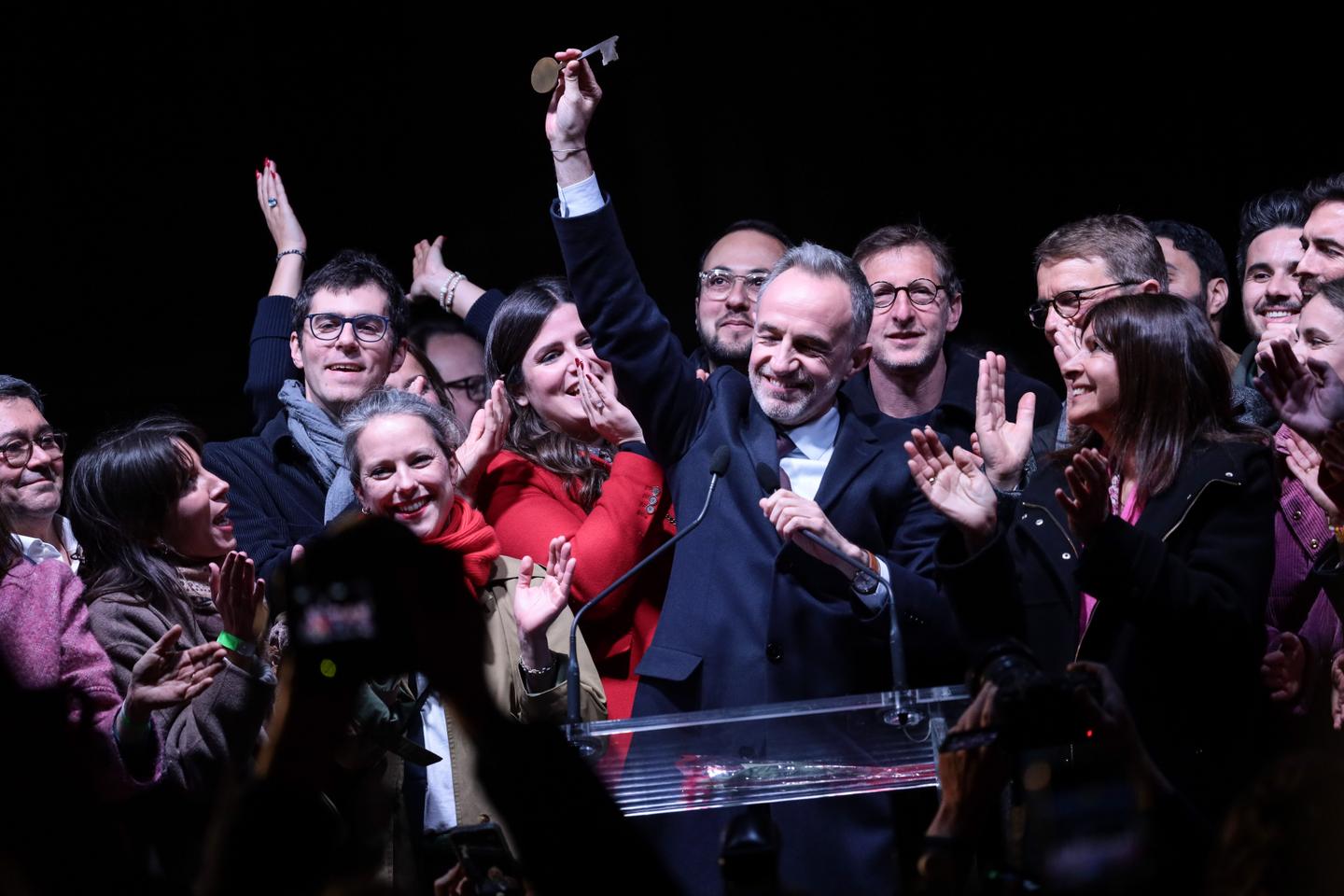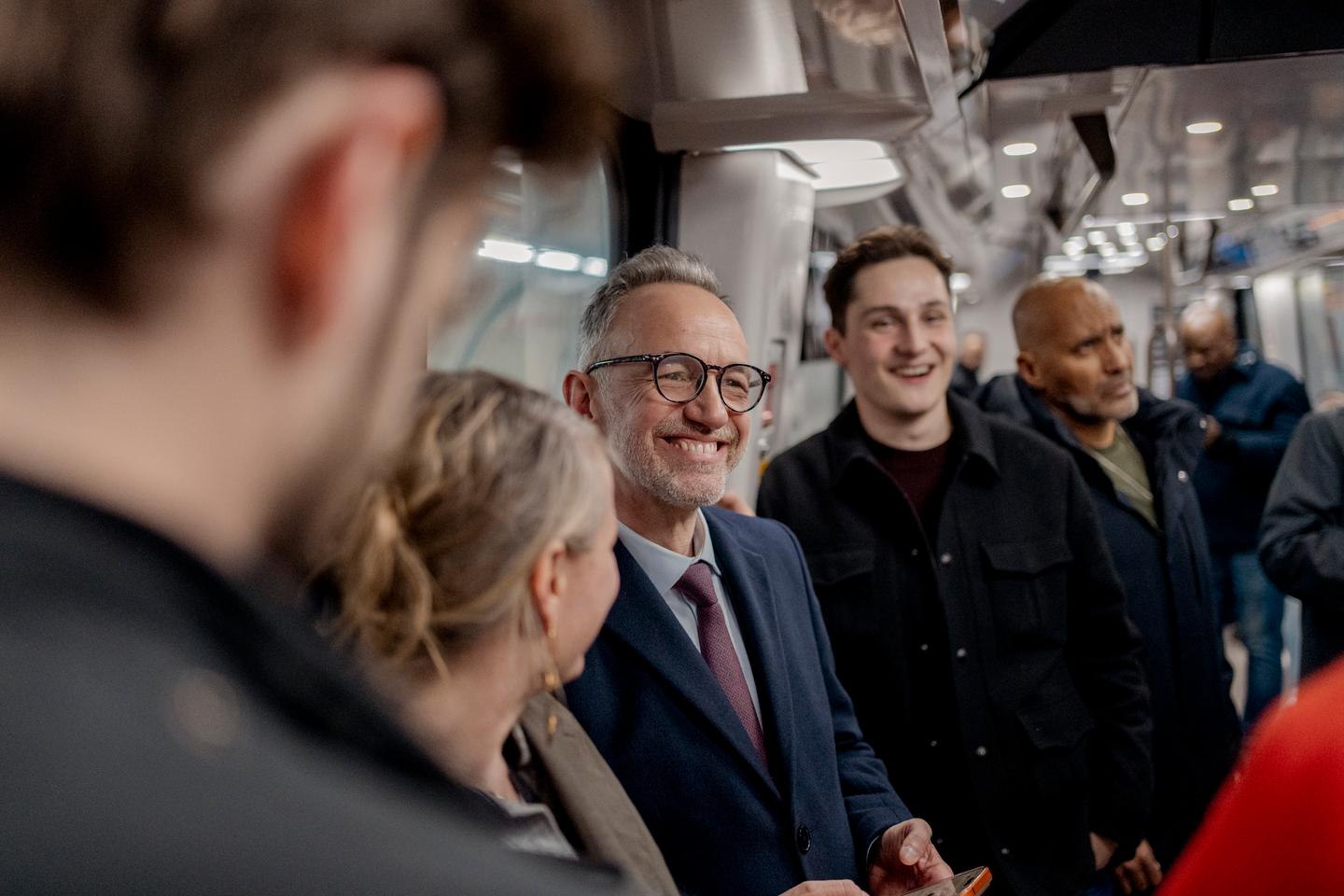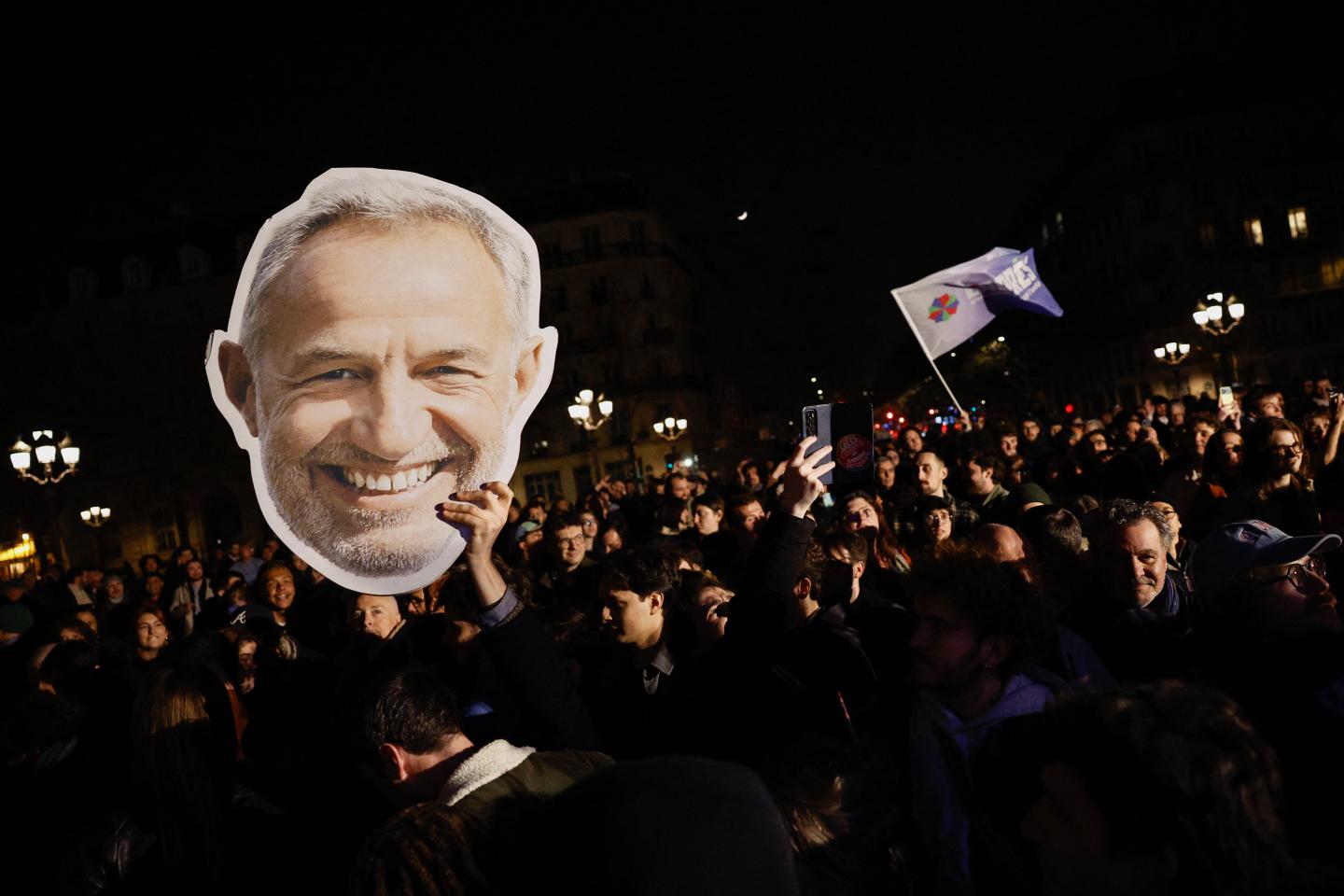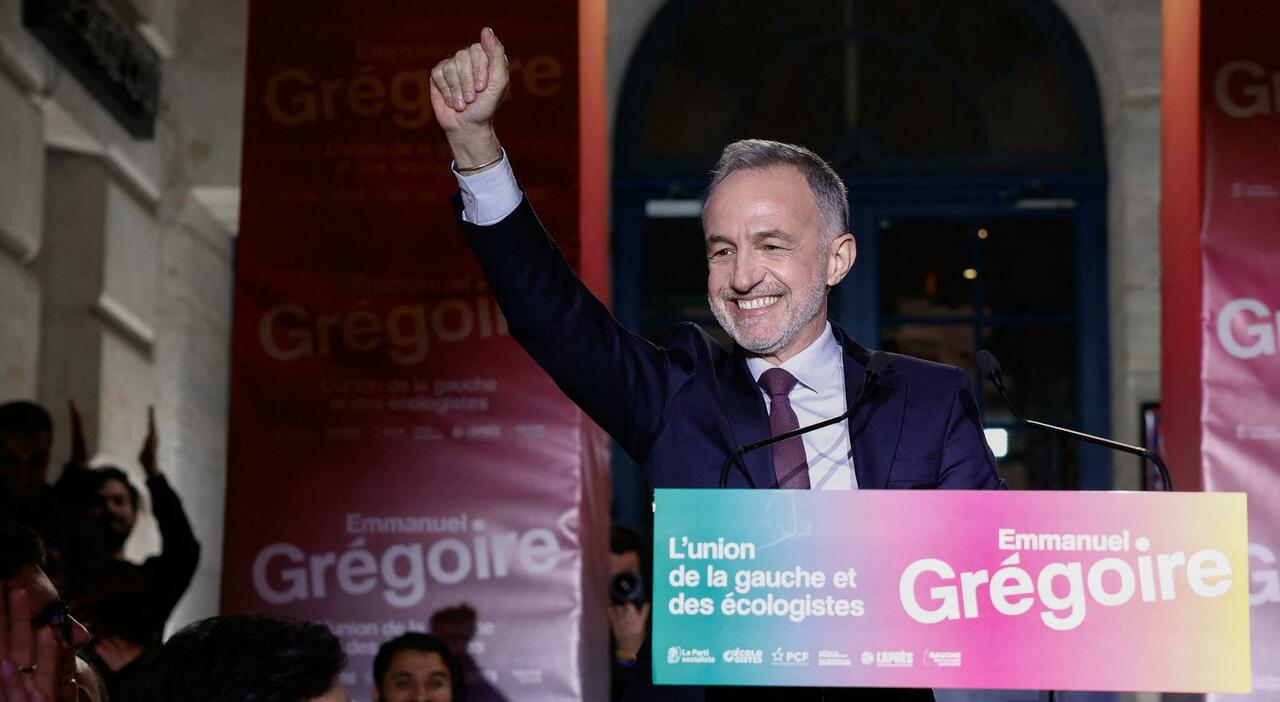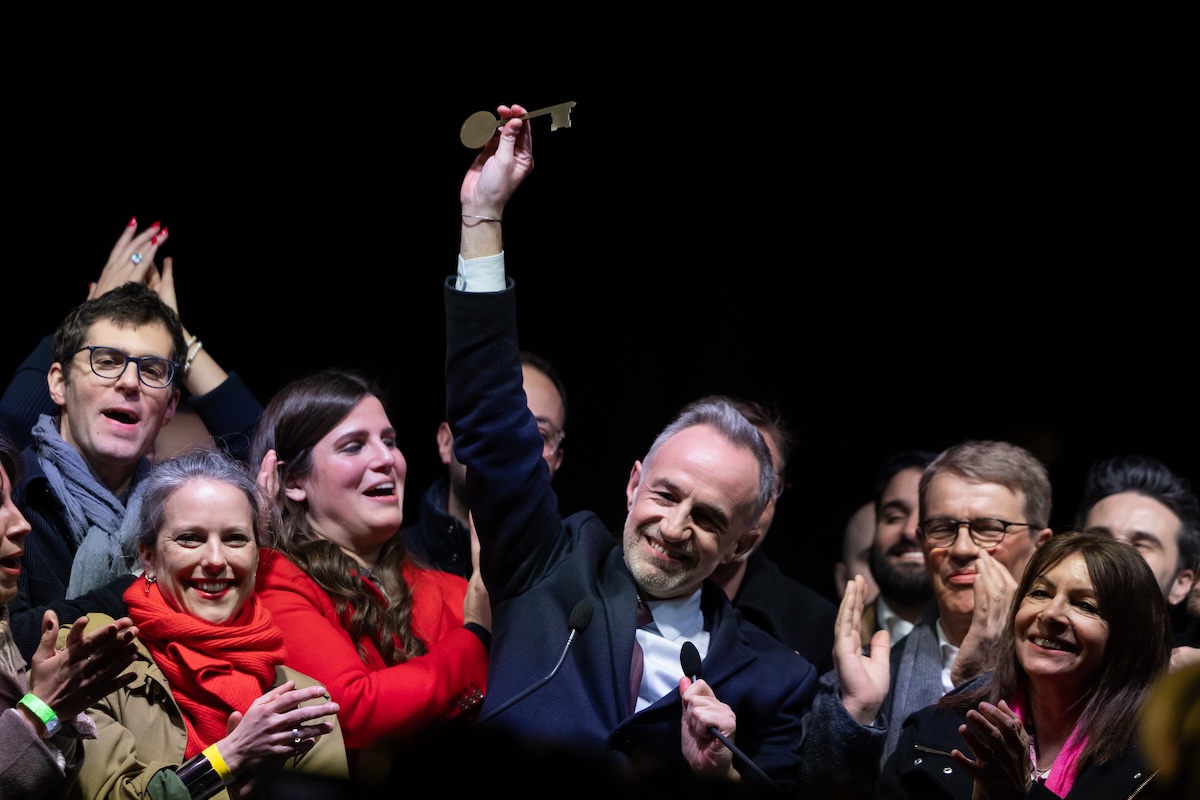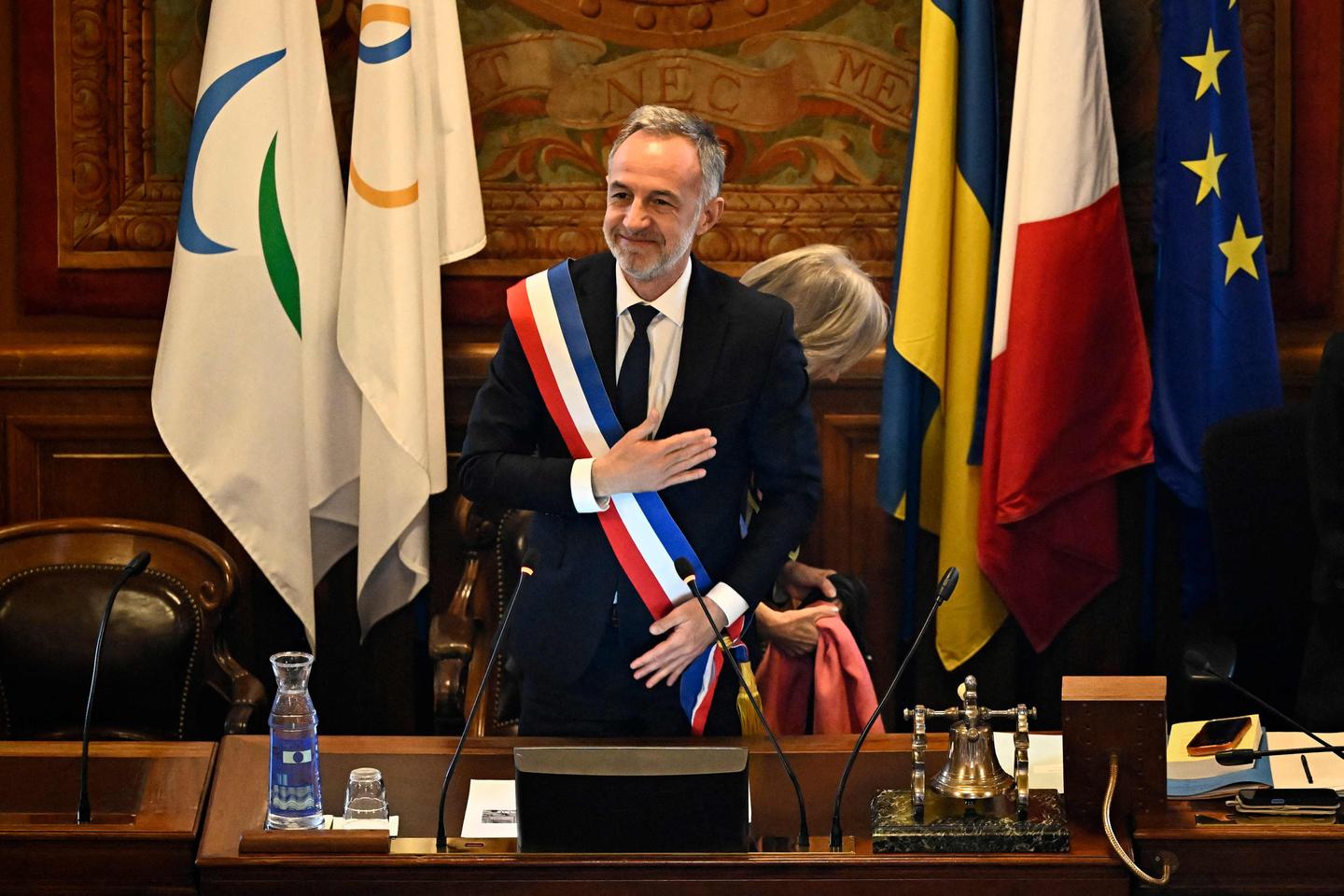
The newly-elected mayor of Paris, Emmanuel Grégoire, greets Paris's city council during its inaugural session at Paris City Hall, on March 29, 2026. JULIEN DE ROSA/AFP
Until the very end, Emmanuel Grégoire's alliance of left-wing parties, excluding the radical left La France Insoumise (LFI) party, remained united behind the Socialist. On Sunday, March 29, Grégoire was officially elected mayor of the French capital city by the new Council of Paris, with 103 votes out of 163. No vote was missing from Grégoire's coalition, which won the largest ever majority in the Parisian representative body. During the new city council's first session, the majority and opposition representatives stuck to their expected roles, even, at times, leaving observers with the impression that the debates were simply picking up where they had left off before the municipal election campaign.
Subscribers only
Paris municipal elections: Emmanuel Grégoire and the united left achieve a resounding victory
Within the council, which was 55% renewed, one new member sought to present herself as a driving force for change: Sophia Chikirou, who finished third in the second round with 7.96% of the vote and, with nine councilors, eight of whom are newcomers, leads the first-ever group of LFI councilors in Paris. She declared, "In this chamber, the only new thing is us." During the campaign, Chikirou had not held back in criticizing Grégoire, notably during a debate held between the two rounds, and she positioned herself as a "left-wing opponent," ready to clash with him over the next six years – or seven, as the next municipal elections could potentially be pushed back to 2033, to avoid overlapping with the 2032 presidential election.