https://arab.news/ynmp5
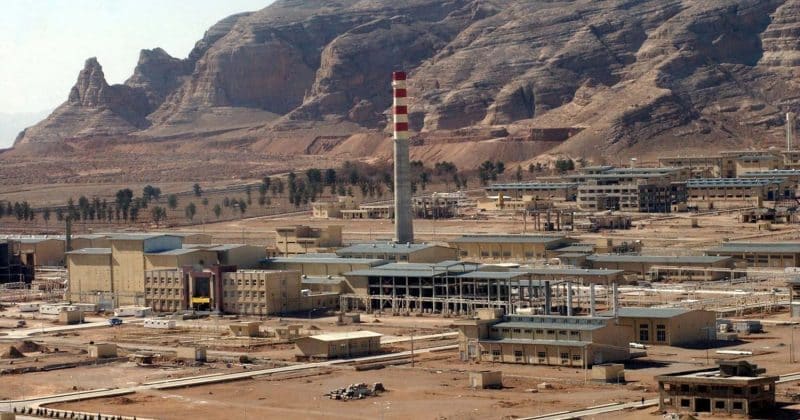
The world’s most consequential nuclear standoff is being conducted largely in the dark. The International Atomic Energy Agency, the institution mandated to prevent nuclear proliferation, has admitted it cannot determine whether Iran’s new underground enrichment site at Isfahan is an operational facility or an empty hall. This is the defining condition of the most volatile diplomatic moment the Middle East has seen in decades.
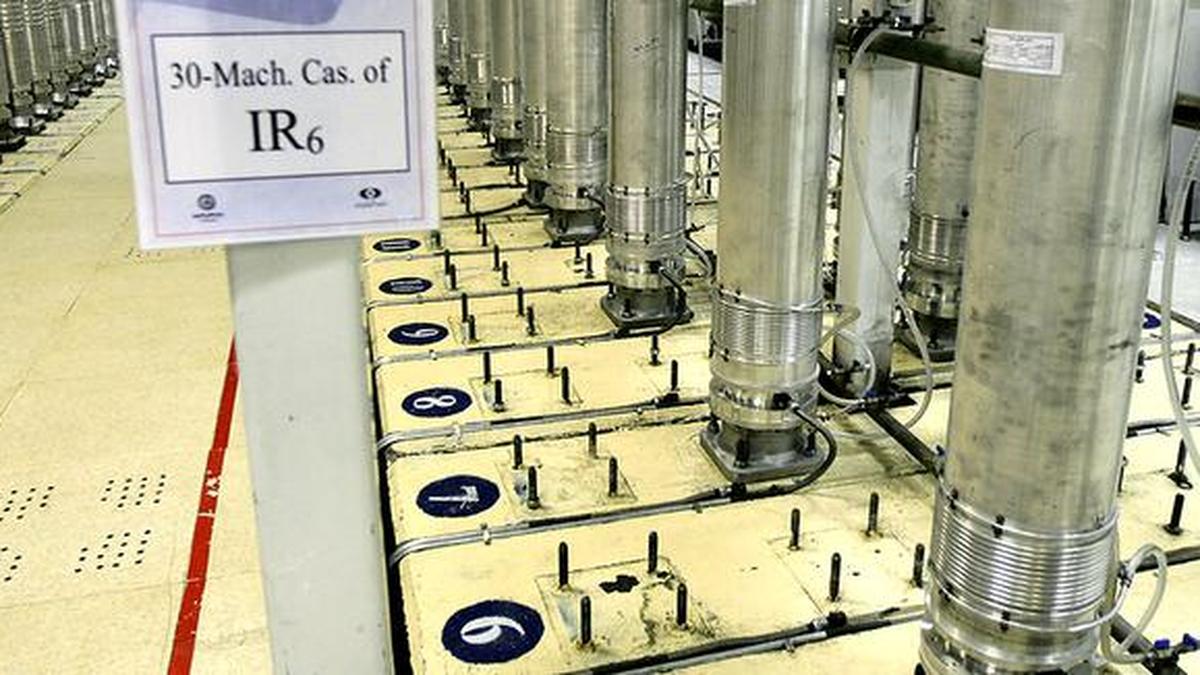
When Israel launched its first strikes against Iranian nuclear infrastructure last June, Iran held 440.9 kilograms of uranium enriched to 60 percent purity, a stockpile sufficient, by IAEA estimates, to produce as many as 10 nuclear weapons should Tehran choose to weaponize it. The IAEA also tracked a convoy removing what was believed to be a substantial portion of it from the Fordow facility shortly before hostilities began. Where it went remains unverified.
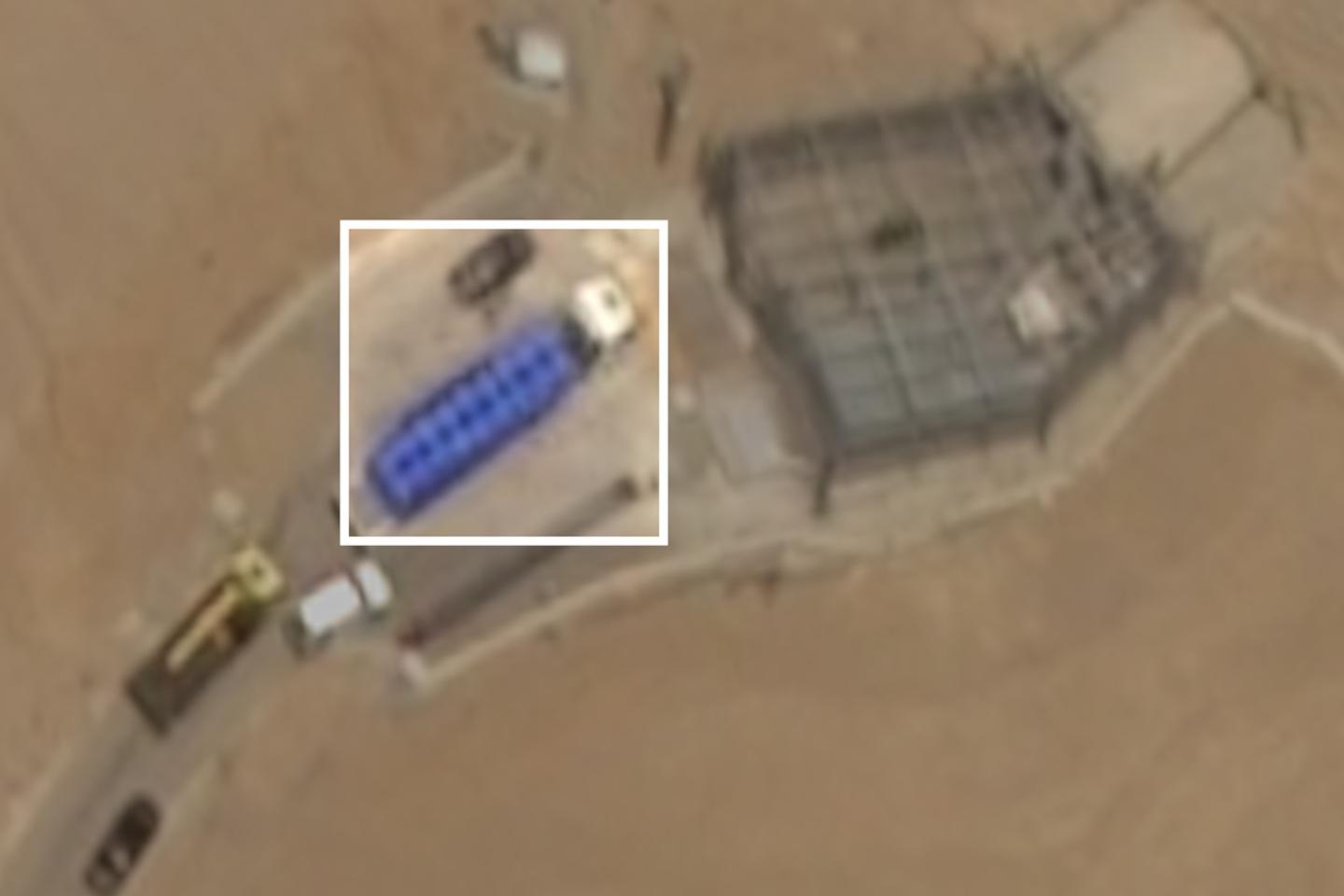
The agency has been reduced to monitoring vehicular movements around tunnel complexes using commercially available satellite imagery. This is the surveillance architecture of a nonproliferation regime under siege.
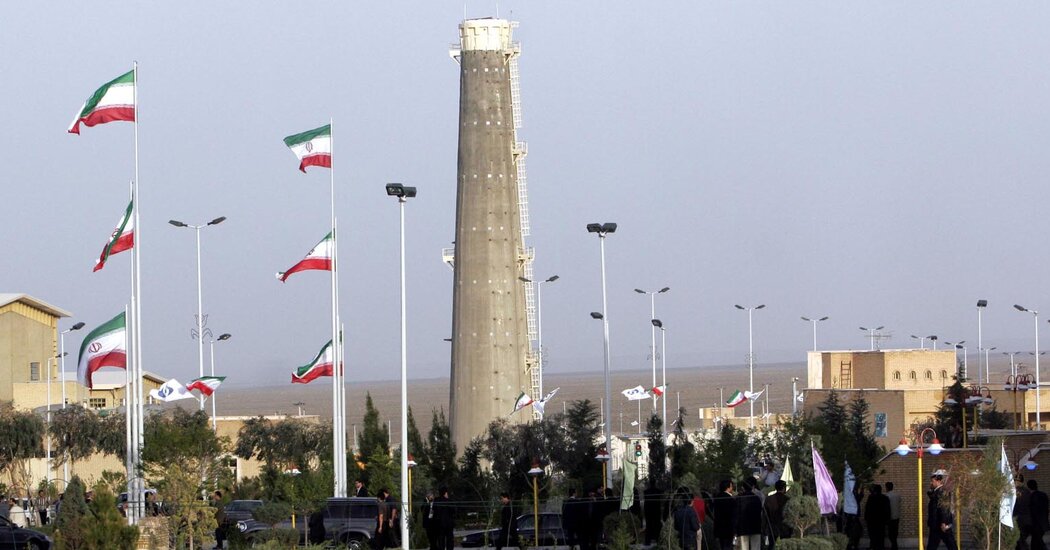
Iran’s nuclear opacity and its ambiguity predate the conflict by decades. Fordow’s existence was only disclosed to the IAEA in September 2009, after Western intelligence services had already exposed it. Iran had been constructing the site since 2006 without any declaration to the watchdog. Isfahan is following the same playbook, with construction taking place first and disclosure consistently delayed, allowing the uncertainty itself to serve a strategic purpose.