Unlimited digital access to all reporting, podcasts, newsletters and events
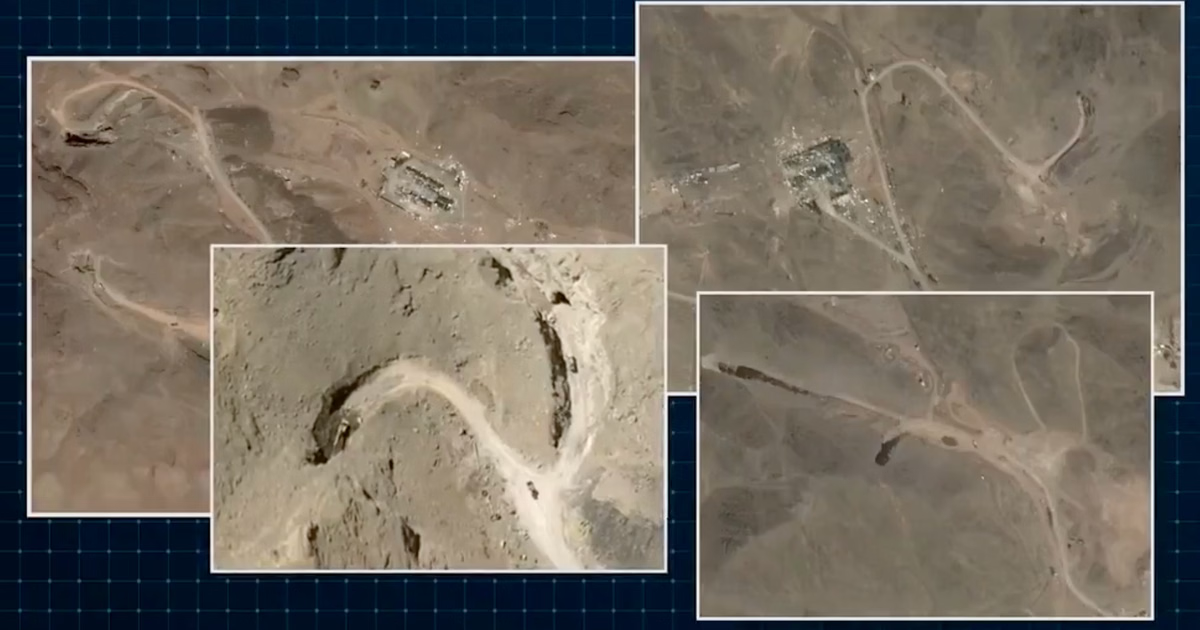
Iran’s nuclear programme is distributed among several sites around the country, to make it harder to attack and disrupt.
The country has domestic sources of uranium. Its largest mine is at Saghand, in east-central Iran. But mined uranium is mostly the wrong type for nuclear weapons: it is over 99% uranium-238 (U-238; the number refers to the mass of each atom). Bombs require its lighter cousin, uranium-235 (U-235), which makes up just 0.7% of natural uranium.
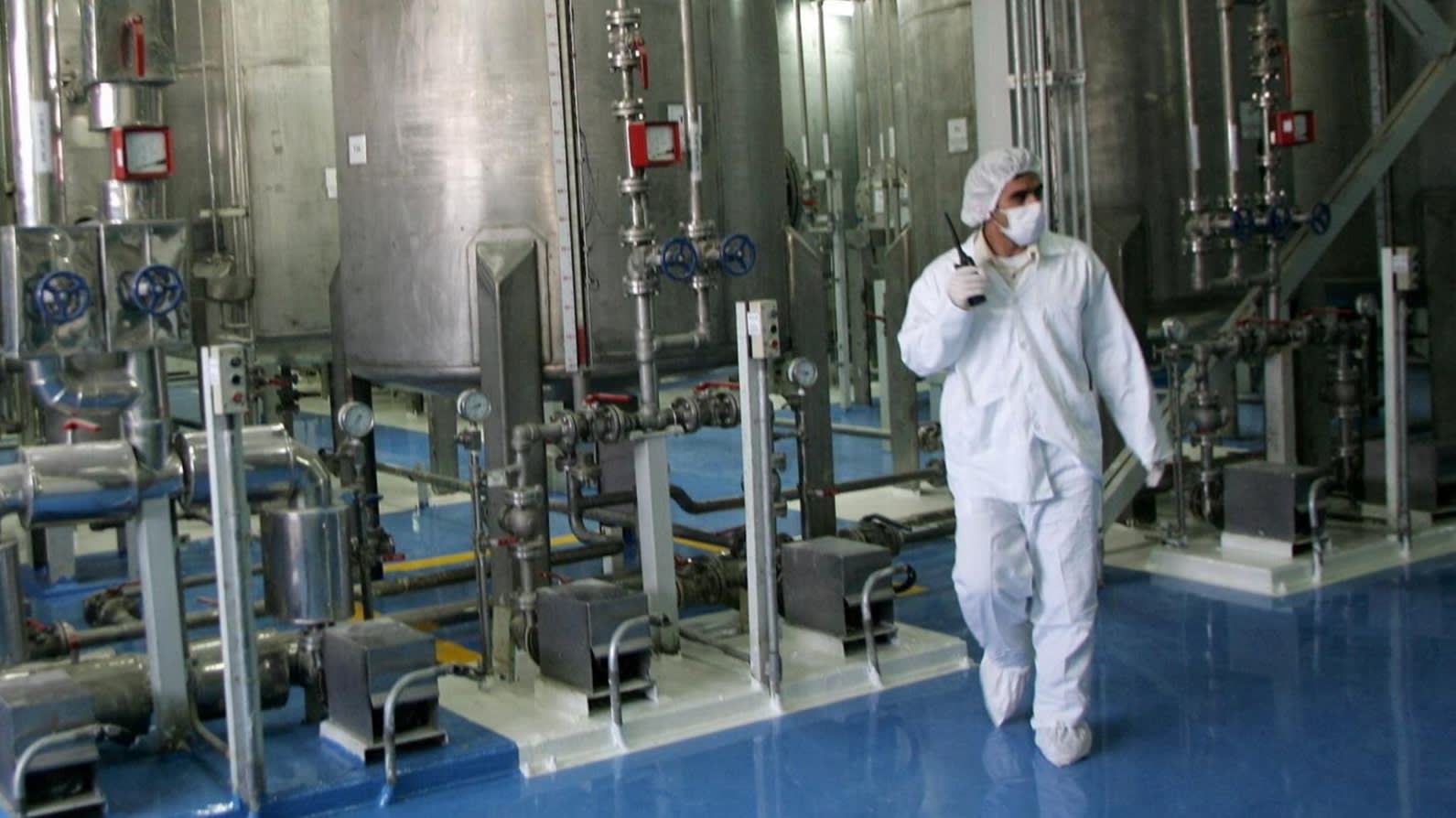
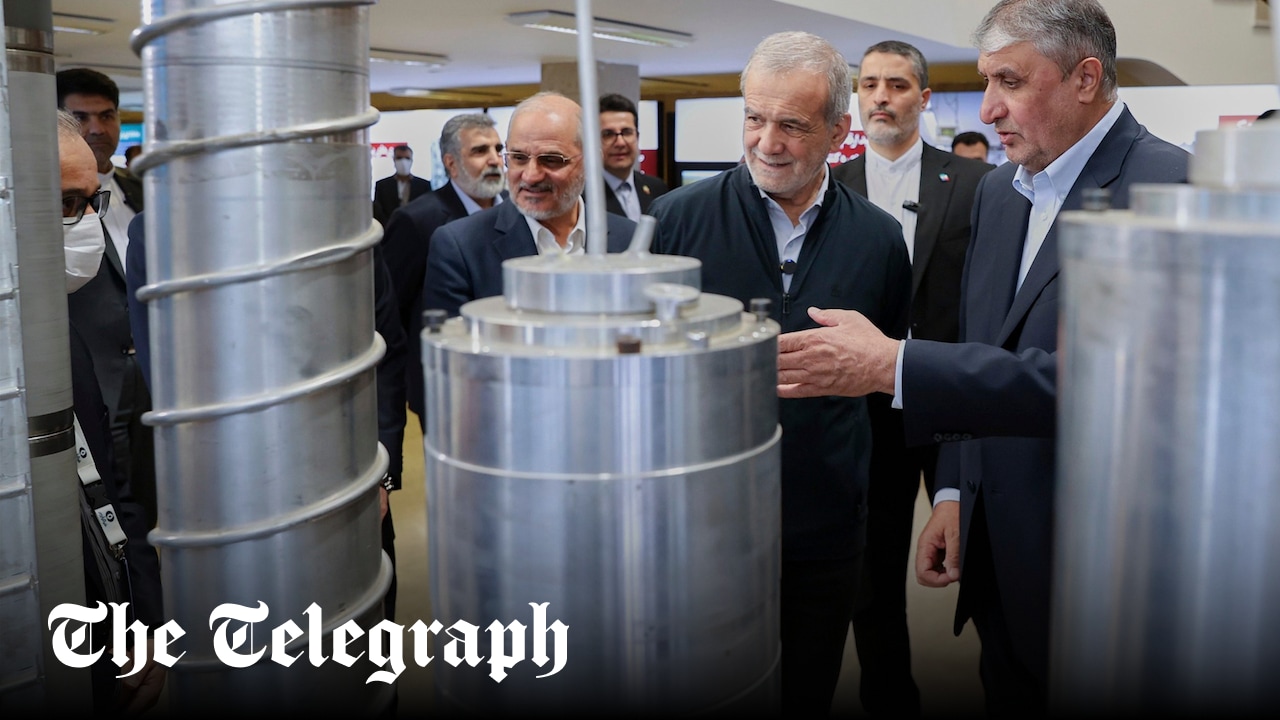
To get at the lighter uranium, the metal is converted into a gas, uranium hexafluoride, and spun in centrifuges at extremely high speeds. The heavier U-238 tends to move to the outside, making the gas at the centre slightly richer in U-235. If this process is repeated many times, the concentration of U-235 can be raised as high as 90%, creating weapons-grade uranium.
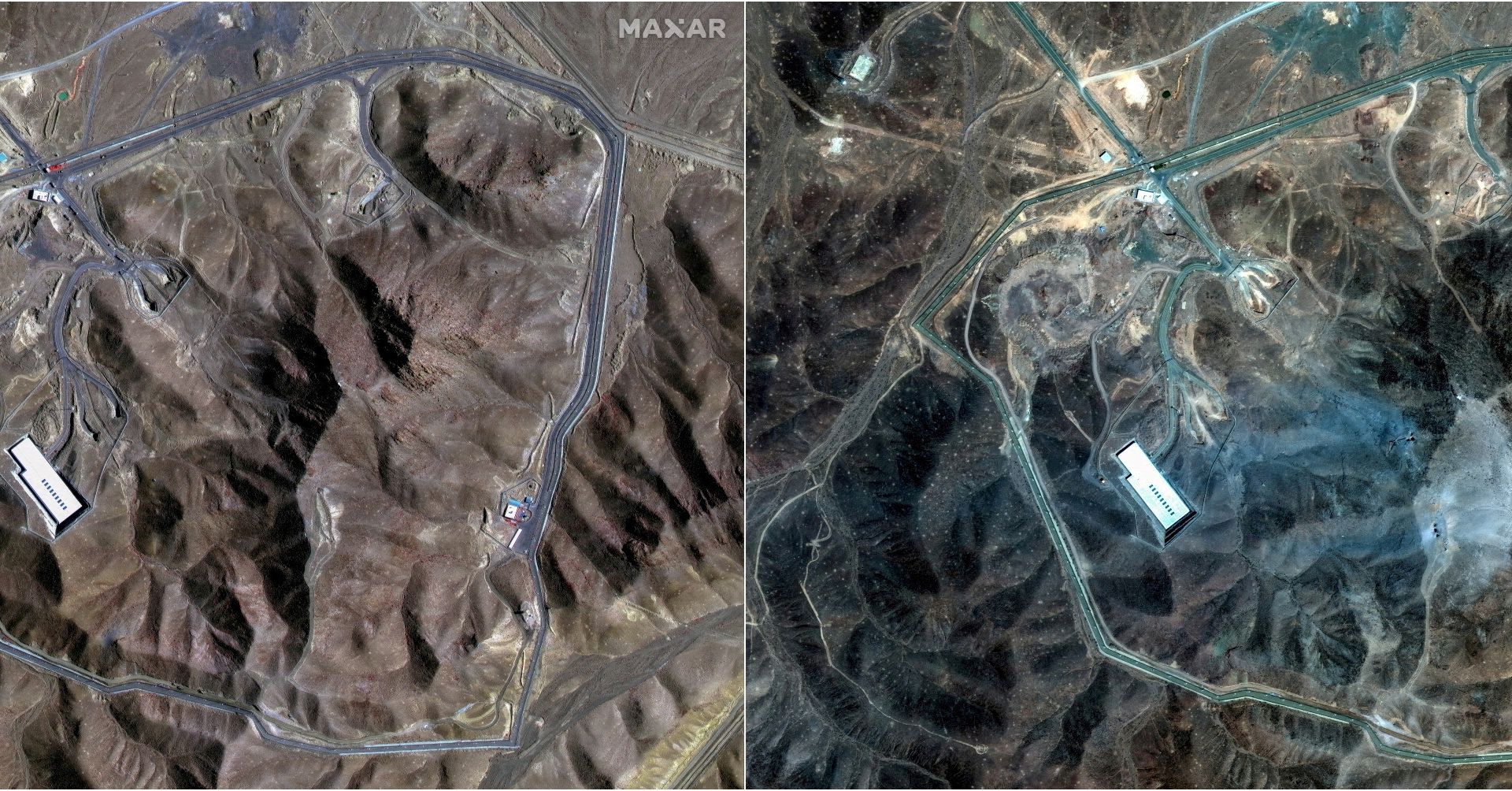
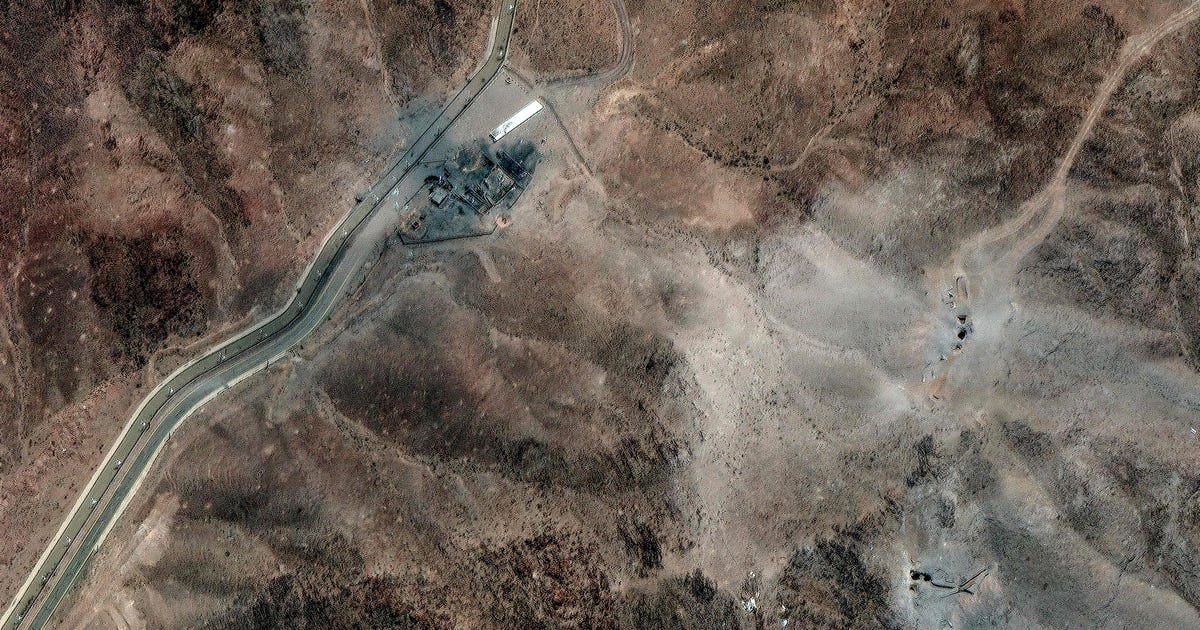
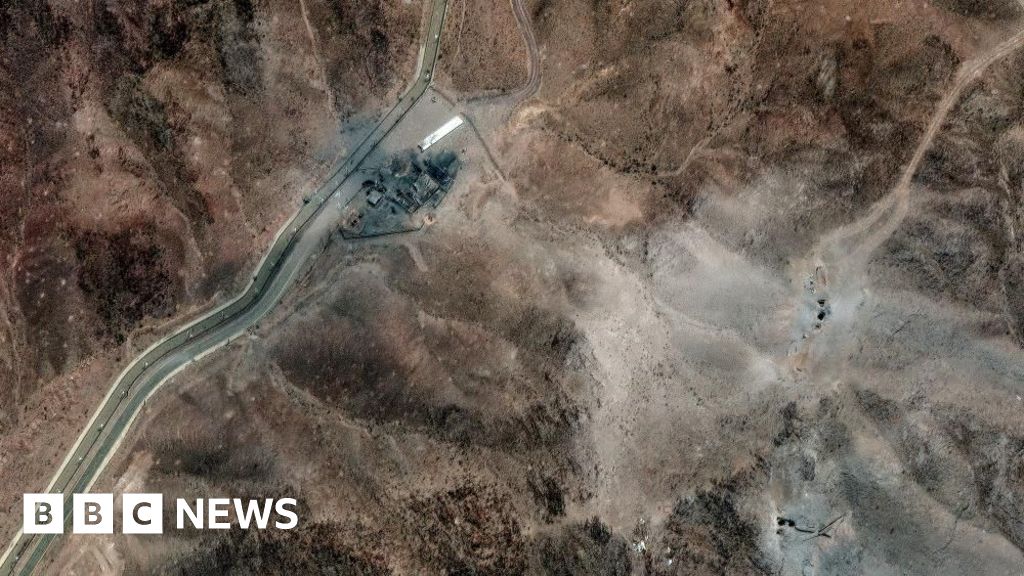
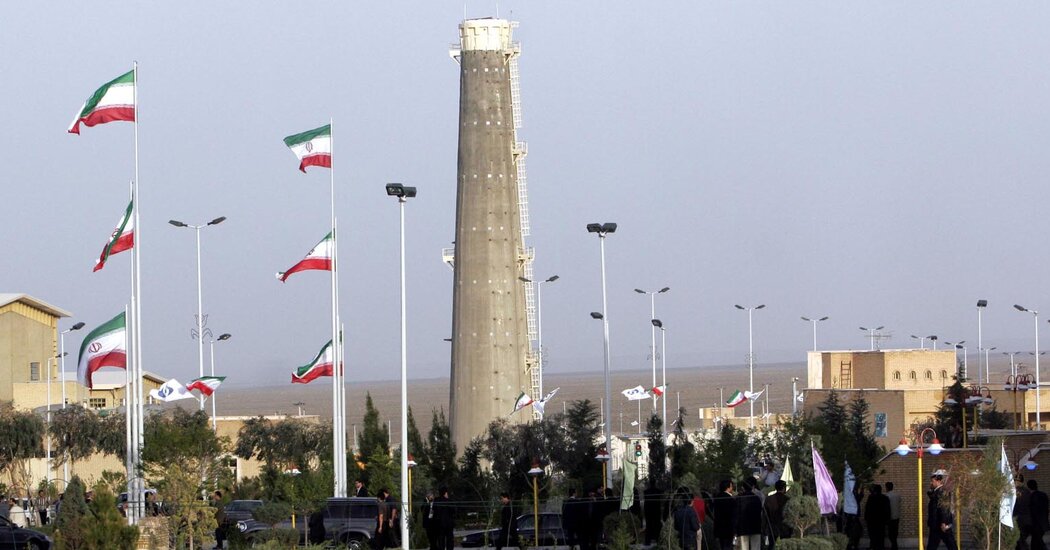
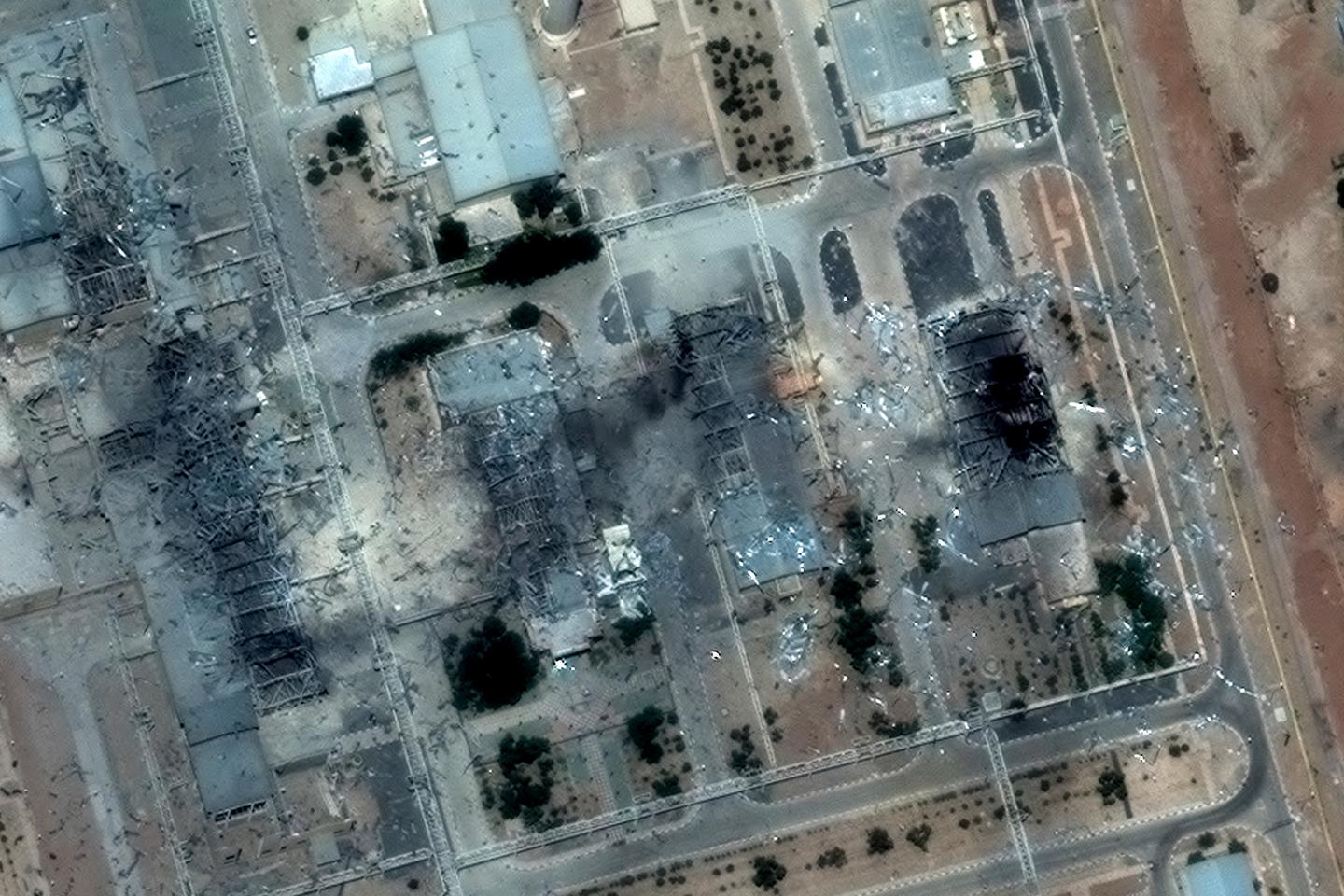
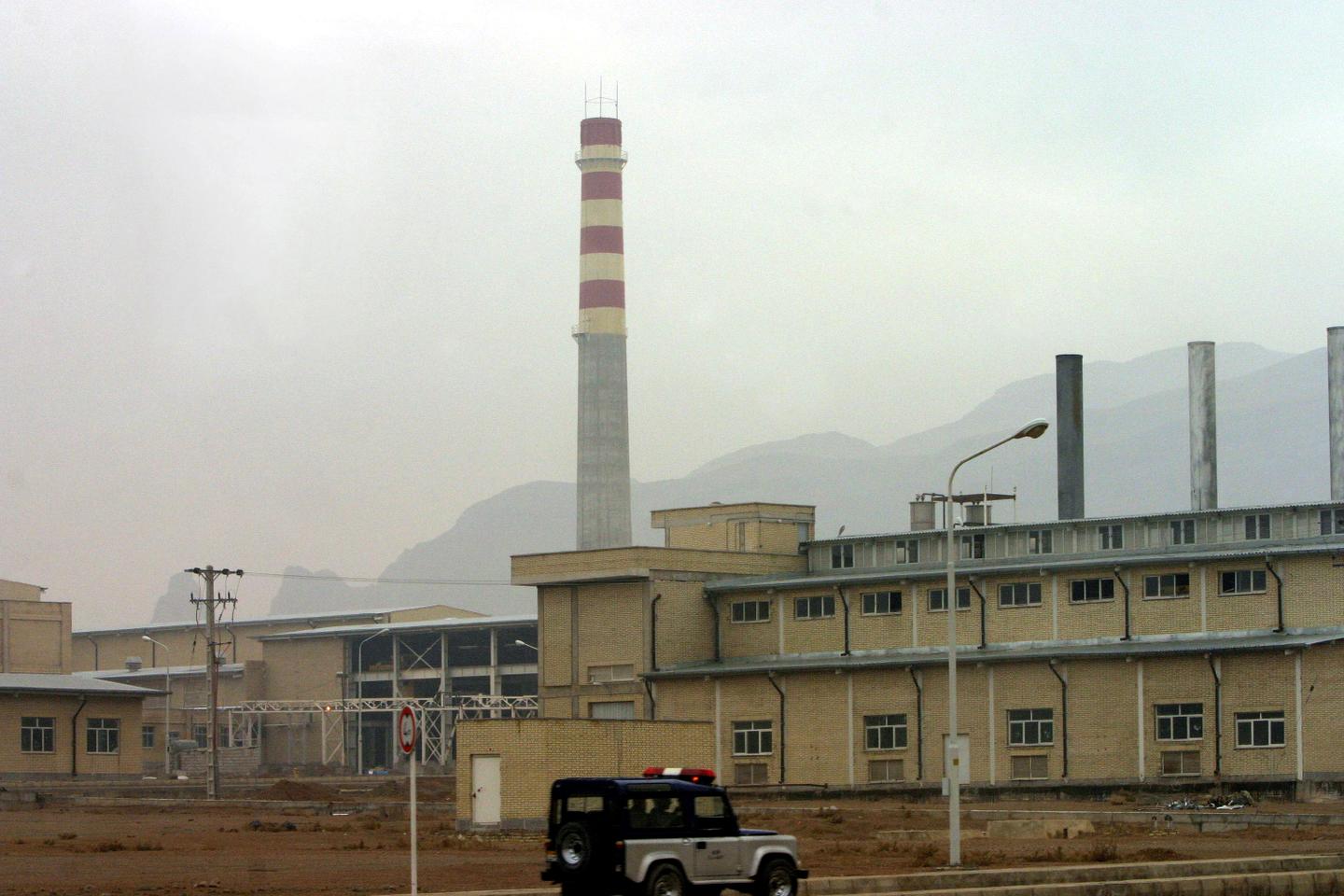
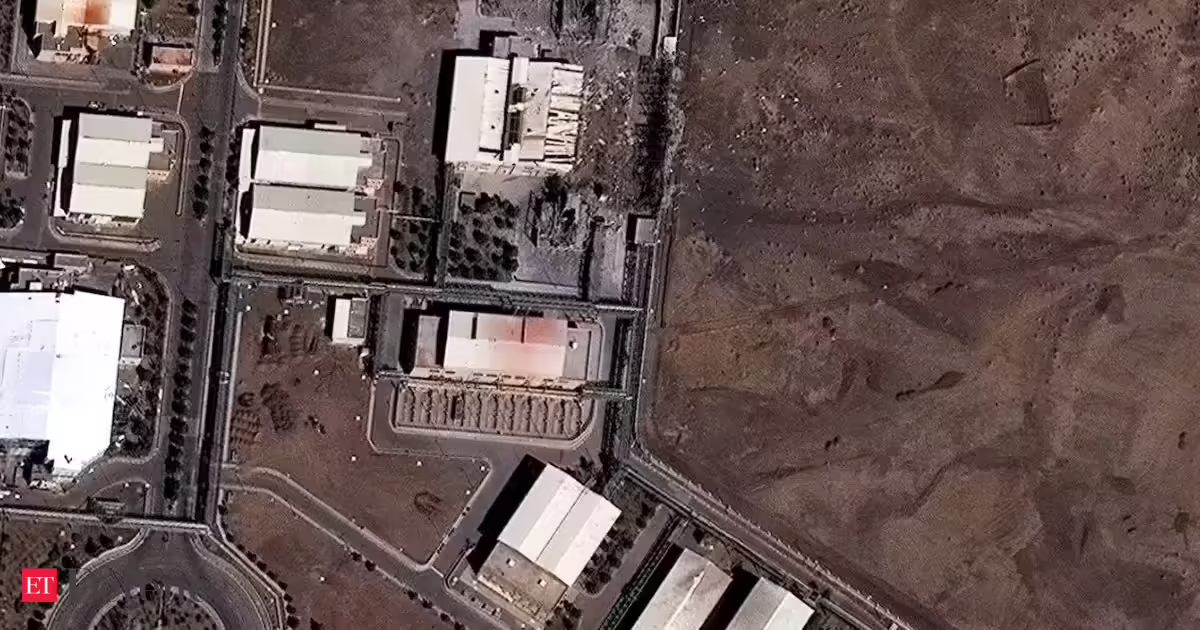
The Natanz enrichment plant was Iran’s largest. An underground hall held around 18,400 centrifuges, according to the Institute for Science and International Security, a think-tank. The site also housed an above-ground centrifuge-research facility.