https://arab.news/bkxr9
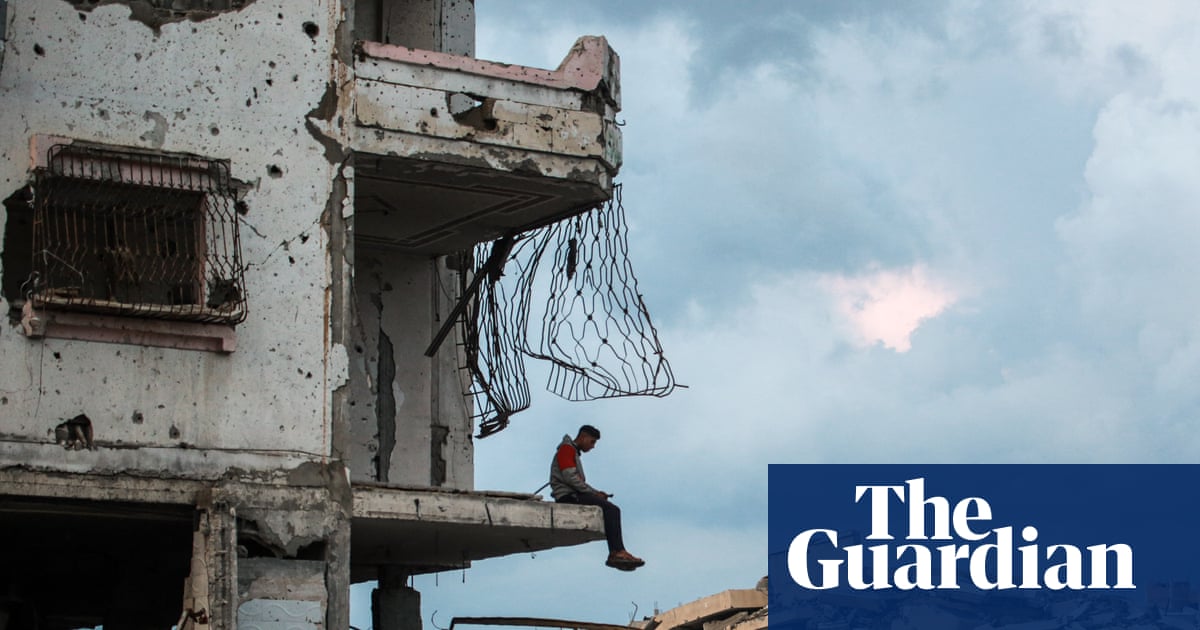
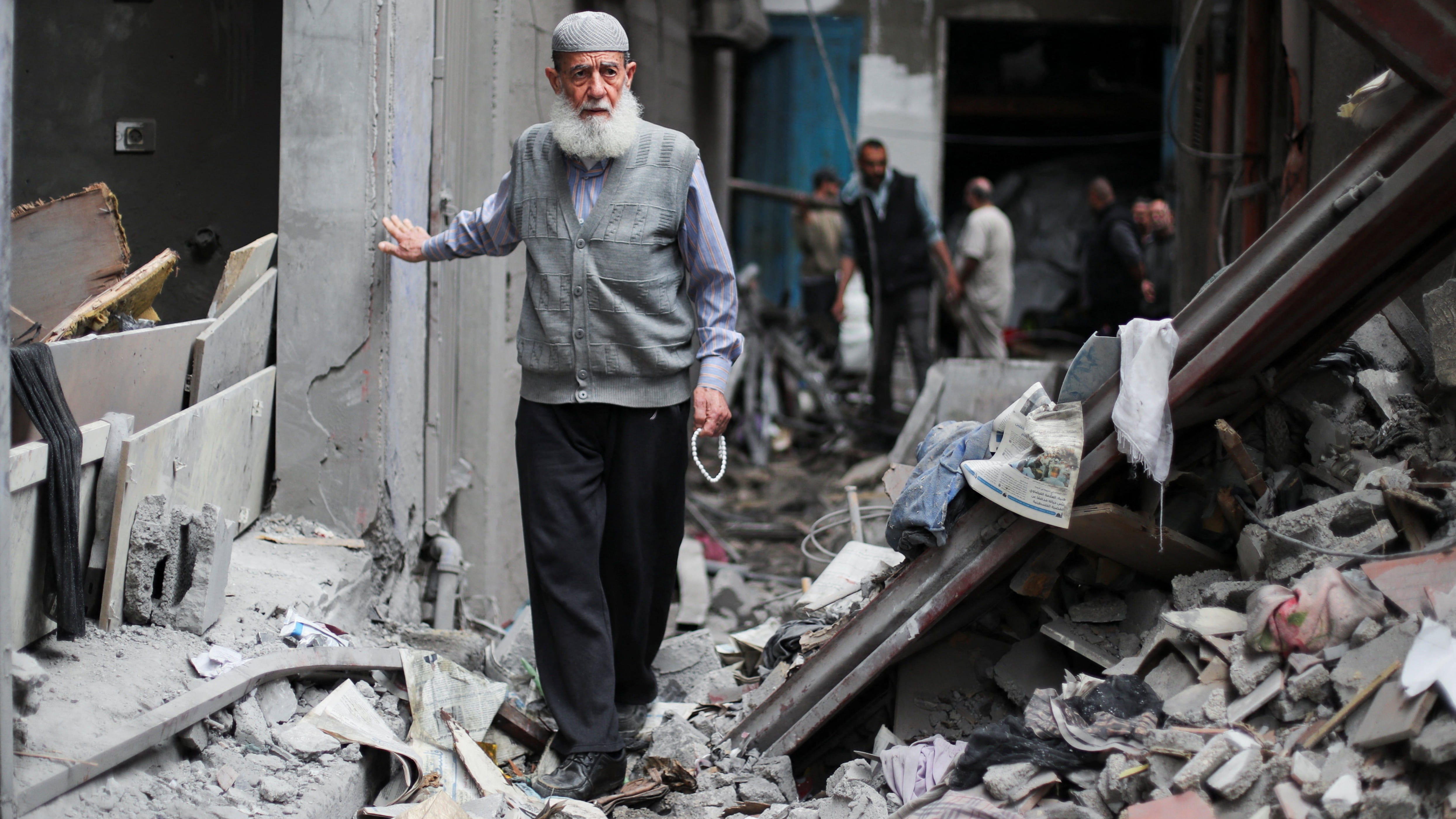
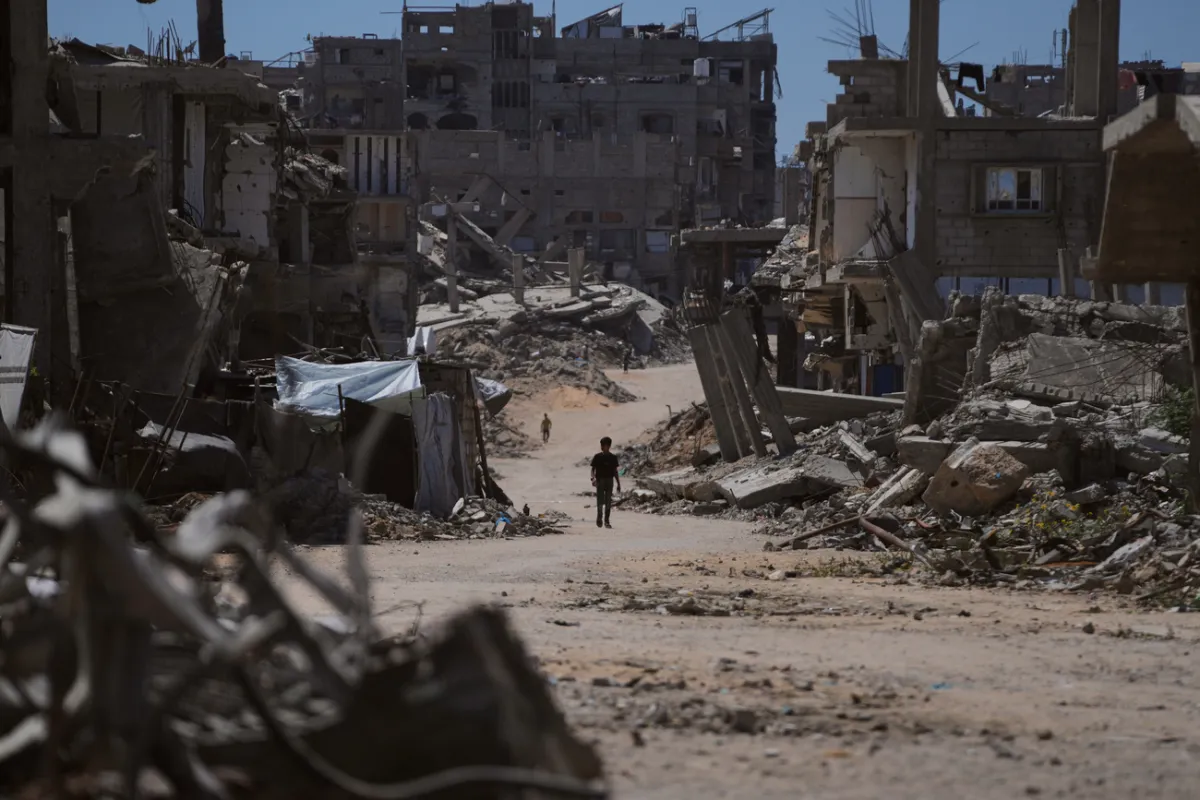
Five months after all parties agreed to a US-sponsored ceasefire, the Israeli occupiers continue to be in charge of Gaza. The truce that briefly raised hopes in late 2025 —backed by UN Security Council Resolution 2803, adopted on Nov. 17 — never took root. Israel’s military presence has effectively expanded and restrictions on aid, fuel and movement have persisted. The Office of the UN High Commissioner for Human Rights last week warned that Palestinians in Gaza continue to live “under conditions of precarity and dehumanization” five-plus months after the ceasefire was proclaimed.
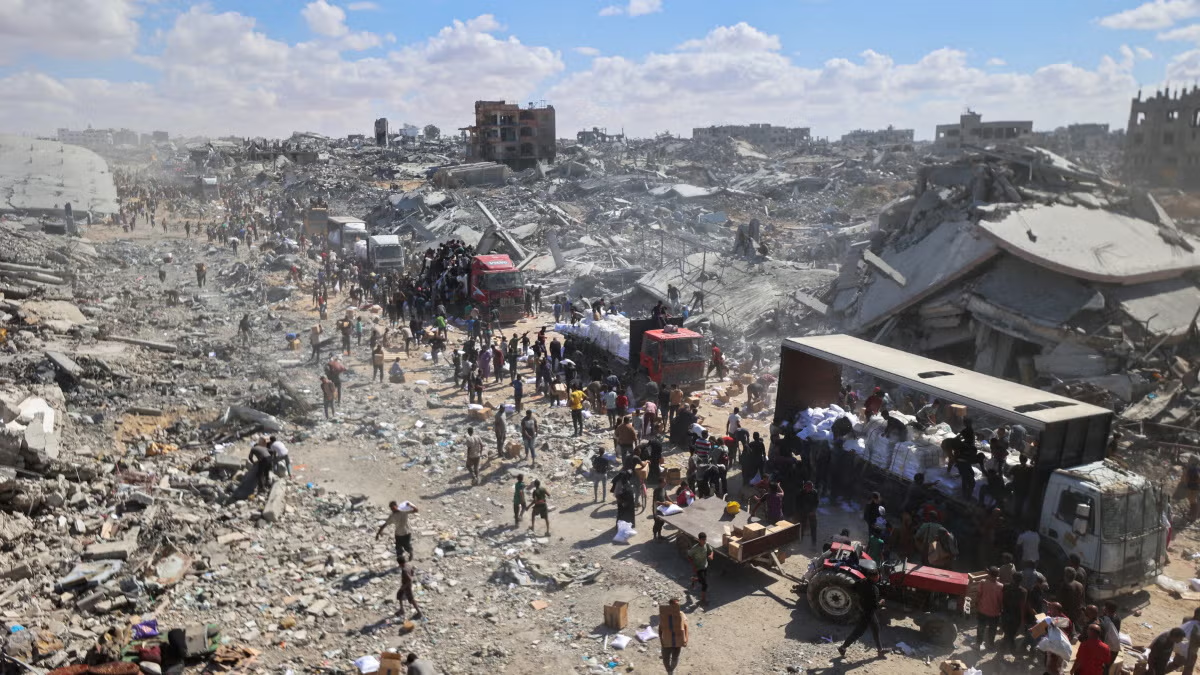
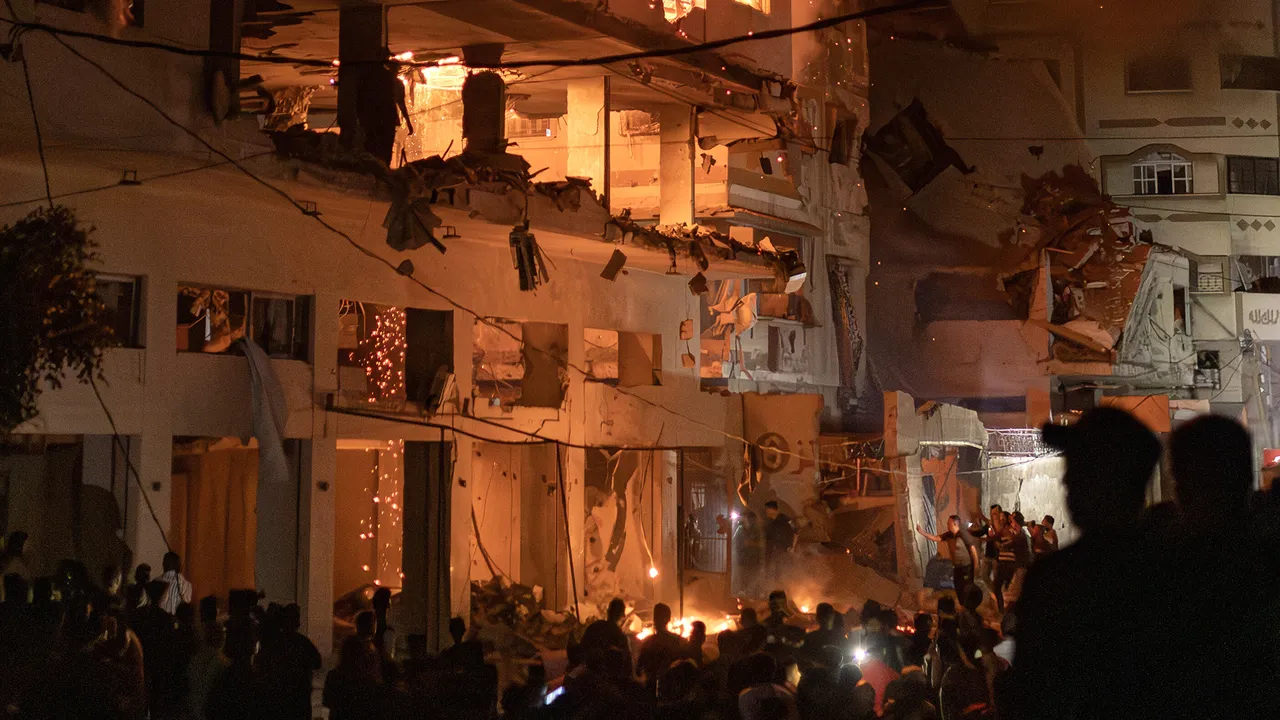
Ramadan ended amid deepening humanitarian needs and heightened exposure to violence, displacement and property destruction. Aid convoys reach Gaza in limited, irregular numbers, with only a fraction of the promised trucks materializing, while fuel deliveries are markedly insufficient. Essential services — hospitals, water systems and sanitation — operate on the edge of collapse, hampered by irregular inputs and ongoing disruption. That means electricity is only on for a few hours and hospitals are always on edge out of fear that, without fuel supplies, their critical generator will turn off.