https://arab.news/9xv56
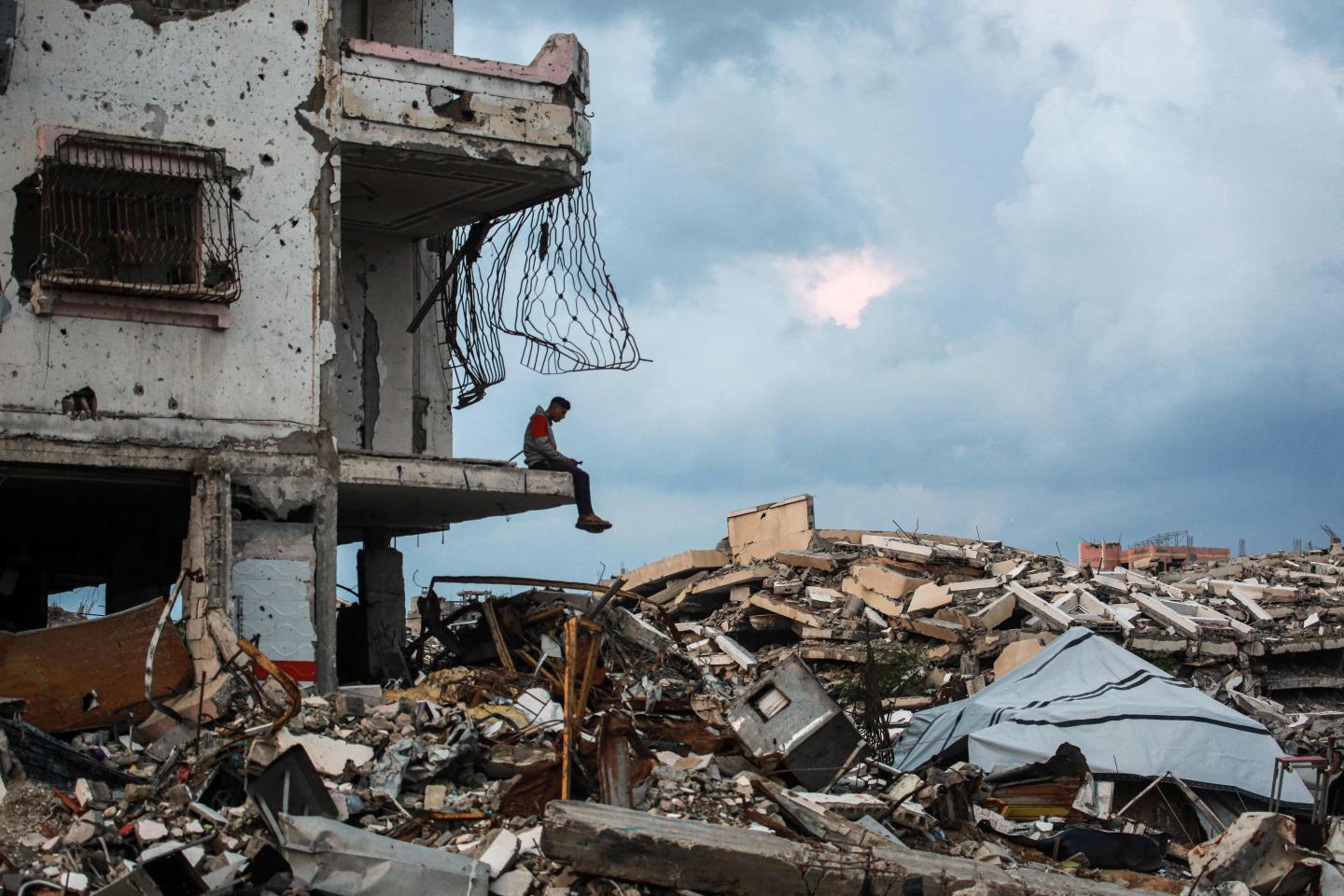
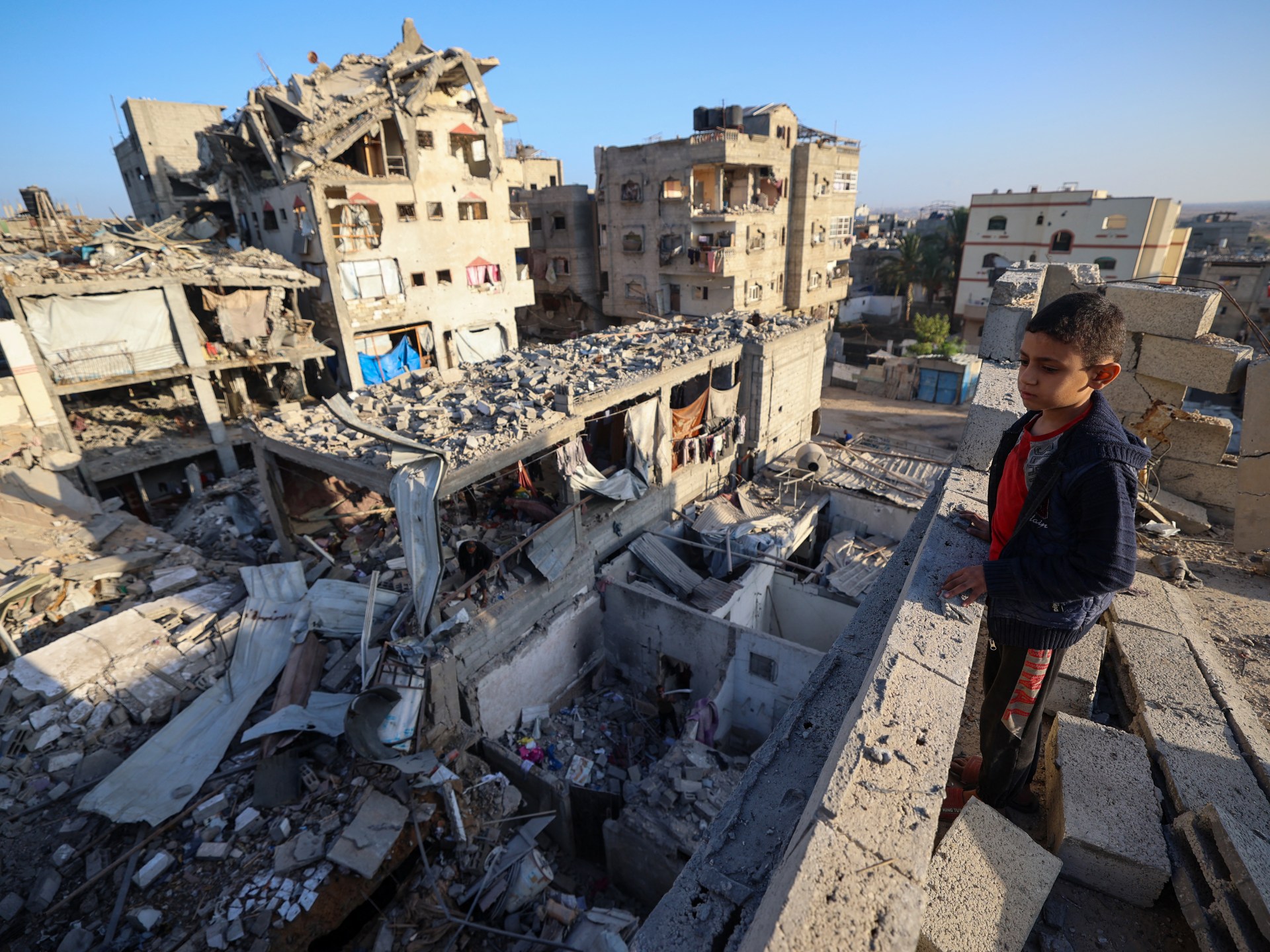
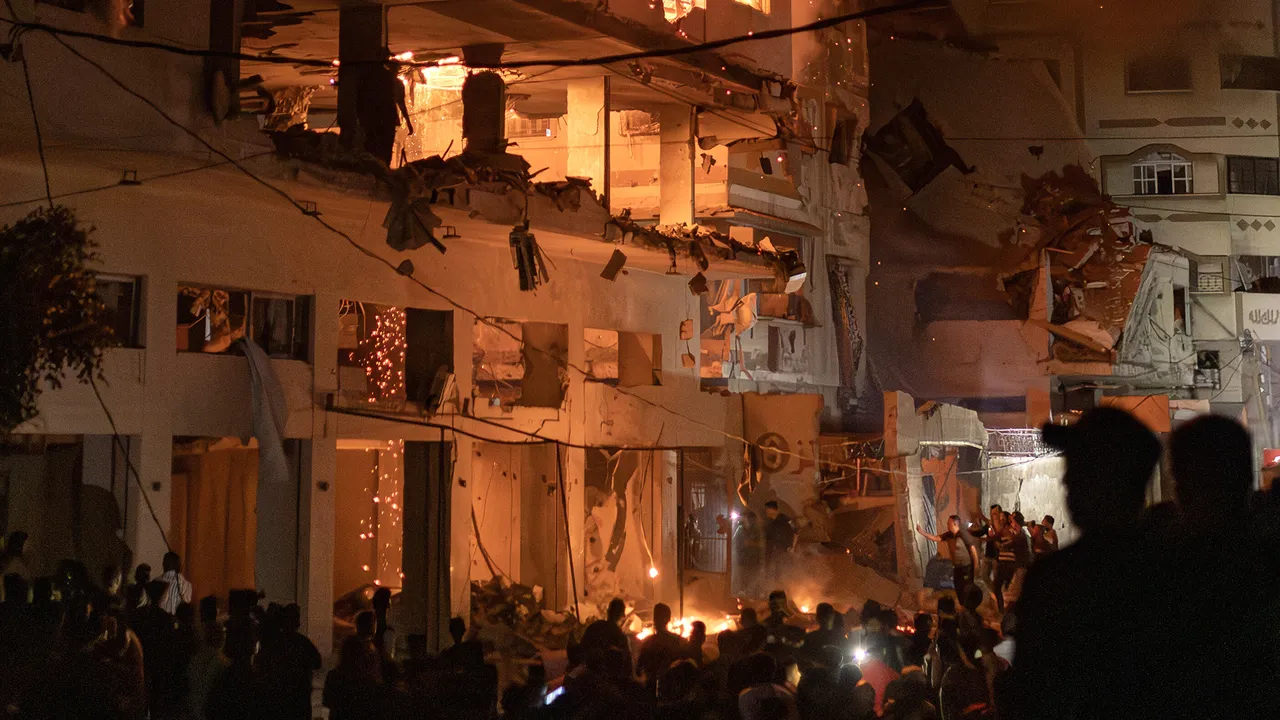
The US-sponsored ceasefire for Gaza was approved by the UN Security Council three months ago, yet the killing has not stopped. Since the truce supposedly began in October, at least 586 Palestinians have been killed and more than 1,000 have been injured. In Gaza, the “peace” looks remarkably like the war that preceded it, with civilians still caught in the crossfire and a humanitarian catastrophe deepening by the day. If Thursday’s Board of Peace meeting is to be anything more than a symbolic gesture, members must work on moving from a sham truce to a genuine cessation of hostilities.
One way to find a solution is to look at previous ceasefires that actually worked. History shows us that a ceasefire is not merely a pause in shooting; it is a technically complex agreement that requires specific pillars to remain standing. The most successful ceasefires share two key ingredients: robust, neutral monitoring with clear, reciprocal obligations and a parallel political process that can give people hope. When those elements are absent, as they are today, the stronger party inevitably dictates the terms on the ground and the agreement collapses at the hands of a powerful occupier that is not genuinely interested in a cessation of violence.