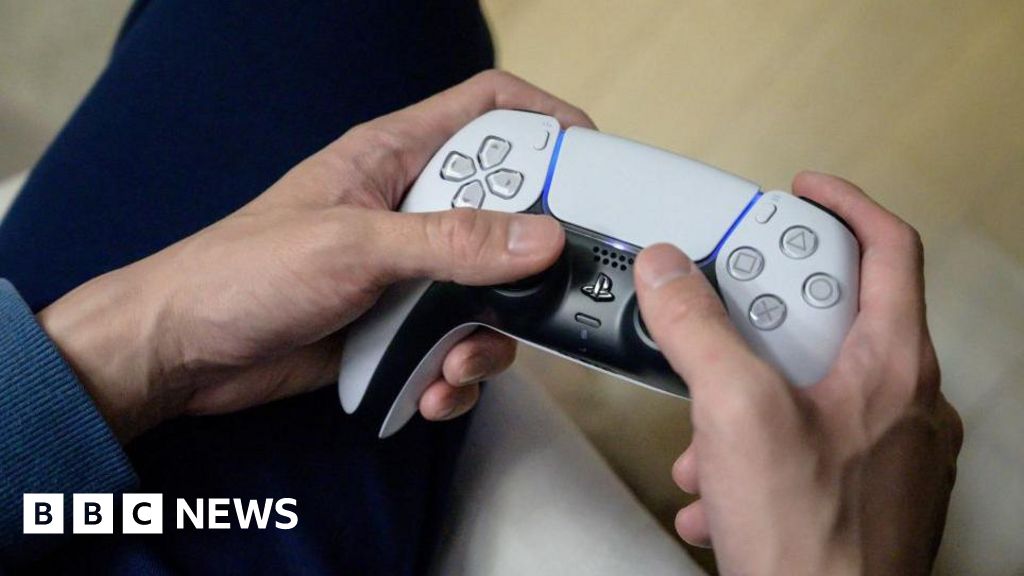
ToplineSony announced another round of price hikes for its PlayStation consoles, raising the price of each edition by at least $100 because of “continued pressures in the global economic landscape,” marking Sony’s second price increase since August.Sony previously raised PlayStation prices in August. (Photo by Tomohiro Ohsumi/Getty Images)Getty ImagesKey FactsSony’s recommended retail price for the standard PlayStation 5 will rise to $649.99 on April 2, the company announced Friday, a $100 increase, while the price of the PS5 Digital Edition will also jump $100 to $599.99.The more expensive PlayStation 5 Pro will jump $150, rising to $899.99 from its previous price of $749.99.The company cited “continued pressures in the global economic landscape” and said the price hikes are “a necessary step to ensure we can continue delivering innovative, high-quality gaming experiences.”Sony previously hiked each PlayStation model price by $50 in August in response to President Donald Trump’s tariffs, meaning each edition is now $150 to $200 more expensive than before the back-to-back price increases.Joost van Dreunen, a New York University Stern School of Business professor who teaches about the business of video games, told Forbes the price hike signals the “economics of console hardware have fundamentally shifted,” citing surging cost of memory chips amid higher demand from AI data centers.“Sony, like every other firm that caters to the US market, is passing the cost increase downstream, and at $650 for a standard PS5, they're testing how much the market will bear,” van Dreunen, who is also CEO of gaming consulting firm Aldora, told Forbes.Why Is Sony Raising Prices Again?Though Sony did not specify a reason beyond “pressures in the global economic landscape,” the cost of RAM, or memory chips crucial to video game hardware, has surged amid a shortage fueled by demand from AI data centers. Polygon, a gaming outlet, reported companies that manufacture memory chips make more money selling them to AI companies rather than selling them to companies for use in consumer goods. The shortage has threatened to raise prices of video game hardware, phones, laptops and other electronics. At an earnings call last month, investors questioned Sony about whether the RAM shortage would force the company to hike console prices, though company executives did not commit either way, admitting the shortage would have a “certain impact on sales of new PS hardware” without answering whether it would impact the launch of the PlayStation 5’s successor. A release date for the next PlayStation console has not been announced, but Bloomberg reported in February the growing memory crisis might force Sony to postpone a release to 2028 or 2029.Why Did Sony Raise Prices Last Year? Sony hiked the prices of each PlayStation model in August after Trump announced his sweeping global tariffs, which put pressure on video game supply chains as most products are manufactured in China and Vietnam. Van Dreunen told Forbes last year the price hike was likely implemented because “tariffs and inflation are forcing hardware makers to adjust.” During an earnings call in May, Sony’s CFO Lin Tao said Trump’s tariffs would make hardware manufacturing more expensive, warning it may necessitate price increases on consumer goods. Key BackgroundGaming has become more expensive over the past year, as other companies have also hiked prices in response to tariffs, the RAM shortage and other economic challenges. Microsoft hiked the prices of its Xbox consoles in May, and then again in September, citing “changes in the macroeconomic environment.” Nintendo also launched the Switch 2 console last year at a price of $450, which some analysts believed was high considering the original model sold for $300 at launch in 2017. Further ReadingSony Hikes PlayStation Console Prices By $50 Amid Trump Tariffs (Forbes)The RAM crisis could completely change the way your games are made (Polygon)
Sony Raises PlayStation Prices By $100 Or More—Second Increase In Months
Sony cited “continued pressures in the global economic landscape” for its PlayStation price hikes, which come just seven months after the last time Sony raised prices.
624 words~3 min read