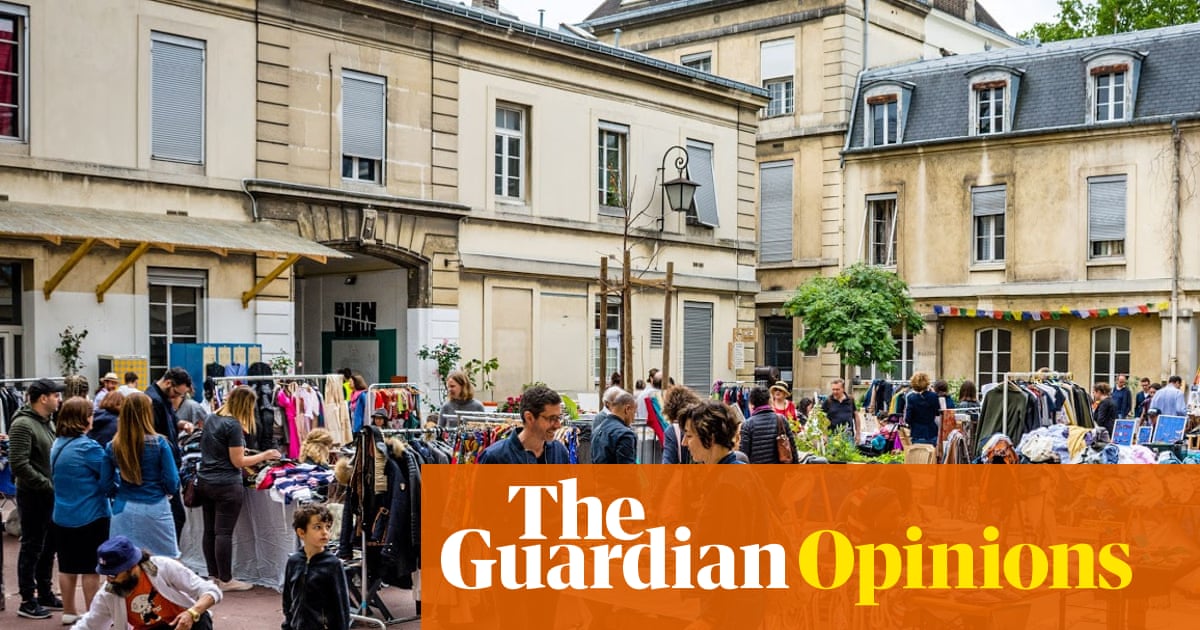
Drop into any of the French capital’s ‘third places’ and you’ll find food, culture, community – and an antidote to the disaffection extremists feed on
P
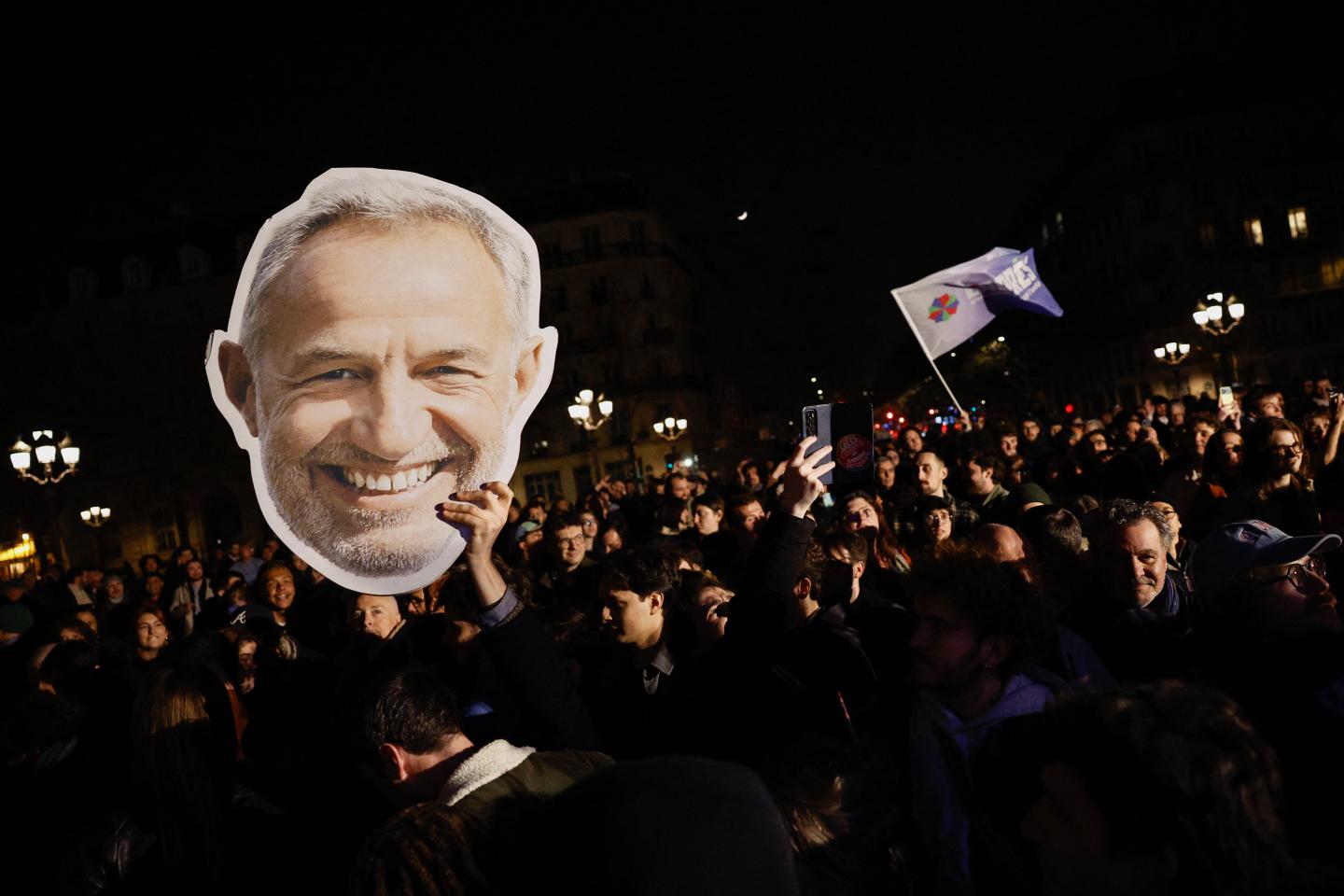
aris’s success in removing cars from its streets has been more widely praised than its progress in opening up mixed-use spaces. But the city’s enthusiasm for bringing what urbanists call “third places” to life is exactly why I found myself, just hours after voting in the first round of Paris’s municipal elections, dancing in telecoms company Orange’s former offices in Ménilmontant, the “seventh-coolest neighbourhood in the world”..
The building currently housing Print, a new pop-up, offers a breathtaking view of the Eiffel Tower, poised against the sunset – and, for now at least, it is an ephemeral temple to Millennial culture. It’s a five-storey space hosting photography exhibits, a coffee shop, sourdough pizza, two bars, a red-lit and mirror-adorned dance area and a sunset terrace. As well as pizza and fancy coffee, you can buy hoodies and art and design books – but most importantly, Print contains plenty of space where you can just be, without needing to spend a single euro.
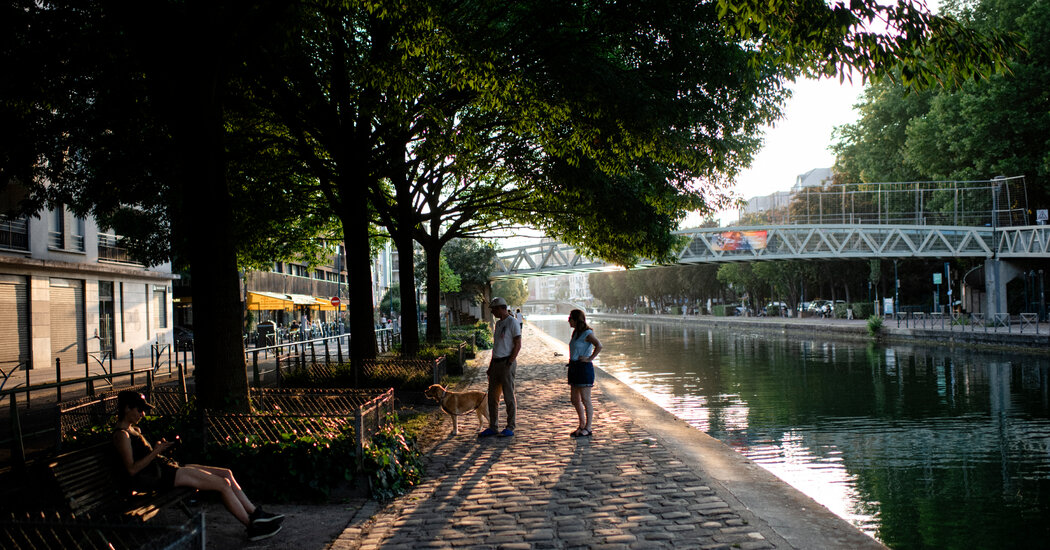
That accessibility is, of course, the most important part of a tiers-lieu, or third place. Libraries, youth centres, arts centres, public swimming pools and gymnasiums certainly fit the bill, as do some bars, pubs and cafes – commercial in nature, but with a secondary duty for local communities as a type of public living room. These are places where lingering is encouraged, rather than chased away. At the risk of blaring the obvious, the critical role these spaces play is in facilitating encounters among people who live near each other. The antithesis, if you will, of “Netflix and chill” and ordering in.