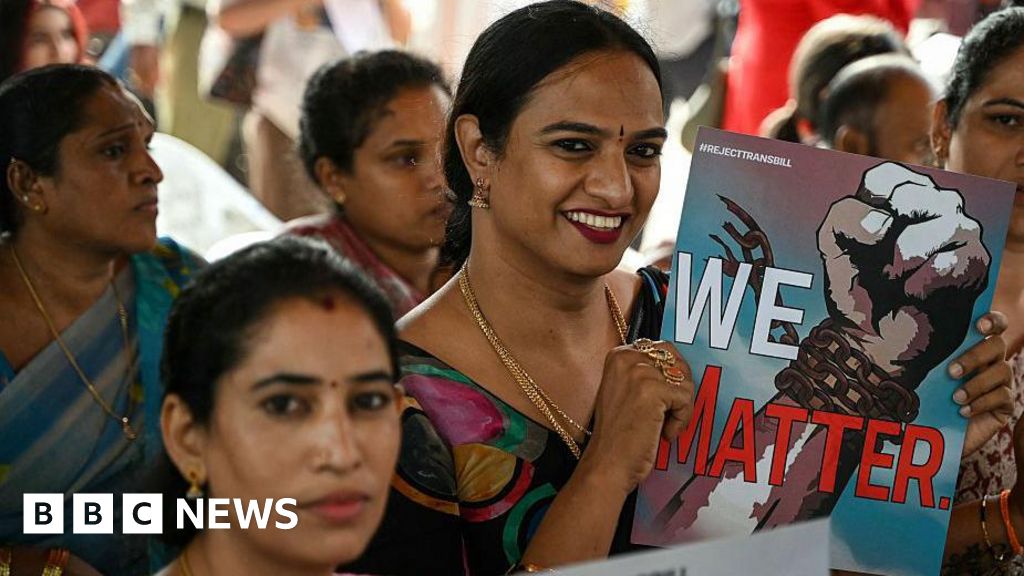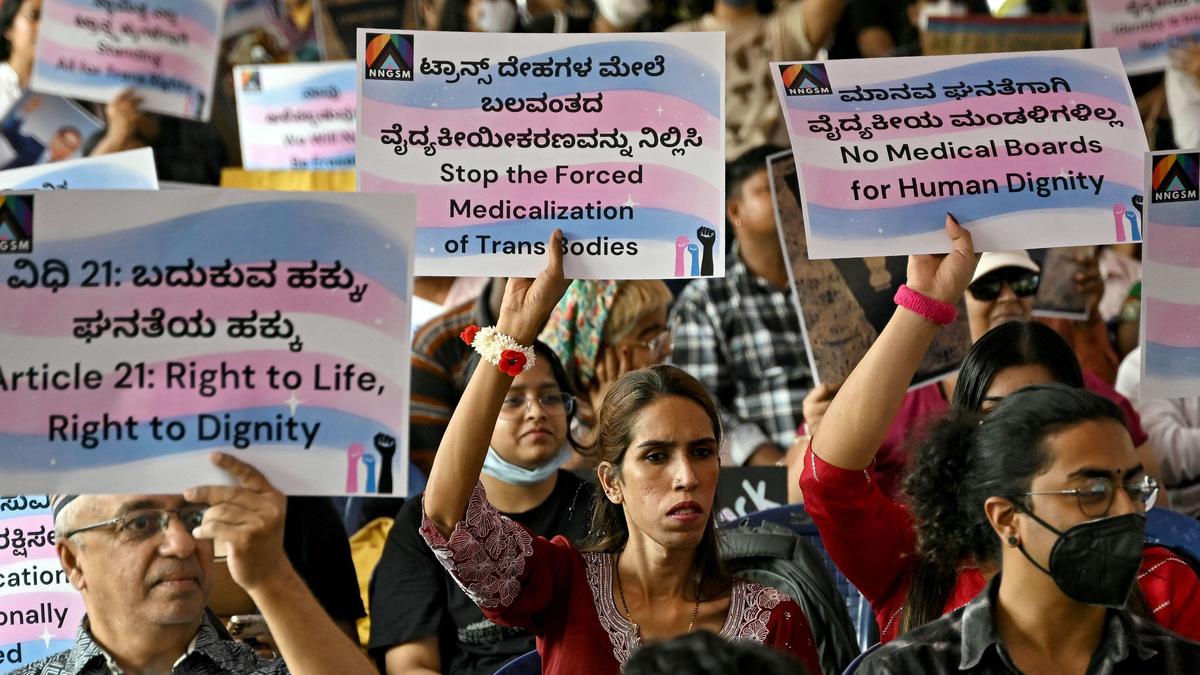
Christy Raj, a Bengaluru-based trans rights activist, says he was glued to the screen on the March 24 and 25.“I barely moved, as if an IPL match was on. Except that this time, it was the Parliament debates on the Trans Bill 2026 on the screen,” he says.The Transgender Persons (Protection of Rights) Amendment Bill, which limits the definition of “transgender person” to socio-cultural identities and intersex variations at birth and deprives gender minorities of the right to self-declare their identities, has triggered uproar, caused severe anxiety for the community and poses a huge question mark over their identities.Much to the dread of many like Raj, Parliament passed the Bill on March 25, 2026, in a huge setback to decades of struggle. When a proposed law itself risks invalidating the dignity and erasing sections of the community, they ask, what justice remains for an already marginalised, stigmatised and deeply persecuted group.Karnataka scenarioAccording to the 2011 Census, Karnataka is home to 20,266 transgender persons. Even this figure is widely acknowledged as a significant undercount. Yet, based on these numbers alone, Karnataka ranks among the States with the highest proportion of transgender persons relative to its population. This also means that the impact of the Bill is likely to be pronounced in States like Karnataka.The trans-legal battle in India has been a long-drawn one, with the law often taking gingerly, slow and reactive steps to recognise the rights of the gender minorities.Karnataka has played a significant role in shaping India’s gender minorities rights movement, with activists, lawyers and community groups laying the groundwork, building public opinion and contributing to some of the key legal milestones.For example, Sangama was one of the earliest organisations to document instances of violence and police brutality against gender minorities.In 2004, Kokila, an individual belonging to hijra community, was gang-raped by a group of men in Bengaluru. When she went to the police station seeking help, she was reportedly detained, abused and sexually assaulted again by police personnel. What this exposed was the social as well as institutional violence inflicted upon transgender communities.Kokila, in 2006, filed an affidavit as part of the Delhi High Court proceedings in the Naz Foundation Vs. Government of NCT of Delhi which challenged Section 377 of the IPC. As the case moved to Supreme Court, Kokila’s affidavit became part of the larger body of material and arguments used to build the case in the apex court.“In 2008, we held a huge rally in Bengaluru against Section 377, in which around 2,000 people participated. Then there was no looking back,” recalls Manohar Elavarthi, who founded Sangama in 1999.Akkai Padmashali, who initially worked with Sangama and later founded Ondede, emerged as an important figure from the community in the organised fight for transgender rights during the same period. Petitions filed by Padmashali, among other petitions, became crucial in the reading down of Section 377.
Rolling back rights: Karnataka’s gender minority communities question Trans Bill 2026
Karnataka's gender minority communities criticise the Trans Bill 2026, viewing it as a rollback of hard-won rights.
2,072 words~9 min read