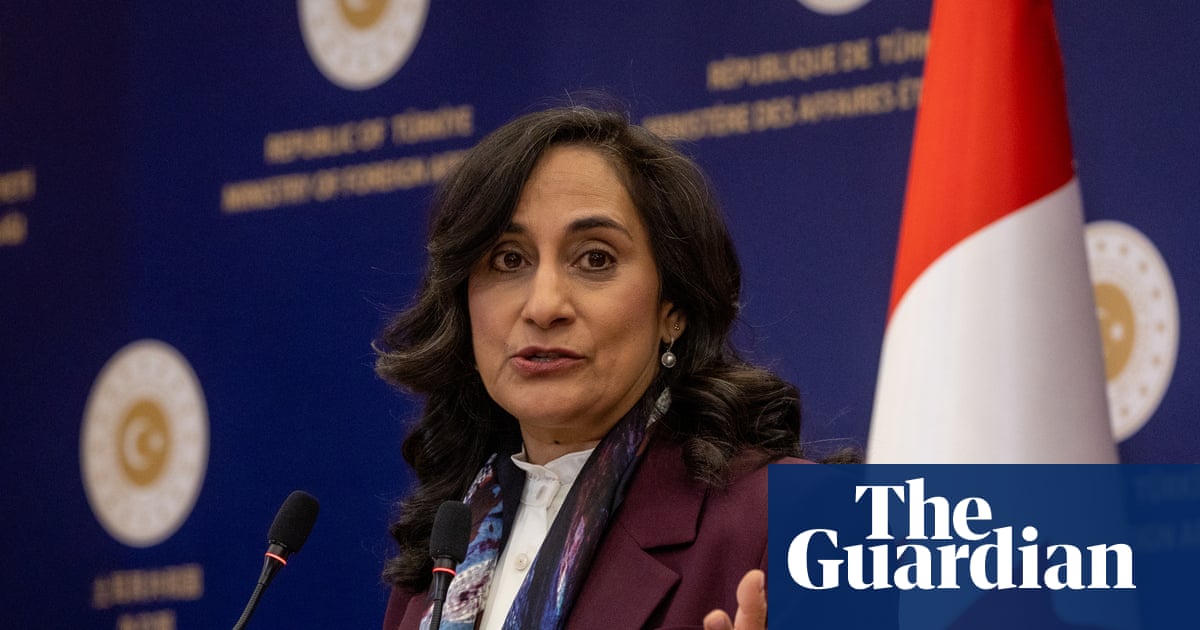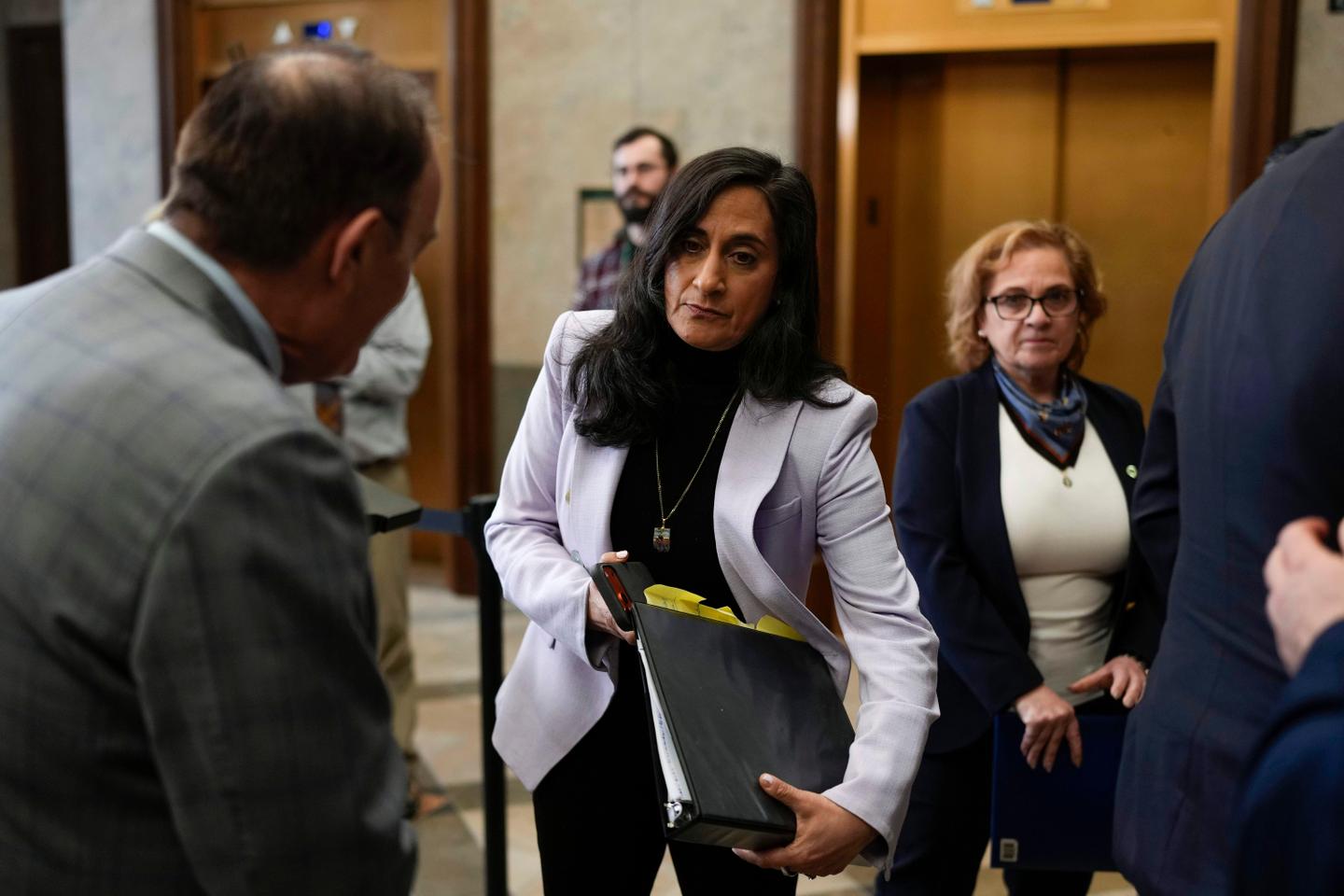
Canadian Foreign Minister Anita Anand, after announcing federal aid for countries affected by the war in the Middle East, in the lobby of the House of Commons on Parliament Hill in Ottawa, March 12, 2026. JUSTIN TANG/THE CANADIAN PRESS VIA AP
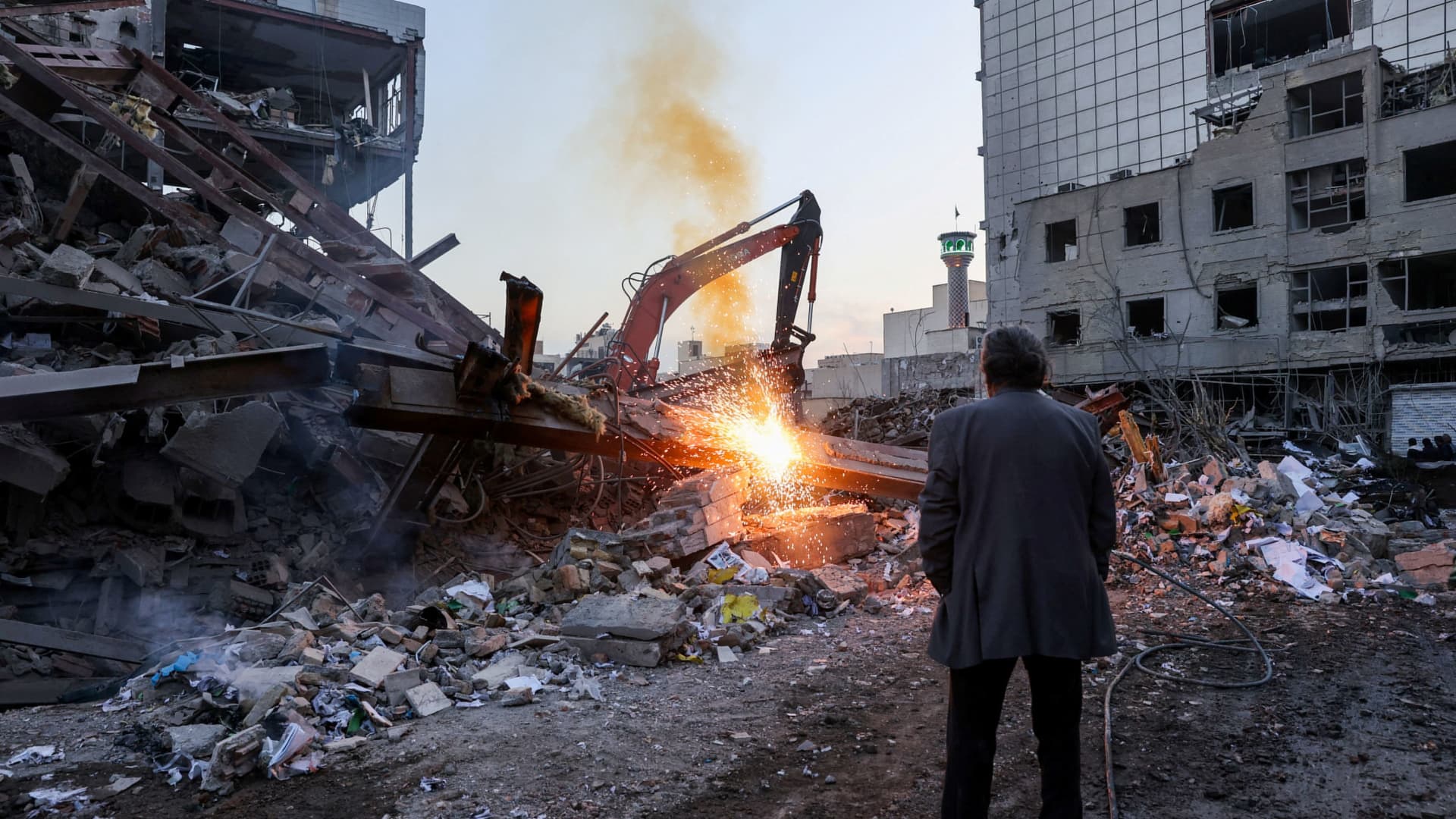
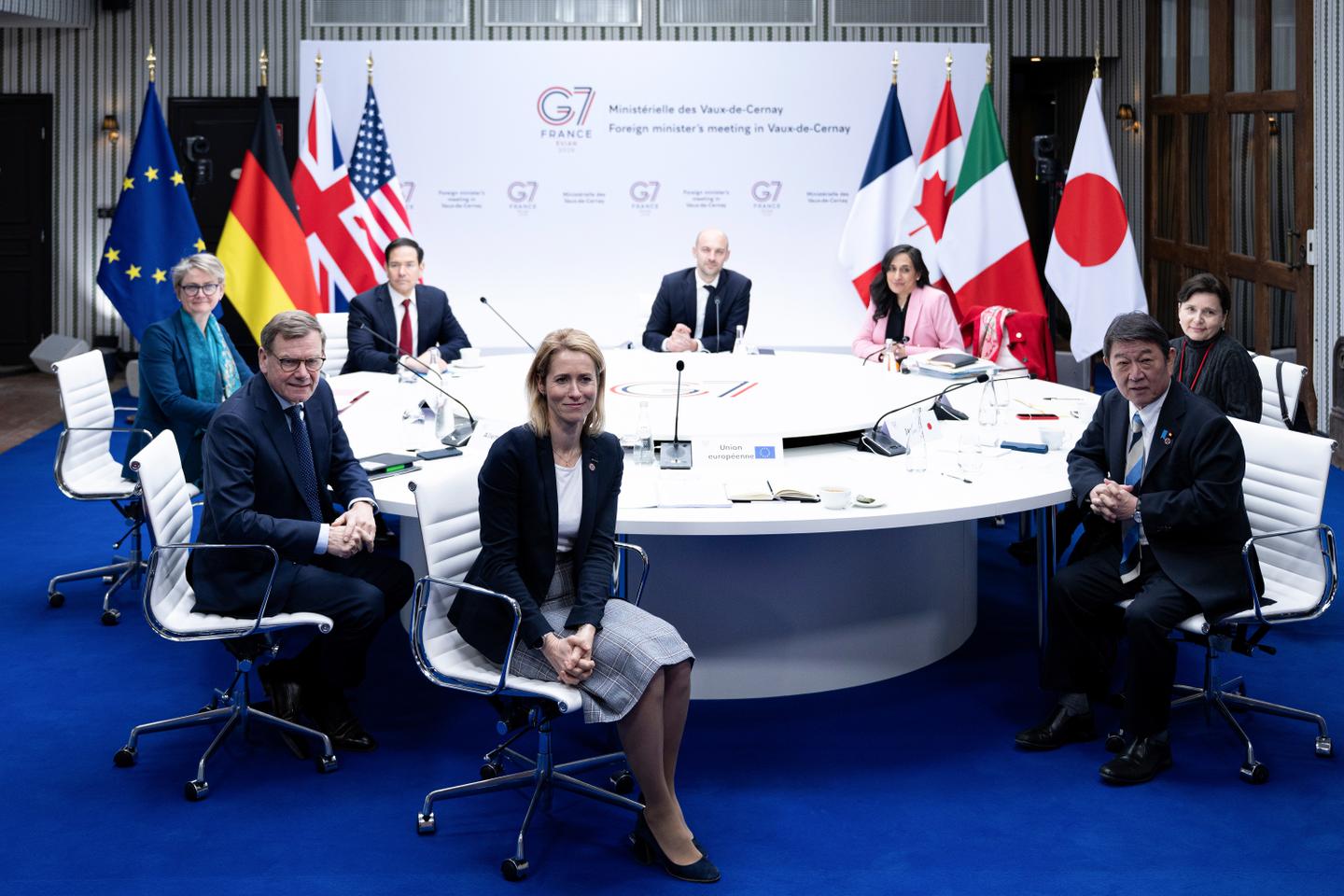
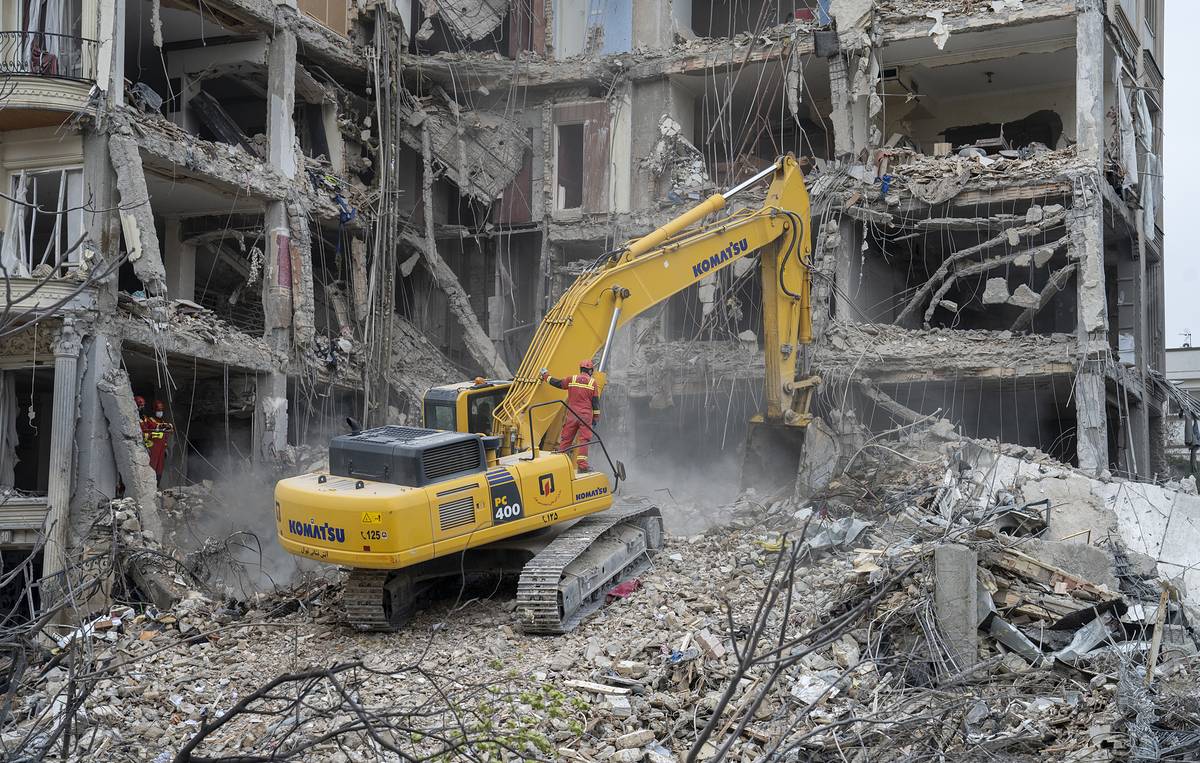
On the eve of the foreign ministers' summit of the G7 countries (Canada, France, Germany, Italy, Japan, the United Kingdom and the United States), which started on Thursday, March 26 and continues on Friday, March 27, at the Abbaye des Vaux-de-Cernay outside Paris, Anita Anand was remaining cautious. Having just arrived in France, the Canadian foreign minister said in an interview with Le Monde that she did not dare believe that the conflict in Iran, triggered on February 28 by the US and Israel, could find a diplomatic solution in the short term. Ottawa, like France, has called for "de-escalation" and for the "protection of civilian lives" in a war that has engulfed the Middle East. But, like most of her G7 counterparts, she said that she is still waiting for clarification on the indirect negotiations the Americans claimed to have started.
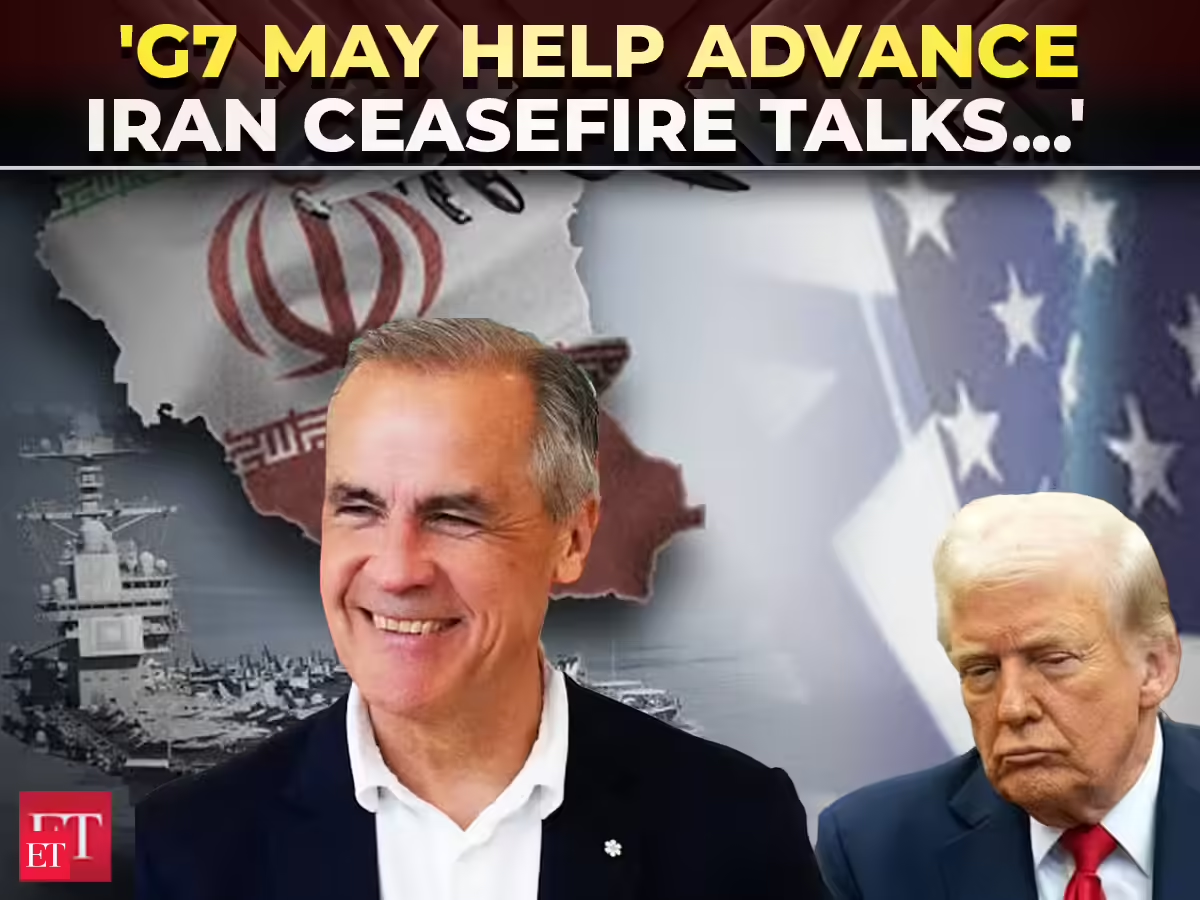
Donald Trump welcomed having presented – through Pakistan – the Iranian officials with a 15-point plan setting the conditions for a ceasefire. The approach echoed methods already used by the US administration to reach, with mixed results, peace in Gaza or in Ukraine. The details of this roadmap were not made public. But according to leaks in the press, the US demanded that Iran hand over to the International Atomic Energy Agency (IAEA) its stockpile of 440 kilograms of highly enriched uranium, enough to make 10 nuclear bombs; allow the IAEA to monitor its nuclear sites; cease funding proxy groups such as Hezbollah or Hamas; and limit its ballistic capabilities in terms of both number and range. In exchange, Iran would obtain the lifting of sanctions that have crippled its economy.