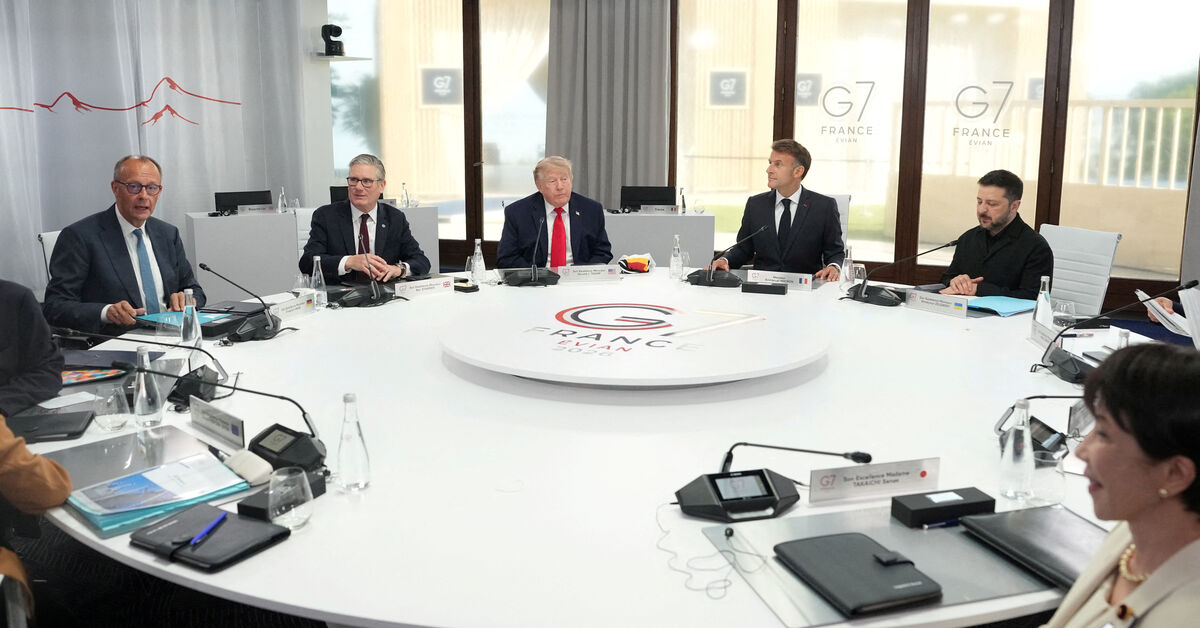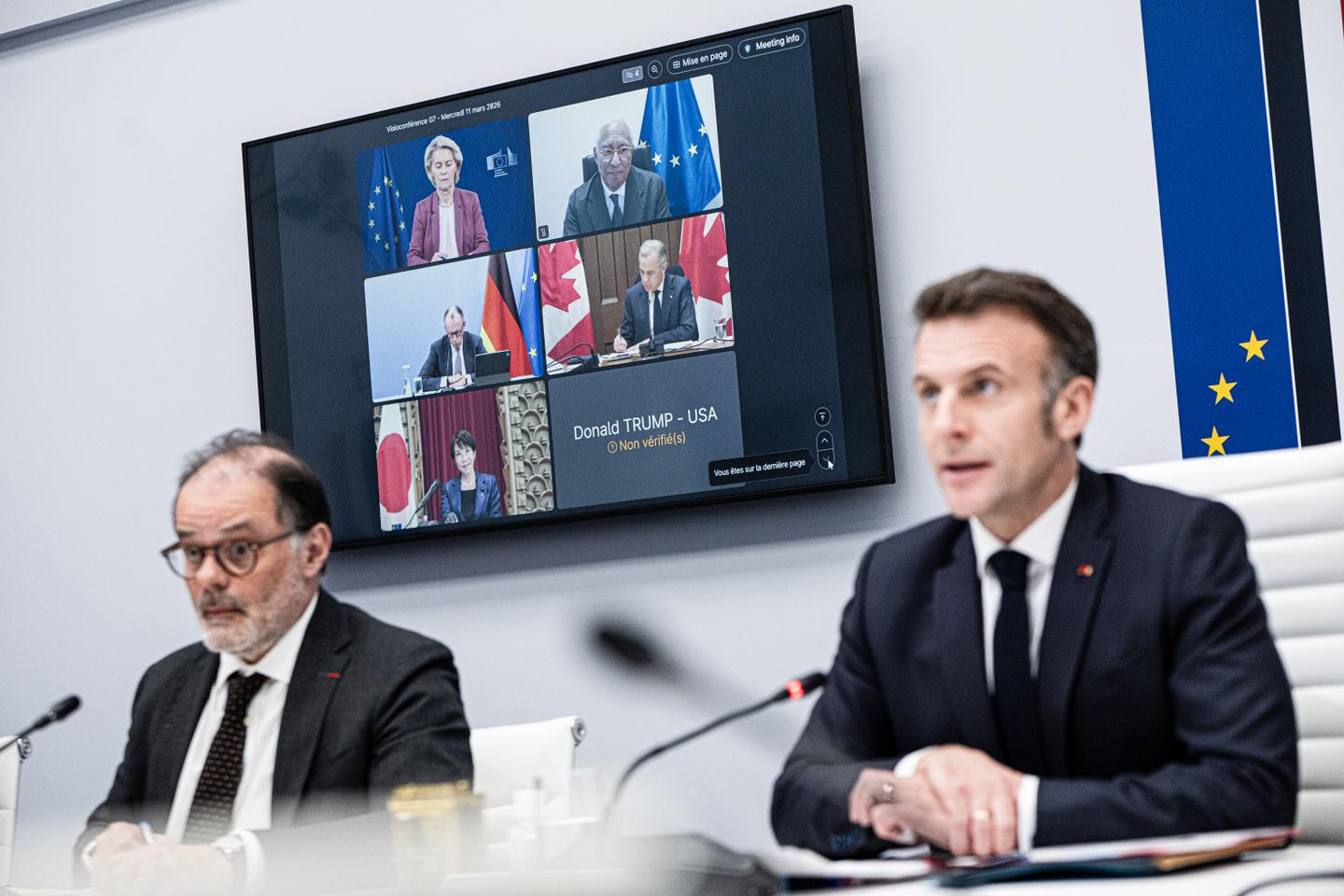
During a G7 meeting, held via videoconference from the Elysée Palace in Paris, on March 11, 2026, the focus was on the economic consequences of the war in the Middle East. JULIEN MUGUET FOR LE MONDE
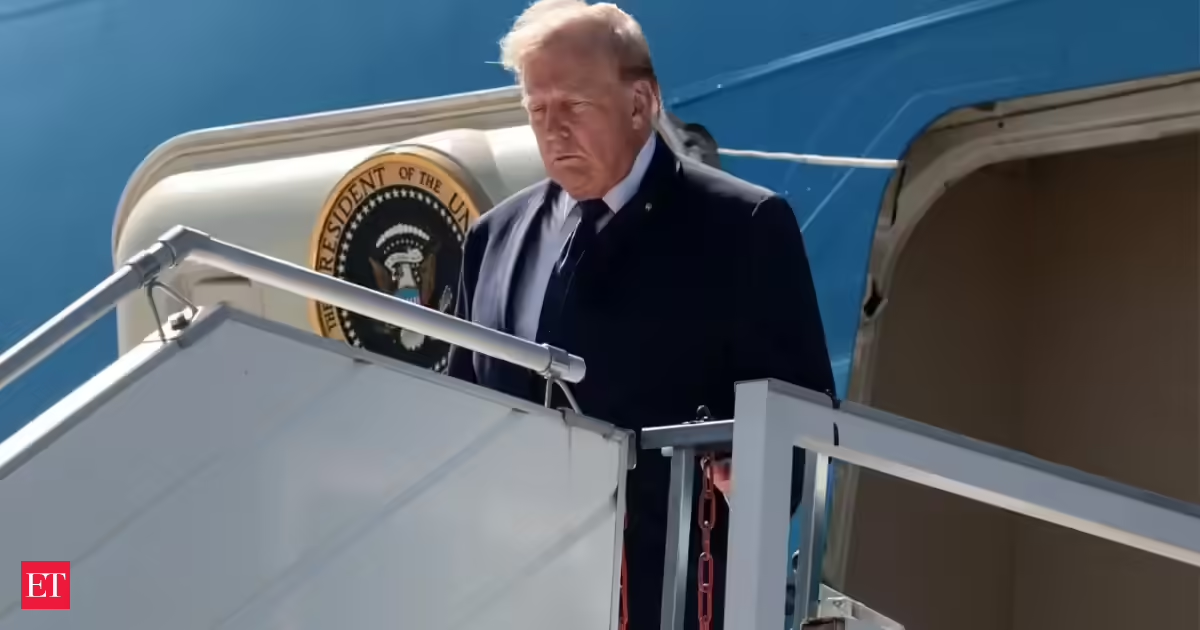
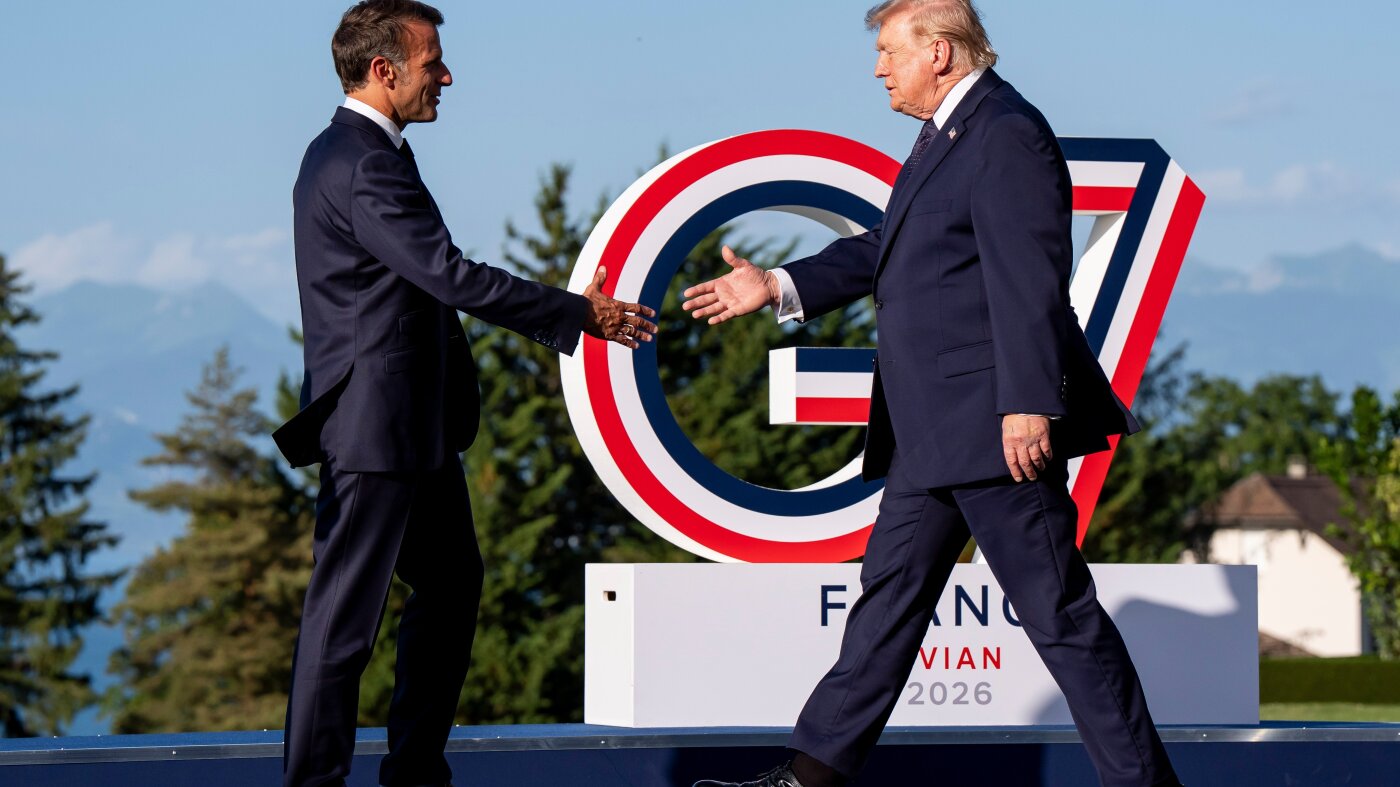
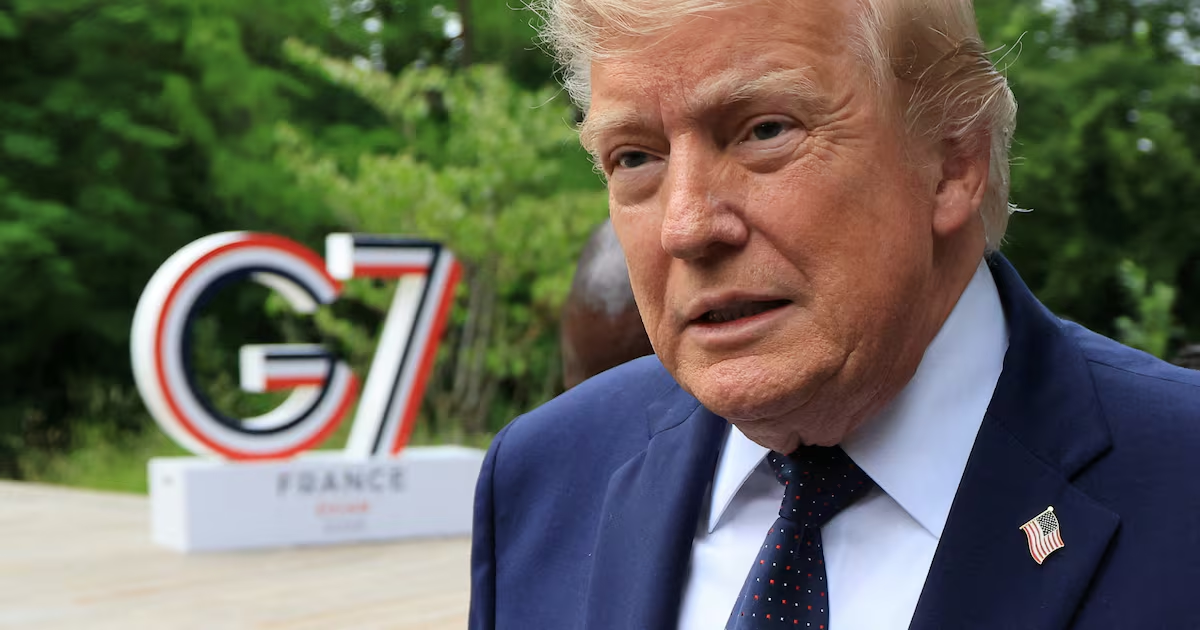
Donald Trump usually shows disdain for G7 meetings, the club of major, mostly Western powers (the United States, Canada, France, Germany, the United Kingdom, Italy, Japan). He avoids these summits, which he considers pointless and boring, where every comma in a joint statement is subject to intense negotiation. He has insulted his hosts, as in 2018 when he called Canadian Prime Minister Justin Trudeau "dishonest and weak," or left abruptly, as he did in June 2025 during an Israeli offensive against Iran, stating he had more important matters to attend to in Washington.
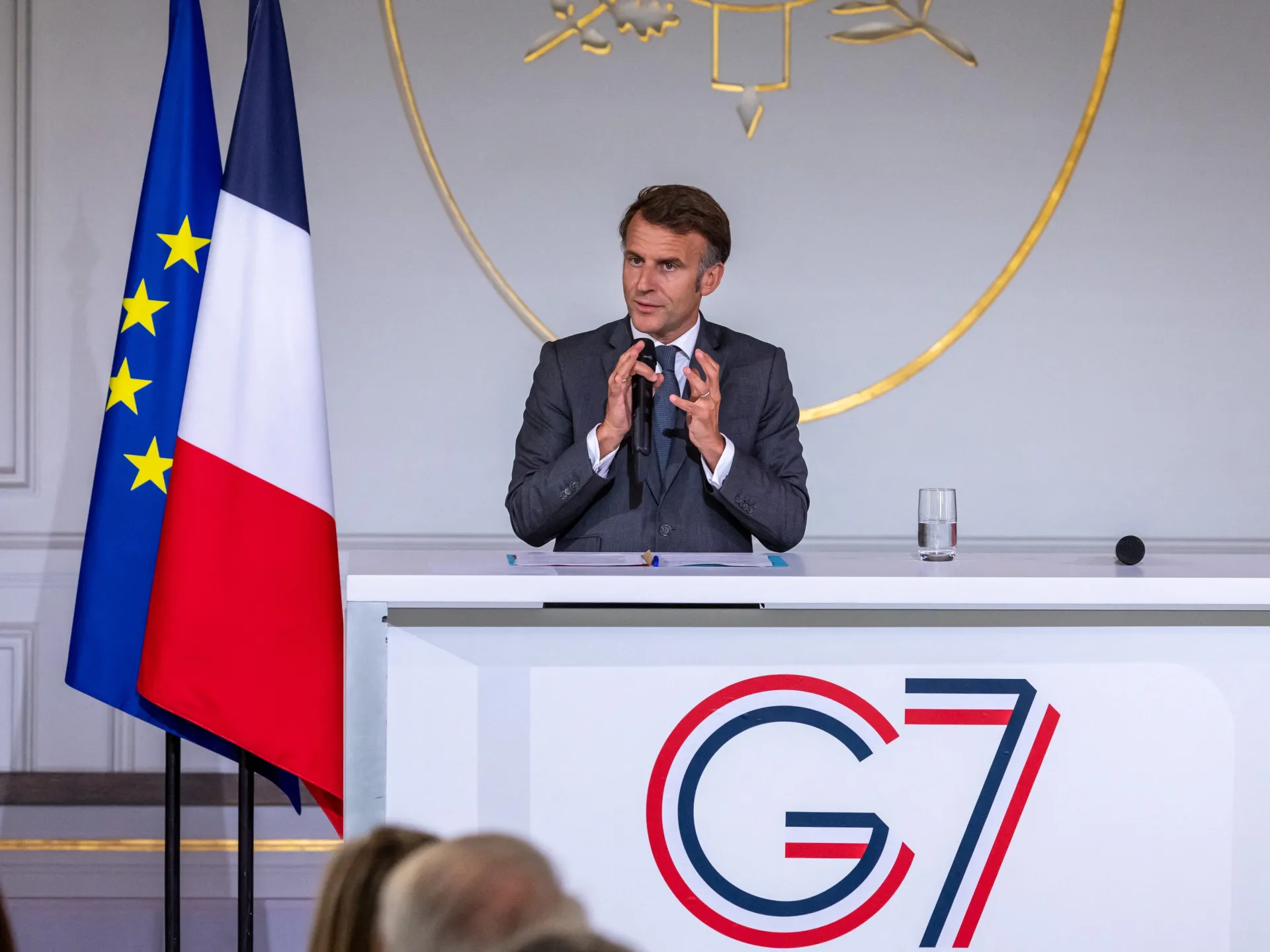
Yet, on Wednesday, March 11, the American president emerged delighted from the G7 meeting, which was held via videoconference at the initiative of French President Emmanuel Macron, who holds the G7 presidency this year. "I think we are having a tremendous impact, unbelievable actually, on the world," marveled Trump.
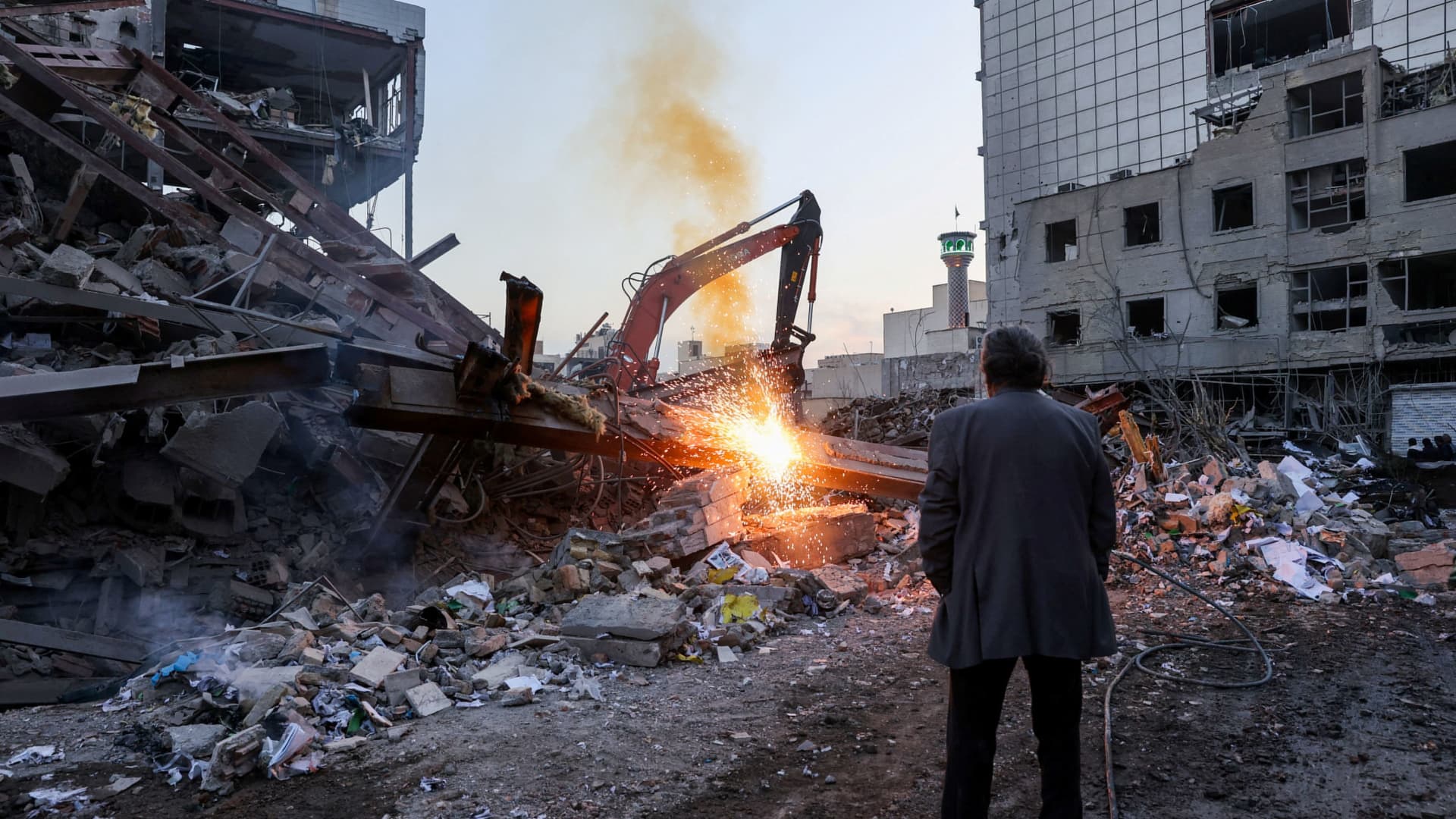
In reality, the G7 members failed to produce a joint statement. Just minutes before their meeting, the International Energy Agency (IEA) and its 32 member states announced the release of 400 million barrels of oil from strategic reserves. The decision, prepared within the framework of the G7, together with Trump's assurances the previous day that the war in Iran waged with Israel since February 28 would end "soon," might have helped bring down global oil prices. But that was not the case: On Thursday morning, the price of a barrel of Brent crude rose above $100 again.