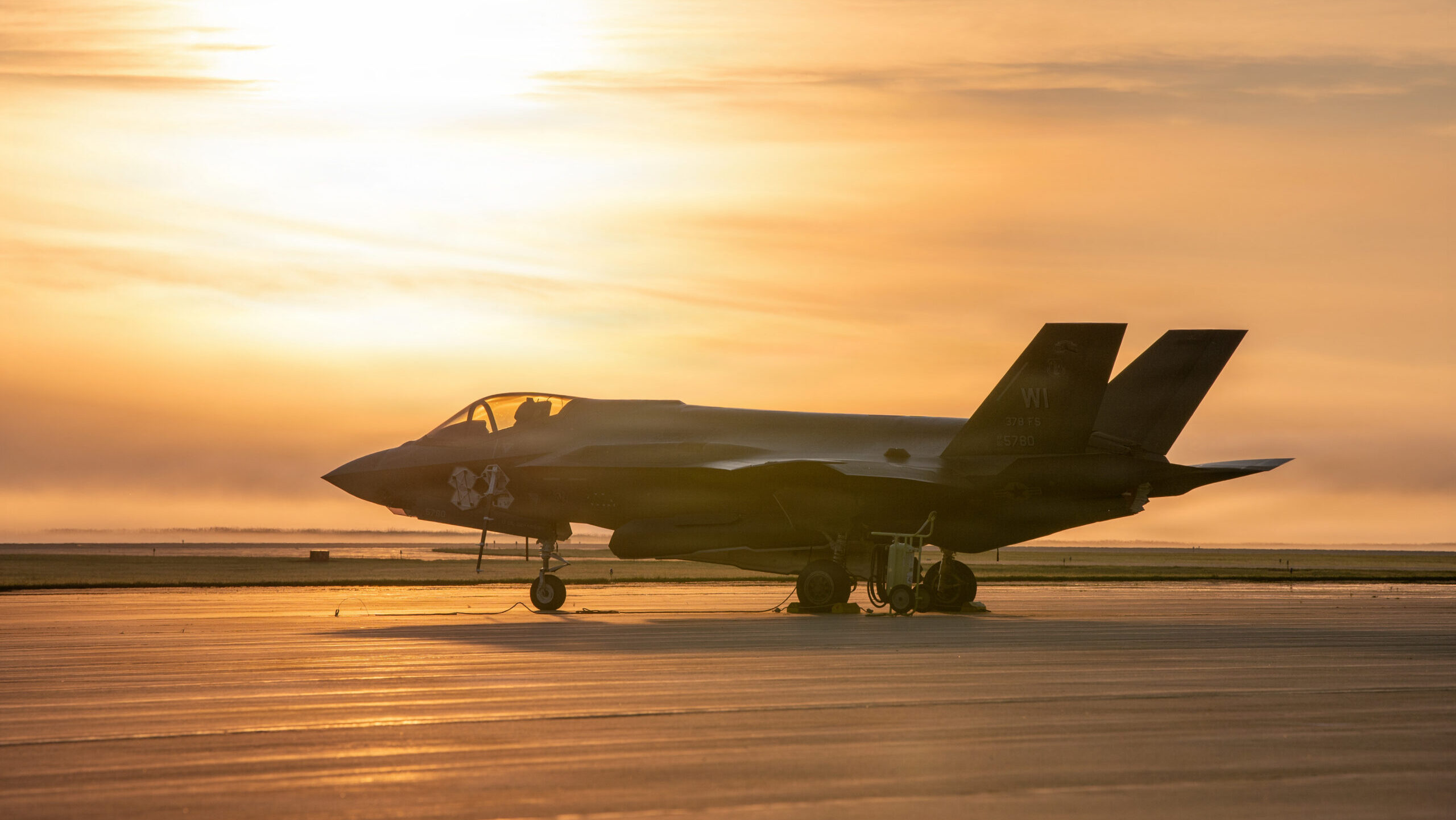
Air superiority is supposed to deliver a quick triumph. But history has shown that promise to be written on the wind
Middle East crisis – live updates
To explore the roots of Donald Trump’s Iran military strategy and the pugilistic rhetoric of his defense secretary, Pete Hegseth, means looking back 105 years. In 1921, a year before Benito Mussolini and his blackshirts marched on Rome to launch the Fascist era, an Italian general named Giulio Douhet published The Command of the Air, proposing a revolution in warfare.
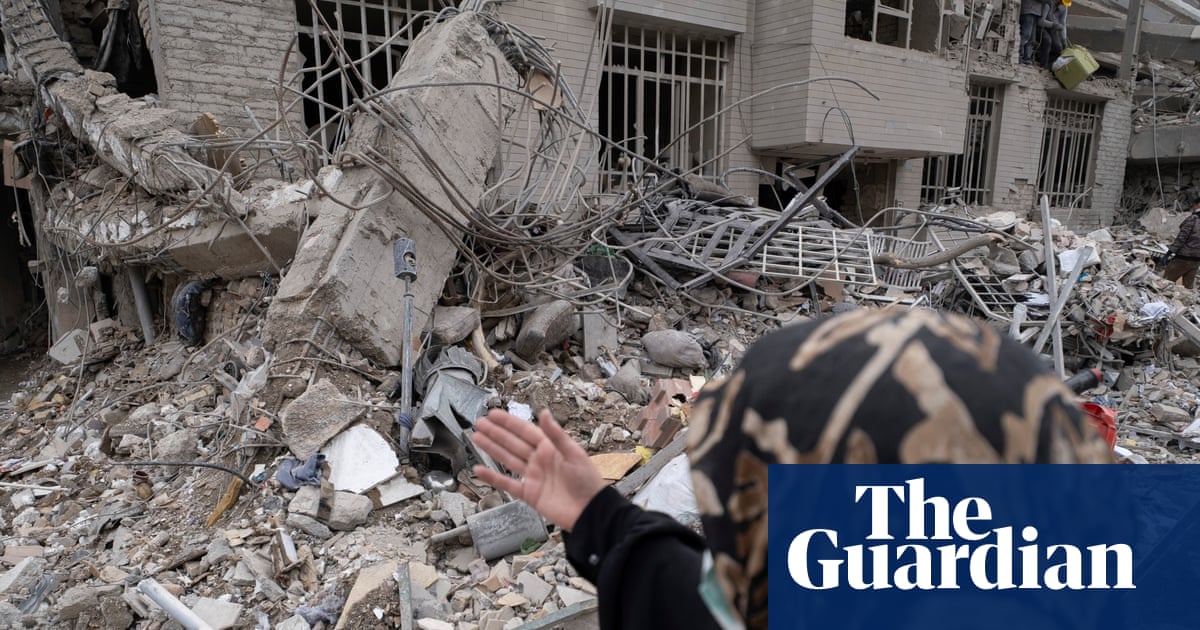
Victory in the future, he said, would no longer come from the grinding trench combat of the Great War. Instead it meant large-scale aerial bombardments, targeting not just combatants but civilians and civilian infrastructure and logistics.
“[It] is much more important to destroy a railroad station, a bakery, a war plant, or to machine-gun a supply column, moving trains, or any other behind-the-lines objective, than to strafe or bomb a trench.”