As Israelis grow weary of sheltering from missile attacks, their prime minister is using the war to distract from the Palestinian issue
A
n opinion poll conducted in Israeli two weeks into its war on Iran, prosecuted together with the US, demonstrated what looked like euphoria: surveys by thinktanks such as the Israel Democracy Institute and the Institute for National Security Studies (INSS) show that nearly 80% of the public supported the war. Among Israel’s Jewish population that figure rose to 91%.
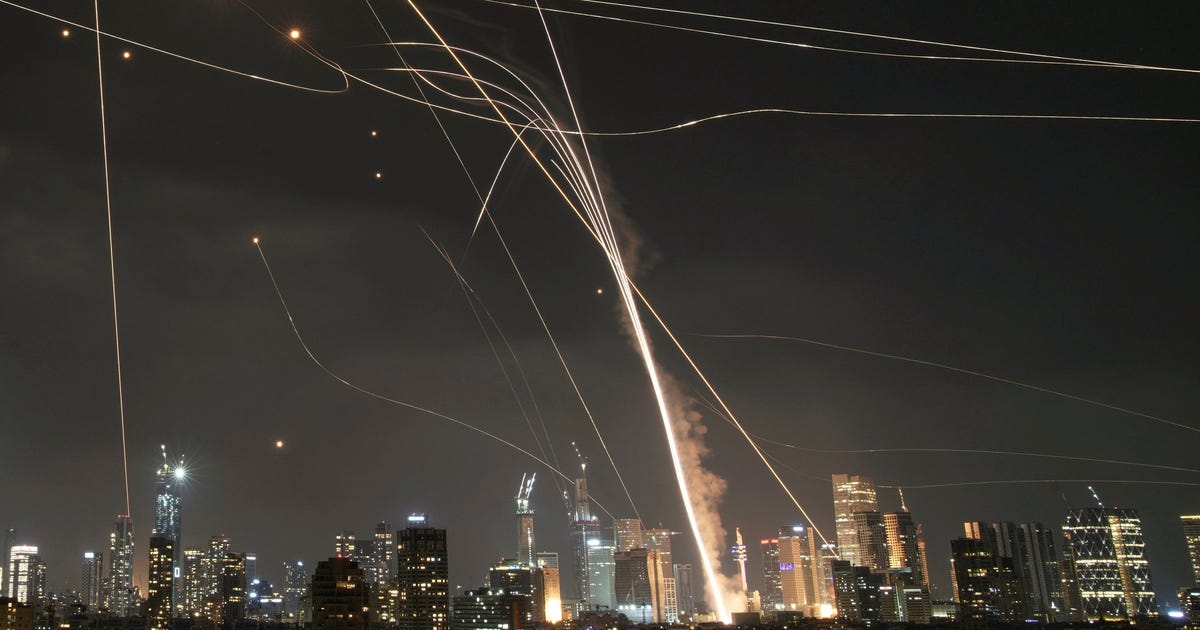
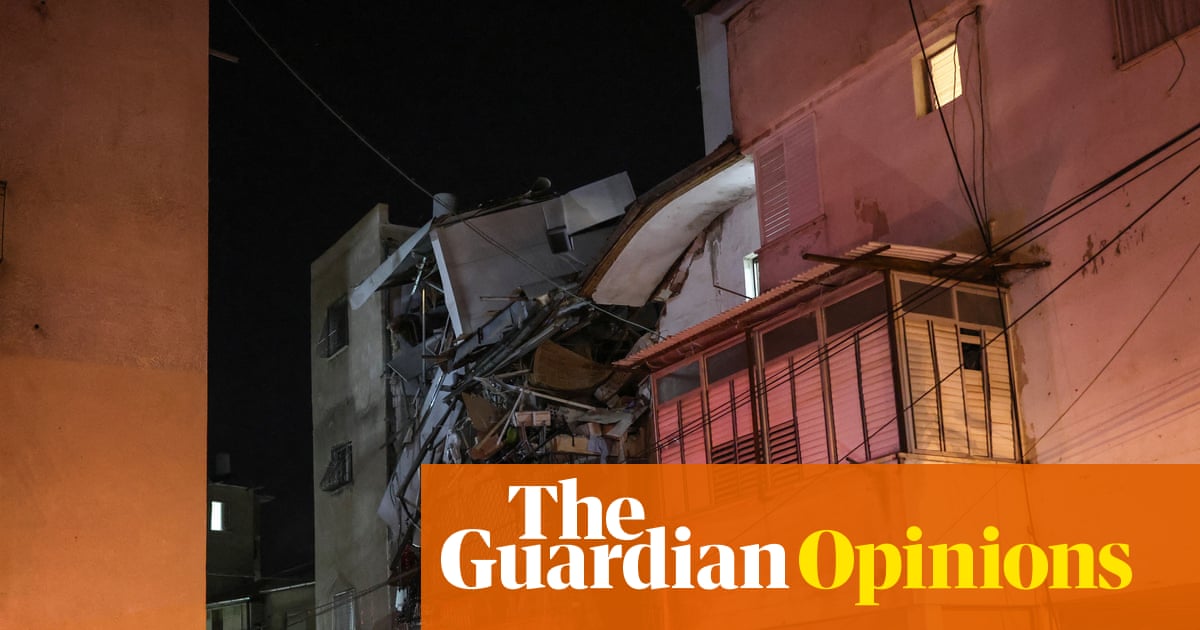
The true picture is more complicated. The INSS also found that among Arab citizens, who are predominantly Palestinian and make up about 20% of the Israeli population, about two-thirds were opposed to the war. And reality is always more complex than polling figures: from Tel Aviv, I can see that the Jewish Israelis driving the sweeping support are simultaneously exhausted after what is now more than three weeks of running from missile attacks day and night, and by the economic, social and physical damage of the war.
There is also uncertainty about which war aims are realistic. In the first week, an INSS survey found that 22% of all Israelis thought the war would “completely collapse” the regime – in the second week, just half that number (the rest believed the war would cause moderate or low damage to the regime).